- An Indian Air Force (IAF) military transport aircraft met with a severe accident on Saturday morning while attempting to land at a vital military installation in the country’s remote northeastern region.
- The twin-engine, Russian-designed Antonov An-32 crashed at the air force station in Jorhat, a prominent city in Assam state, leaving the fuselage shattered and sending thick columns of black smoke into the atmosphere.
- While defense authorities have kept details regarding passenger manifest and casualties confidential, a high-powered military court of inquiry has been immediately constituted to uncover the technical or environmental cause of the crash.
The Indian Air Force has launched a full-scale investigation following the catastrophic crash of one of its mainstay tactical transport aircraft in the country’s northeastern corridor on Saturday, June 13, 2026.
Eko Hot Blog reports that the incident occurred during a routine deployment when an Antonov An-32 turboprop plane encountered severe complications while attempting to touch down at the Jorhat Air Force Station in the state of Assam.
EDITOR’S PICK
- Hamzat Appoints Obanikoro as Campaign DG Ahead of 2027 Lagos Governorship Race
- Tinubu’s State Police Plan Gains Momentum as Amendment Looms
- Residents Raise Alarm After Two Bodies Found in Lagos Waterway
According to an official press release issued by the Indian military command shortly after the incident, the aircraft met with a major landing accident on the tarmac, triggering an immediate emergency response from base firefighting crews and rescue personnel.
Live broadcasts from local news networks, including New Delhi Television (NDTV), captured grim scenes from the perimeter of the airbase, showcasing the impact site where the transport plane appeared to have broken completely into pieces upon impact.
Huge plumes of dense black smoke billowed from the wreckage as emergency responders worked to secure the airfield.
Despite the visible destruction, the defense ministry’s initial statements have remained highly guarded, offering no immediate details regarding the exact number of crew members or passengers on board, nor confirming any casualties.
Military officials stressed that their immediate priority remains localized containment and securing the flight data recorders.
The Antonov An-32 is a specialized twin-engine turboprop vehicle, engineered specifically by Soviet-era designers to maintain high performance in rugged terrain, extreme temperatures, and high-altitude mountain environments.
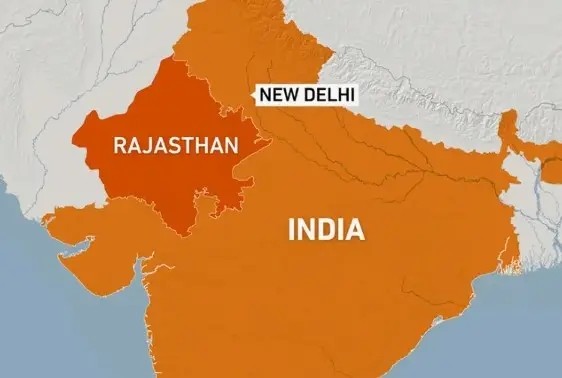
The Indian Air Force maintains an active fleet of approximately 100 of these rugged workhorses, utilizing them extensively to transport heavy military hardware, ferry troops, and deliver crucial civilian humanitarian aid to the country’s most isolated mountainous outposts along international borders.
Because these planes are routinely pushed to their operational limits in highly volatile weather corridors, they have faced a series of maintenance and structural scrutiny over the last decade.
The weekend disaster has immediately revived dark memories of the air force’s last major catastrophe involving this specific aircraft model.
In 2019, an IAF Antonov An-32 vanished from radar screens shortly after taking off from this identical Jorhat airbase before its wreckage was discovered days later in the mountainous forests of Arunachal Pradesh state near the disputed border with China, an accident that claimed the lives of all 13 personnel on board.
With the structural integrity of the aging fleet back under the microscope, the newly formed military court of inquiry faces intense pressure to rapidly determine whether today’s landing failure was caused by sudden mechanical breakdown, structural fatigue, or severe visibility issues common to the northeastern monsoon patterns.