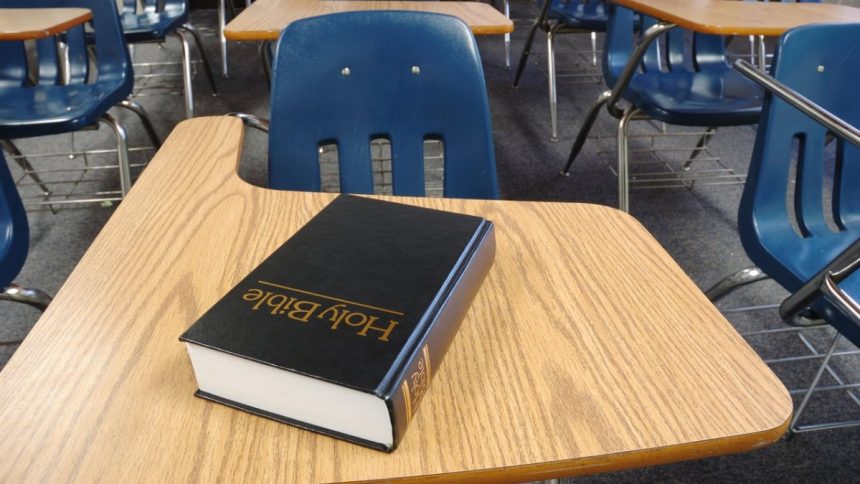
- In a definitive 9-4 party-line vote, the Republican-led Texas State Board of Education has established a mandatory statewide reading list that forces the integration of Christian Bible stories into the public education curriculum for over 5 million students.
- Scheduled to officially launch in the 2030-2031 academic year, the guidelines require elementary pupils to read stories like David and Goliath from picture books, fourth-graders to study New Testament accounts of Jesus, and high schoolers to pair the Book of Job with classic secular literature.
- Alongside the reading mandates, the board approved a major restructuring of K-8 social studies lessons that narrows focus to U.S. and Texas history, draws explicit parallels between biblical narratives and historical movements, and scales back world cultures and diverse history standards.
The Texas State Board of Education has officially approved a new mandatory reading list that incorporates Bible stories and Christian teachings into the curriculum for more than 5 million public school students.
Eko Hot Blog reports that the decision, passed by a 9-4 vote along party lines by the Republican-controlled board, represents a significant victory for conservative groups aiming to increase the role of religion in American public classrooms.
EDITOR’S PICK
- Hamzat Appoints Obanikoro as Campaign DG Ahead of 2027 Lagos Governorship Race
- Tinubu’s State Police Plan Gains Momentum as Amendment Looms
- Residents Raise Alarm After Two Bodies Found in Lagos Waterway
The mandate stems from a 2023 state law requiring education officials to designate at least one literary work for every grade level.
However, the newly approved list expands heavily on that requirement, featuring approximately 200 texts, including books, essays, and prominent biblical passages.
The new reading requirements will be phased in over multiple years, officially taking effect in the 2030-2031 academic year, starting with elementary school students.
Under the new guidelines, students as young as six will interact with traditional biblical narratives.
First and second graders will read classic stories like “Noah’s Ark” and “David and Goliath” from picture books. By the fourth grade, students will be introduced to New Testament passages about Jesus.
Middle schoolers will study portions of the Beatitudes from the Sermon on the Mount, while high school students will read from the Book of Job and the New Testament.
These scriptural references will also serve as supportive material alongside classic literary works, such as pairing the Book of Genesis with Jane Austen’s “Pride and Prejudice.” Classic secular titles like E.B. White’s “Charlotte’s Web” and Charles Dickens’ “Great Expectations” are also included on the list.
Supporters of the curriculum argue that Judeo-Christian values are fundamental to America’s foundational history and culture, asserting that public school education should reflect those roots.
Proponents believe the biblical references will provide essential cultural literacy and foster strong moral values among younger generations.
Conversely, the decision has sparked heavy backlash from progressive advocacy groups, educators, and civil rights organizations.
Critics contend that the curriculum heavily favors Protestant Christianity while entirely excluding the sacred texts of other major religions, violating the constitutional separation of church and state.
They argue the list lacks cultural diversity and places an unnecessary ideological burden on public schools that serve children of all faith backgrounds.
Literary and educational experts note that Texas is the first state to implement a mandatory statewide reading list featuring specific religious texts.
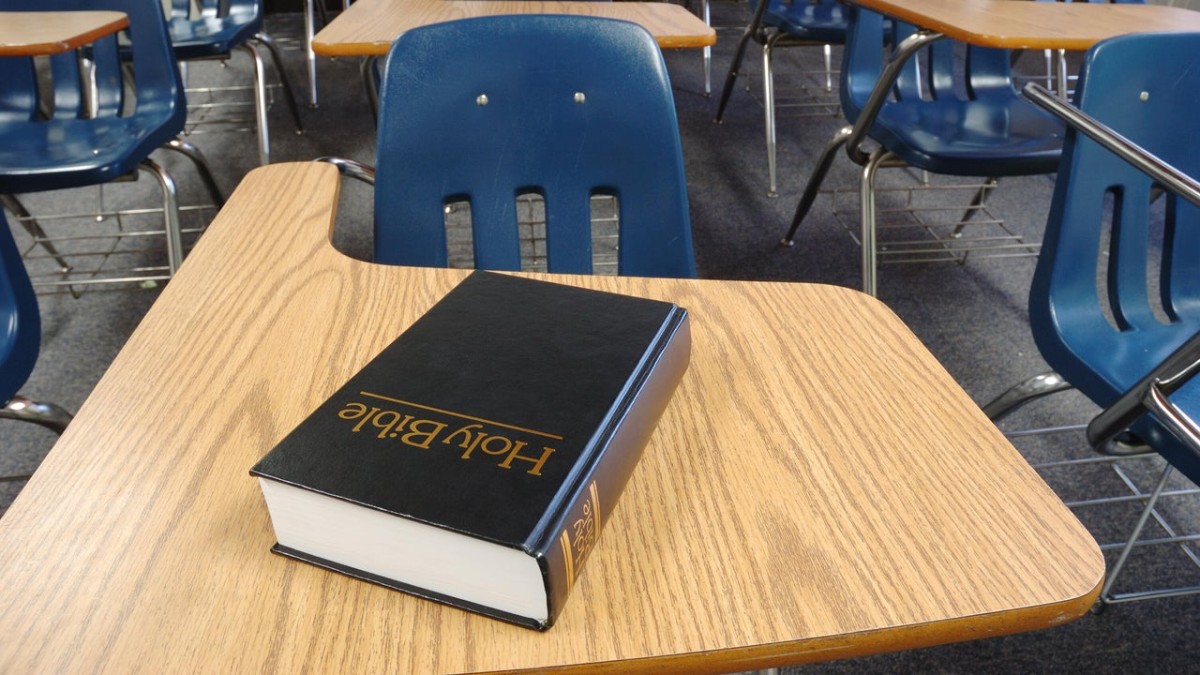
Educators also expressed frustration over losing local autonomy, pointing out that selecting appropriate classroom literature is traditionally a choice left to teachers and local school boards rather than state officials.
While teachers retain the right to assign supplementary books, they are legally required to teach the materials on the state-mandated list.
In tandem with the literacy changes, the board also approved a revamped K-8 social studies curriculum.
The new history standards narrow the educational focus toward U.S. and Texas history, reducing global history lessons and explicitly drawing links between biblical narratives and American historical events.
With Texas educating roughly one in ten public school students in the United States, the board’s decision is expected to influence national education trends and likely set up a major legal battle regarding religious freedom and public education standards.