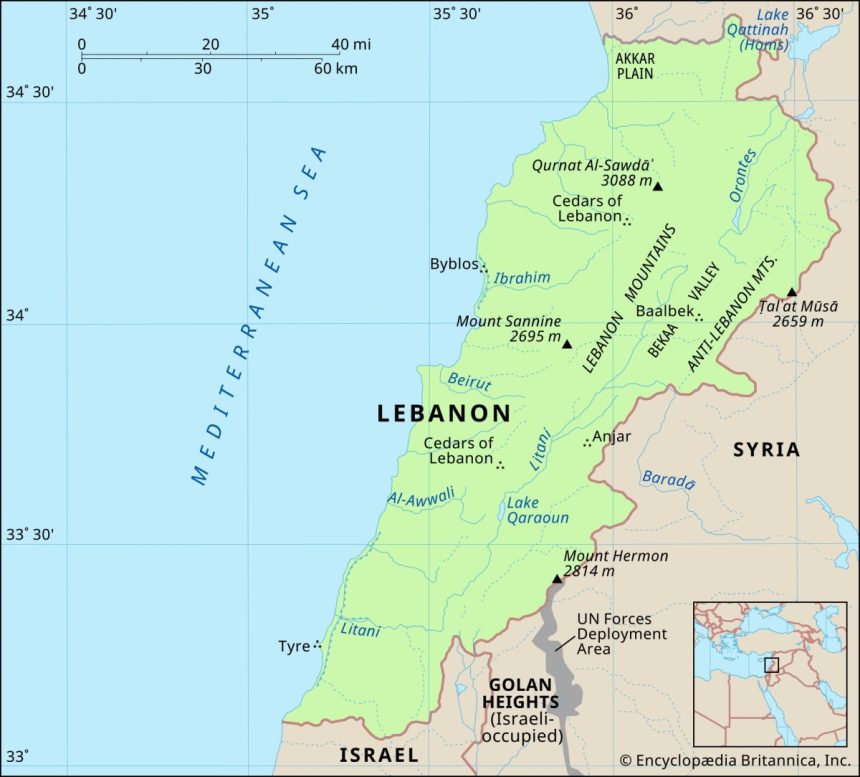
- A newly signed trilateral framework agreement officially recognizes Israel’s right to maintain an active military buffer zone stretching 10 kilometers inside sovereign Lebanese territory.
- Israeli Prime Minister Benjamin Netanyahu has proudly celebrated the diplomatic breakthrough as a “historic achievement” that effectively locks out Iranian influence and cripples the operational freedom of non-state defense forces.
- Condemning the Washington-mediated accord as a “disgrace” and an absolute betrayal of national sovereignty, Hezbollah leadership has flatly rejected the terms, vowing to sustain active armed resistance against occupying forces.
A wave of geopolitical tension and public outrage has rippled across the Middle East following the official signing of a controversial trilateral framework agreement in Washington that formally recognizes Israel’s right to maintain an expansive military “security zone” deep within southern Lebanon.
Eko Hot Blog reports that speaking during a televised press briefing from Jerusalem on Saturday, June 27, 2026, Israeli Prime Minister Benjamin Netanyahu triumphantly labeled the accord a “historic achievement” for his country’s long-term defense posture.
EDITOR’S PICK
- Hamzat Appoints Obanikoro as Campaign DG Ahead of 2027 Lagos Governorship Race
- Tinubu’s State Police Plan Gains Momentum as Amendment Looms
- Residents Raise Alarm After Two Bodies Found in Lagos Waterway
The deal, which was mediated under intense pressure from the United States government, effectively grants the Israel Defense Forces prolonged operational control over a buffer strip extending roughly 10 kilometers inside Lebanese borders, drawing immediate accusations of a legalized, open-ended occupation.
The framework establishes that the Israeli military will preserve its heavily fortified positions along the newly designated “yellow line” for as long as it deems necessary to protect its northern communities.
Netanyahu made it clear that a withdrawal is entirely off the table under current conditions, asserting that Israeli troops will not vacate the territory until Hezbollah and all other independent armed groups are completely disarmed and dismantled.
In a direct jab at regional rivals, the Israeli leader declared the agreement a massive strategic and diplomatic blow to Iran and its allies, who had spent months attempting to force a total Israeli retreat from the south.
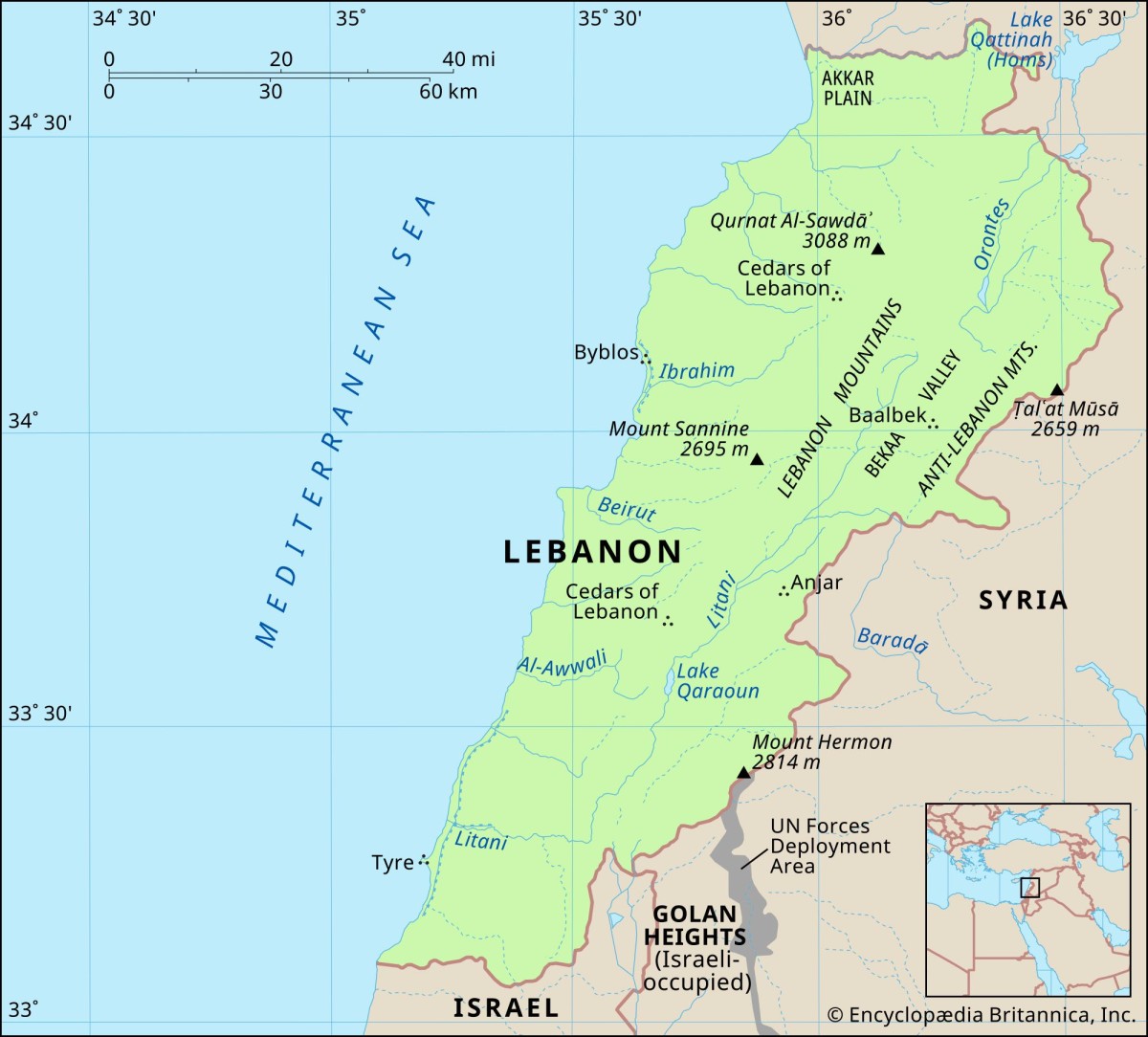
According to Netanyahu, the signatures of the United States and representatives from Beirut send an unambiguous message to Tehran that it has no authority, status, or role remaining in the future governance of Lebanon.
While Netanyahu presented the deal as a stepping stone toward an eventual bilateral peace treaty, the terms have triggered an explosive backlash within Lebanon and across the wider Arab world.
Hezbollah, which was systematically excluded from the high-level negotiations in Washington, released a blistering statement on Saturday slamming the trilateral accord as a humiliating capitulation and a total “disgrace” to Lebanese sovereignty.
The militant group fiercely rejected the disarmament clauses, calling the idea that an invading force can legally dictate security parameters inside another nation’s borders an absolute non-starter.
Hezbollah commanders quickly renewed their pledge to confront the Israeli military presence on the ground, warning that their forces will continue active combat operations against any occupying troops stationed within the buffer zone.
The announcement comes at a highly volatile moment for Netanyahu domestically, as he navigates plummeting poll numbers and intense criticism from his own far-right coalition partners, who argue the deal does not go far enough.
To appease internal critics, Netanyahu emphasized that the IDF will retain total operational freedom to neutralize any perceived threats within the security zone, and that displaced Lebanese civilians will be strictly barred from returning to the Israeli-controlled buffer areas for the foreseeable future.
Although the agreement outlines a minor pilot program where the Israeli military will hand over two small, non-strategic sectors to the Lebanese Armed Forces, the core infrastructure of the occupation remains firmly intact.
With Hezbollah actively mobilizing its fighters in defiance of the Washington pact and U.S. Secretary of State Marco Rubio admitting that a difficult road lies ahead, observers fear the deal will spark a dangerous new phase of asymmetric warfare rather than delivering the promised regional stability.