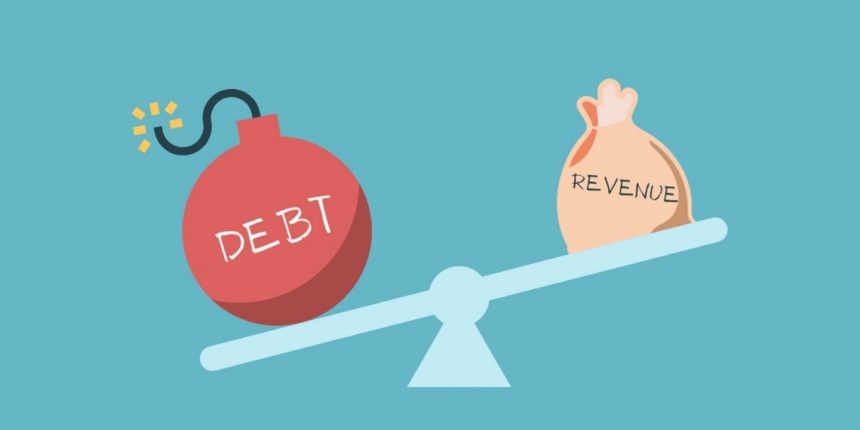
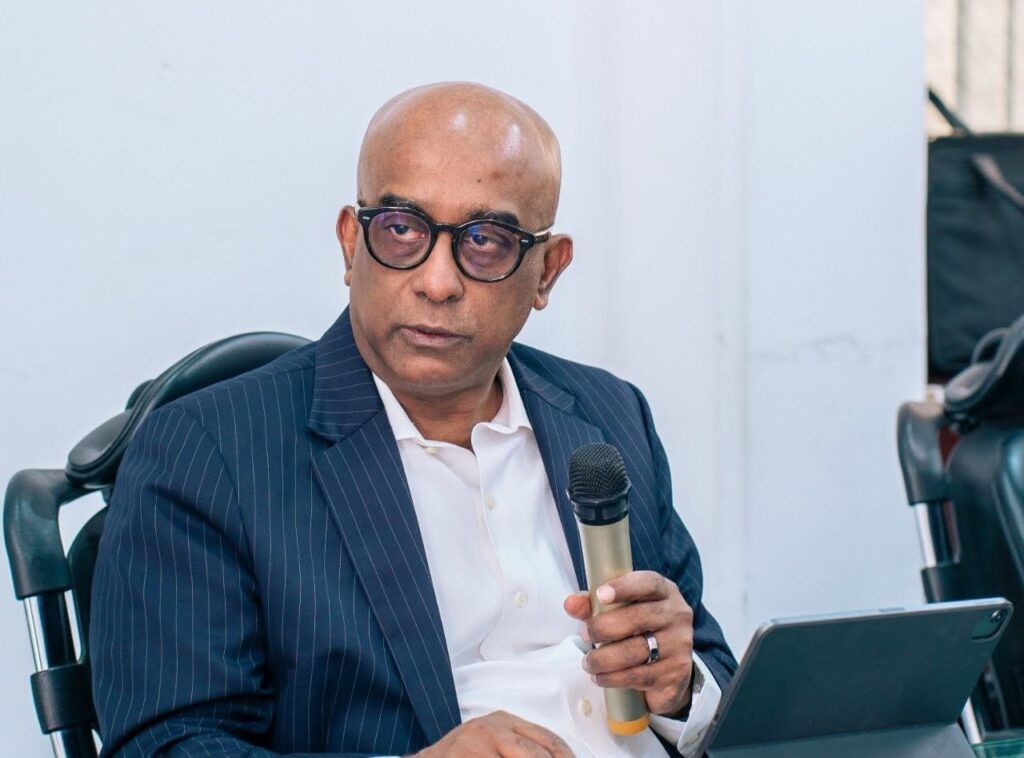
Nigeria’s fiscal problem is not that it owes too much money, but that it collects too little, according to the World Bank’s country director for Nigeria, Mathew Verghis.
Speaking on Channels Television on Friday, Verghis said the country’s debt profile, when measured against the size of its economy, remains moderate by international standards. What should worry policymakers more, he argued, is government revenue, which he described as very low compared to other nations.
EDITOR’S PICKS
- Can “Waste Police” Fix Lagos’s Trash Epidemic?
- LAWMA Is Clearing Lagos’s Trash. But Who Stops the Next Pile?
In his words, Nigeria does not have a high indebtedness problem; it has a low revenue problem.
Debt Levels Not the Real Danger
According to Verghis, Nigeria’s debt-to-GDP ratio is lower than that of many neighbouring and peer countries. He drew a clear distinction between Nigeria’s position and that of countries currently facing debt distress, citing Ghana, which is undergoing a formal debt restructuring, as an example of a starkly different situation. Nigeria, he said, does not belong in that category.
This assessment challenges a persistent narrative in public debate, where rising government borrowing is often treated as the central threat to the economy. Verghis’s comments suggest that, from the World Bank’s perspective, the more pressing issue lies elsewhere.
Why Borrowing Isn’t the Enemy
The World Bank official explained that borrowing itself is a normal and necessary part of national development, not a sign of mismanagement. Governments borrow, he said, because annual revenue is often insufficient to fund projects that deliver long-term results for citizens. Done properly, borrowing finances investments that eventually strengthen the economy and improve the government’s ability to repay.
He used energy access as an example. Connecting an estimated 32 million Nigerians who currently lack electricity requires substantial upfront investment, funded significantly through borrowing. However, he argued that the economic benefits of expanded energy access, including higher productivity and a wealthier population, would in time make repayment easier.
The Real Problem Is Revenue
Verghis was direct in identifying where Nigeria’s fiscal priority should lie: raising government revenue. He noted that while the country’s debt burden sits within a manageable range internationally, its revenue collection lags far behind global norms.
Without a significant improvement in revenue, he warned, the government will struggle to service its debt obligations regardless of how moderate that debt appears on paper.
This is an important distinction for public understanding. A country can carry a reasonable debt load and still face financial strain if it fails to generate enough income to match its obligations and development needs. For Verghis, this is precisely Nigeria’s situation.
Link to Broader Development Goals
Improving revenue collection, Verghis said, would not just help Nigeria service debt more comfortably. It would also expand the government’s capacity to invest in infrastructure and human capital, two areas he linked directly to job creation and poverty reduction over the long term.
His comments come shortly after the World Bank unveiled a new six-year country partnership framework for Nigeria. The framework places job creation at its centre, with planned support channelled into infrastructure, healthcare, agriculture, and digital connectivity, sectors seen as critical to broadening the country’s economic base.
What It Means
Verghis’s remarks reframe a debate that has often focused narrowly on the size of Nigeria’s debt stock. His central argument is that debt, on its own, is not the danger; it is a tool, provided it is deployed towards investments that generate future returns. The more urgent task, he insists, is fixing the revenue side of the equation, since a government that earns too little will always struggle to invest, grow, and repay, no matter how disciplined its borrowing appears to be.
FURTHER READING
- Men’s Health Week: What Nigerian Fathers Must Do To Stay Alive
- Inside the 37 Bills That Could Rewrite How Nigeria Is Governed
For a country weighing further borrowing against mounting public concern over debt sustainability, the message from the World Bank is clear: the numbers on revenue, not the numbers on debt, deserve closer attention.
Philip Ibitoye is a Special Correspondent with EKO HOT BLOG. Click here to find daily analysis and critical insight on trending issues in Lagos and other parts of Nigeria.
Click to watch the video of the week below: