- Severe thunderstorms and a historic heat wave severely marred America’s 250th Independence Day celebrations, forcing the evacuation of thousands from the National Mall in Washington, D.C., and delaying a keynote address by President Donald Trump.
- Violent storms Packing winds up to 70 mph knocked out power grids across the Midwest and Northeast, leaving nearly one million homes and businesses without electricity in states including Michigan, New York, New Jersey, and Wisconsin.
- A sudden storm on Geneva Lake in Wisconsin capsized a recreational motorboat attempting to race to safety, resulting in the tragic deaths of three children under the age of 13.
A volatile combination of record-breaking heat and violent thunderstorms severely disrupted America’s milestone 250th Independence Day weekend, leaving nearly one million utility customers without electricity and leading to a tragic boating accident in the Midwest.
Eko Hot Blog reports that the highly anticipated semiquincentennial celebrations faced widespread cancellations, mandatory evacuations, and emergency grid responses as multiple regions battled extreme weather hazards.
EDITOR’S PICK
- Hamzat Appoints Obanikoro as Campaign DG Ahead of 2027 Lagos Governorship Race
- Tinubu’s State Police Plan Gains Momentum as Amendment Looms
- Residents Raise Alarm After Two Bodies Found in Lagos Waterway
In Washington, D.C., the grand Freedom 250 celebrations on the National Mall were thrown into chaos on Saturday evening when a severe thunderstorm triggered immediate evacuation orders for thousands of spectators.
Public safety officials urged attendees to seek shelter immediately as heavy downpours and lightning threatened the open lawns.
The storm forced major adjustments to the night’s schedule, which included a massive fireworks display and a highly publicized address by President Donald Trump. Originally slated for 9:45 p.m., the president’s remarks were delayed by over an hour.
Trump remained defiant on social media, telling followers that storms bring luck and that he would wait it out no matter how late the events were pushed.
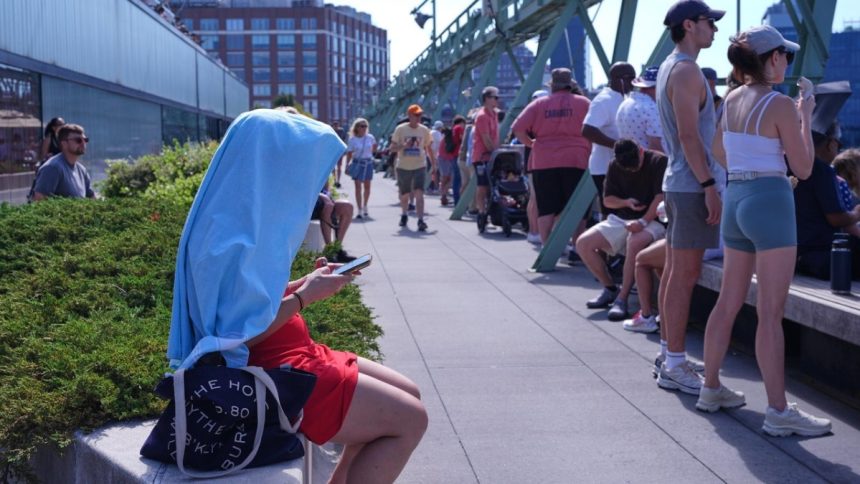
The disruption followed days of punishing heat in the capital, which registered an unprecedented record low temperature of 84 degrees Fahrenheit and prompted dozens of emergency medical transports for heat-related illnesses.
The atmospheric instability, fueled by triple-digit temperatures, created destructive squall lines across the Northeast and Midwest.
Atlantic City, New Jersey, hit an all-time July record of 105 degrees Fahrenheit, while Central Park in New York reached 98 degrees Fahrenheit.
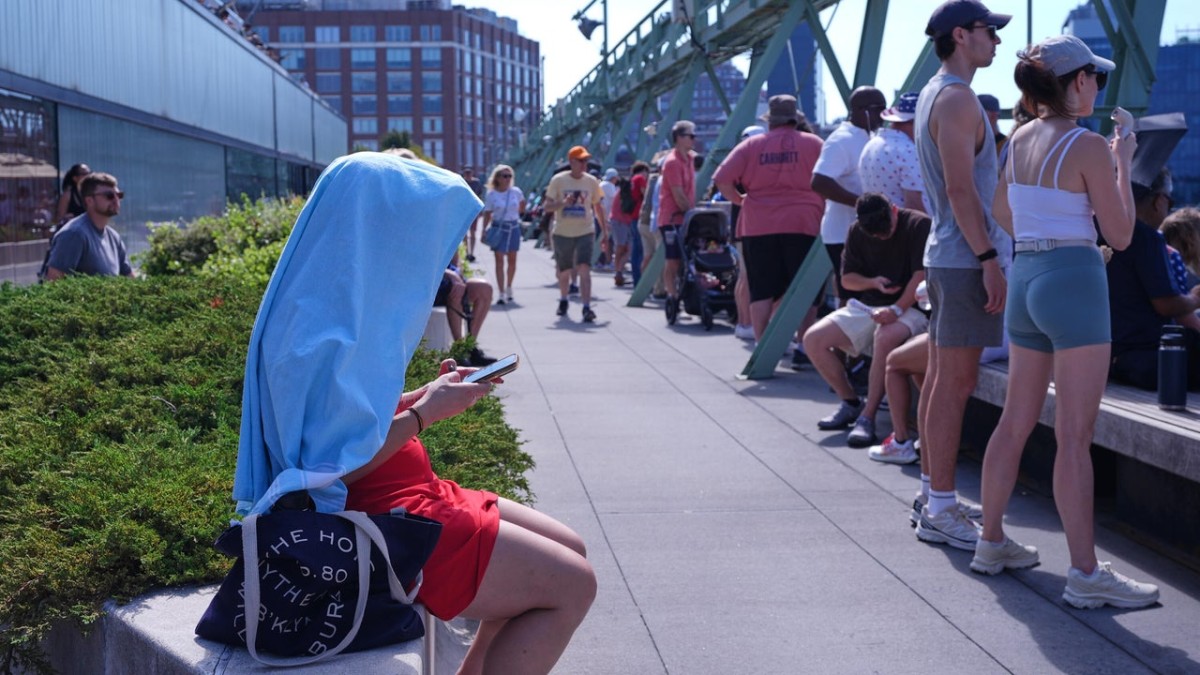
The intense heat acted as fuel for sudden storms that brought wind gusts of up to 70 miles per hour, knocking down trees, damaging transit lines, and leaving roughly 750,000 customers powerless across Wisconsin, Michigan, Illinois, Pennsylvania, Ohio, New York, and New Jersey by Saturday afternoon.
The scale of the blackout in Michigan was so severe that utility crews from twelve states and Canada were deployed to assist with emergency power restoration.
The weekend’s most severe tragedy occurred in Wisconsin on Geneva Lake, where a family holiday outing turned fatal. A private recreational motorboat carrying ten passengers, including four children, was caught in a sudden and violent storm.
Despite attempting to race back to the shoreline, the vessel was overwhelmed by intense winds and high waves, causing it to take on water and capsize.
While six adults and one child were successfully rescued, emergency responders recovered three children under the age of 13 who were unresponsive.
Despite wearing life jackets and receiving immediate lifesaving measures, all three children passed away. Local authorities later declared an emergency for the area due to widespread damage from downed trees and power lines.
Faced with severe safety risks, municipal leaders throughout the impacted states chose to call off their long-planned holiday festivities. In Belleville, New Jersey, the mayor rescheduled the town’s fireworks display for the following year to guarantee resident safety.
In Maryland, the city of Annapolis canceled its traditional parade and a performance by the Naval Academy Electric Brigade band.
Similarly, Philadelphia officials halted the Salute to Independence Parade and the One Philly Unity Concert due to the dual threats of extreme heat and impending storms, bringing a somber and unexpected end to the historic holiday weekend.