
The brain accounts for only about 2% of the body’s weight, yet it consumes approximately 20% of the body’s oxygen and energy.
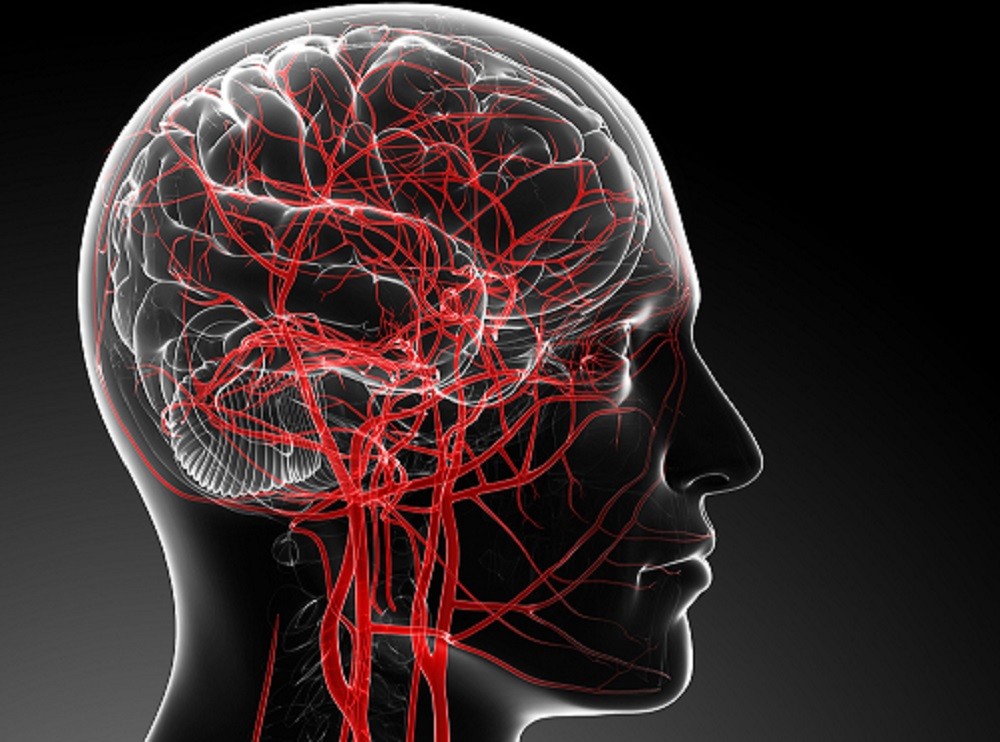
To function properly, it depends on a constant supply of oxygen-rich blood.
Even a brief reduction in blood flow can affect memory, movement, speech, and vision. In severe cases, it can lead to a stroke, permanent brain damage, or even death.
EDITOR’S PICKS
- Akpabio Makes Demand From Senators Over State Police
- JUST IN: State Police Move Gains Momentum as Tinubu Sends Bill to Senate
- Malami Appears in Court Over ₦8.7bn Trial
Reduced blood flow to the brain, medically known as cerebral hypoperfusion, can occur for several reasons, including narrowed arteries, blood clots, heart disease, low blood pressure, or severe dehydration. According to the World Stroke Organization, one in four adults worldwide will experience a stroke during their lifetime, while the World Health Organization reports that stroke remains one of the leading causes of death and long-term disability globally.
Recognising the warning signs early can help prevent a medical emergency. Here are seven symptoms that may indicate your brain is not receiving enough blood.
- 1. Frequent Dizziness or Lightheadedness
Feeling dizzy occasionally after standing up too quickly is common. However, repeated episodes of dizziness, especially when accompanied by blurred vision or weakness, may indicate that the brain is not receiving enough blood.
Poor circulation can reduce oxygen delivery to the brain, making you feel faint or unsteady. While dehydration and low blood sugar can also cause dizziness, persistent symptoms should be evaluated by a healthcare professional.
- 2. Sudden Confusion or Difficulty Thinking Clearly
If you suddenly struggle to concentrate, become unusually forgetful, or find it difficult to process simple information, reduced blood flow may be affecting areas of the brain responsible for thinking and memory.
Mental confusion that develops suddenly should never be dismissed, particularly in older adults or individuals with high blood pressure, diabetes, or heart disease.
- 3. Blurred Vision or Temporary Vision Loss
The eyes and the brain work closely together. Reduced blood flow to the visual centres of the brain or to the retina can cause blurred vision, double vision, or temporary loss of sight in one eye.
These symptoms may last only a few minutes but can be an early warning sign of a transient ischemic attack (TIA), often called a mini stroke.
- 4. Weakness or Numbness on One Side of the Body
One of the most serious warning signs is sudden weakness, numbness, or tingling affecting the face, arm, or leg, particularly on one side of the body.
This occurs because reduced blood flow prevents parts of the brain from controlling the muscles properly. If this symptom appears suddenly, seek emergency medical care immediately, as it could indicate a stroke.
- 5. Difficulty Speaking or Understanding Others
Reduced blood flow can affect the brain’s language centres, making it difficult to speak clearly or understand what others are saying.
Some people suddenly begin slurring their words, struggle to form sentences, or appear confused during conversations. Even if these symptoms disappear after a few minutes, they should be treated as a medical emergency.
- 6. Poor Balance or Difficulty Walking
The cerebellum, the part of the brain responsible for balance and coordination, requires a constant blood supply.
When circulation is reduced, you may suddenly lose your balance, stumble while walking, or have difficulty coordinating simple movements. These symptoms are particularly concerning when they occur without an obvious cause.
- 7. A Sudden, Severe Headache
Not every headache signals poor brain circulation. However, a sudden, extremely severe headache, especially when combined with dizziness, vision problems, confusion, or weakness, may indicate a serious problem affecting blood flow within the brain.
Medical experts advise seeking immediate emergency care if a severe headache develops suddenly and feels different from any headache experienced before.
- What Causes Poor Blood Flow to the Brain?
Several health conditions can reduce blood circulation to the brain. Some of the most common include:
- Narrowed or blocked carotid arteries
- High blood pressure
- High cholesterol
- Blood clots
- Atrial fibrillation and other heart rhythm disorders
- Heart failure
- Diabetes
- Smoking
- Severe dehydration
- Low blood pressure
Many of these risk factors develop silently over several years, making regular medical checkups important.
- How to Protect Your Brain
Maintaining healthy blood circulation begins with protecting your heart and blood vessels.
Regular physical activity helps improve circulation, while eating a balanced diet rich in fruits, vegetables, whole grains, fish, and healthy fats supports healthy arteries. Managing blood pressure, cholesterol, and blood sugar levels also reduces the risk of blocked blood vessels.
Avoid smoking, limit alcohol consumption, stay hydrated, maintain a healthy weight, and attend regular health screenings, particularly if you have a family history of stroke or heart disease.
Learning the FAST warning signs of stroke can also save lives:
F – Face drooping
A – Arm weakness
S – Speech difficulty
T – Time to call emergency medical services immediately.
Poor blood flow to the brain is not a condition to ignore. While some symptoms may seem mild or disappear within minutes, they can be early warning signs of a transient ischemic attack or an impending stroke. Early diagnosis and prompt medical treatment can significantly reduce the risk of permanent brain damage and improve survival.
If you or someone around you experiences sudden weakness, difficulty speaking, vision loss, severe dizziness, or confusion, seek emergency medical attention without delay. Acting quickly could save a life.