- Iran’s Islamic Revolutionary Guard Corps confirmed launching complex drone and ballistic missile strikes targeting vital United States military facilities across Bahrain and Kuwait.
- The dramatic military exchange effectively imploded a fragile 60-day ceasefire agreement brokered for indirect diplomatic negotiations between Washington and Tehran.
- Global oil prices surged significantly immediately following the hostilities, as nervous commodity traders rushed to price in heightened security risks around the strategic Strait of Hormuz shipping corridor.
The delicate security architecture of the Middle East has suffered a severe blow following an intense exchange of direct military strikes between Iranian forces and the United States military.
Eko Hot Blog reports that on Wednesday morning, the Islamic Revolutionary Guard Corps (IRGC) officially claimed responsibility for a synchronized wave of ballistic missile and drone operations targeting high-value U.S. military command installations located inside Bahrain and Kuwait.
EDITOR’S PICK
- Hamzat Appoints Obanikoro as Campaign DG Ahead of 2027 Lagos Governorship Race
- Tinubu’s State Police Plan Gains Momentum as Amendment Looms
- Residents Raise Alarm After Two Bodies Found in Lagos Waterway
According to intelligence dispatches, the Iranian retaliatory strikes directly targeted strategic Western hubs in the Gulf region, including Bahrain’s prominent Fifth Naval District based at Bandar Salman and the heavily fortified Ali Al Salem Air Base operating in Kuwait.
The offensive triggered immediate emergency sirens across both host nations, forcing local defense forces to activate automated anti-missile interceptors to neutralize incoming hostile ordinance.
The IRGC described its early morning bombardment as a direct defensive response to a massive wave of pre-dawn American airstrikes.
Hours prior to the Iranian missile launches, Washington had unleashed a broad kinetic operation against Iranian paramilitary infrastructure and simultaneously revoked a vital economic license that had previously allowed Tehran to export commercial crude oil despite existing international sanctions.
The United States government clarified that its severe military and economic enforcement actions were necessitated by recent unprovoked aggressive maneuvers against international maritime commerce.
The Pentagon stated that Iranian forces had launched hostile operations against three separate commercial oil tankers navigating through the Strait of Hormuz.
In response, the U.S. Central Command (CENTCOM) executed targeted operations, striking more than 60 speedboats belonging to the Revolutionary Guards.
CENTCOM condemned the IRGC’s activities as an unwarranted aggression and a dangerous violation of international freedom of navigation rules.
This rapid military escalation has completely derailed the fragile 60-day ceasefire that regional stakeholders had laboriously negotiated weeks prior.
The temporary truce was intended to buy essential diplomatic space for sensitive, indirect bilateral talks regarding long-term regional security frameworks.
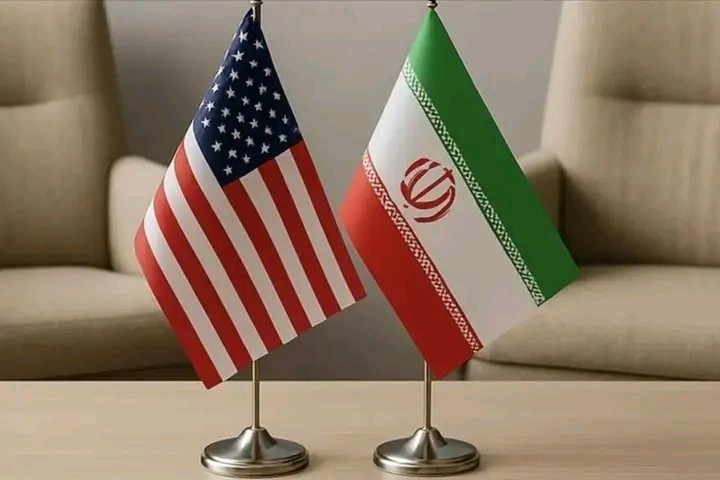
However, the latest round of mediation meetings held in Qatar concluded without producing any structural breakthrough, leaving a diplomatic vacuum that both sides have quickly filled with renewed kinetic hostilities.
The sudden eruption of warfare inside the world’s most critical energy transit corridor sent immediate shockwaves through international financial systems.
Brent crude futures jumped by over two percent within hours of the attacks, settling near 70.28 dollars per barrel as commodity desks moved rapidly to insulate supply lines from potential transit blocks.
Iranian Foreign Minister Abbas Araqchi warned that diplomatic solutions are completely off the table if Washington continues its policy of military threats, signaling a highly volatile future for global energy security and international diplomacy.