- The House of Representatives called for stronger rehabilitation for trafficked Nigerians
- Lawmakers said repatriation must be backed by long-term reintegration support
- Stakeholders also raised concerns over alleged irregularities at the Nigerian Embassy in Mali
The House of Representatives has called for comprehensive rehabilitation and reintegration programmes for Nigerians rescued from human trafficking in Mali and other West African countries, stressing that bringing victims home is only the first step in their recovery.
Eko Hot Blog gathered that the position was presented on Wednesday during a high-level stakeholders’ technical meeting organised by the House Committee on Humanitarian Services.
EDITOR’S PICK
- UN Mobilizes Humanitarian Aid For Venezuela Following Twin Earthquakes
- Dollar To Naira Exchange Rate Today, June 26, 2026
- Concerns As Repentant Boko Haram Members Allegedly Join Army Recruitment
The session brought together lawmakers, government agencies, development partners and civil society organisations to discuss ways of improving the rescue, rehabilitation and reintegration of trafficked Nigerians.
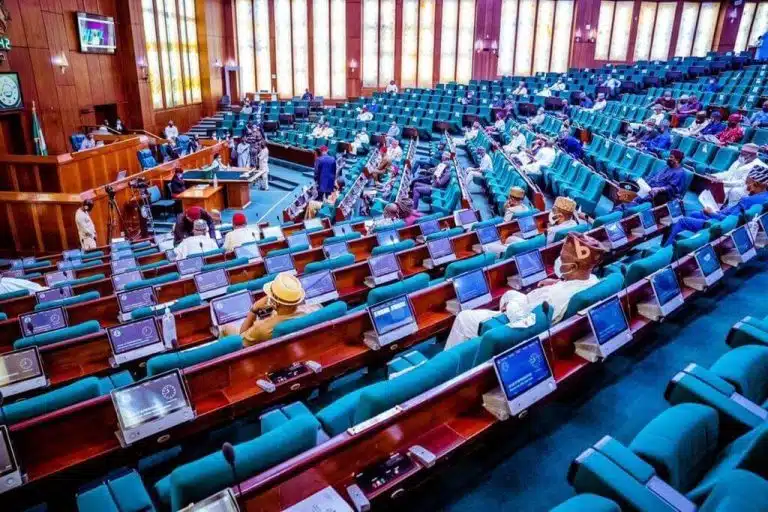
Chairperson of the committee, Tolulope Akande-Sadipe, urged authorities to adopt a survivor-focused approach in tackling human trafficking, saying lasting support is essential for victims to rebuild their lives.
She noted that the success of anti-trafficking efforts should not be measured solely by the number of people repatriated but by the long-term assistance provided after their return.
Akande-Sadipe described human trafficking as a serious abuse of human rights, noting that many Nigerians, particularly women, children and young people, continue to suffer forced labour, sexual exploitation and other forms of modern slavery across the West African region.
She called for a coordinated response that includes safe repatriation, medical care, psychosocial counselling, legal support, access to education and economic empowerment programmes for survivors.
According to her, victims who do not receive adequate reintegration support remain vulnerable to poverty, social exclusion and the risk of being trafficked again.
During the meeting, the National Council of Child Rights Advocates, Nigeria, raised concerns over the handling of rescued Nigerians by officials at the Nigerian Embassy in Mali.
Presenting the findings of an 11-month fact-finding mission, the group’s representative, Adefioye Simeon, alleged a lack of transparency in the embassy’s repatriation process.
He claimed that private individuals who brought rescued girls to the embassy allegedly paid about 200,000 CFA francs per victim to facilitate their transportation back to Nigeria, adding that questions regarding the use of the funds were left unanswered.
Simeon also alleged that documentation for Nigerians living in Mali was poorly managed. According to him, some migrants paid between 10,000 and 15,000 CFA francs for identification cards that were later rejected at border checkpoints.
He called on the House Committee to investigate the allegations and strengthen collaboration among the Ministry of Foreign Affairs, the National Agency for the Prohibition of Trafficking in Persons (NAPTIP), security agencies and civil society organisations to improve the protection of vulnerable Nigerians.
FURTHER READING