- Trump said the U.S. and Iran will continue talks despite declaring the ceasefire over
- Washington demanded that Iran stop attacks on ships in the Strait of Hormuz
- Regional mediators are working to ease tensions as the conflict continues to affect global oil markets
U.S. President Donald Trump said on Friday that Washington and Tehran had agreed to continue diplomatic discussions despite renewed tensions in the Gulf, while insisting that the ceasefire reached between both countries last month was no longer in effect.
Eko Hot Blog gathered that Trump made the announcement in a post on Truth Social after a week of escalating violence that saw attacks on commercial vessels in the Strait of Hormuz, U.S. strikes on Iranian targets and retaliatory attacks by Iran on American military facilities in the Gulf.
EDITOR’S PICK
- UN Mobilizes Humanitarian Aid For Venezuela Following Twin Earthquakes
- Dollar To Naira Exchange Rate Today, June 26, 2026
- Concerns As Repentant Boko Haram Members Allegedly Join Army Recruitment
Although no fresh attacks were reported on Friday, regional mediators intensified efforts to prevent further escalation and revive negotiations aimed at ending the conflict that erupted on February 28 following U.S.-Israeli military operations against Iran.
“The Islamic Republic of Iran has asked us to continue talks. We have agreed, but we have made it clear that the ceasefire is over,” Trump wrote.
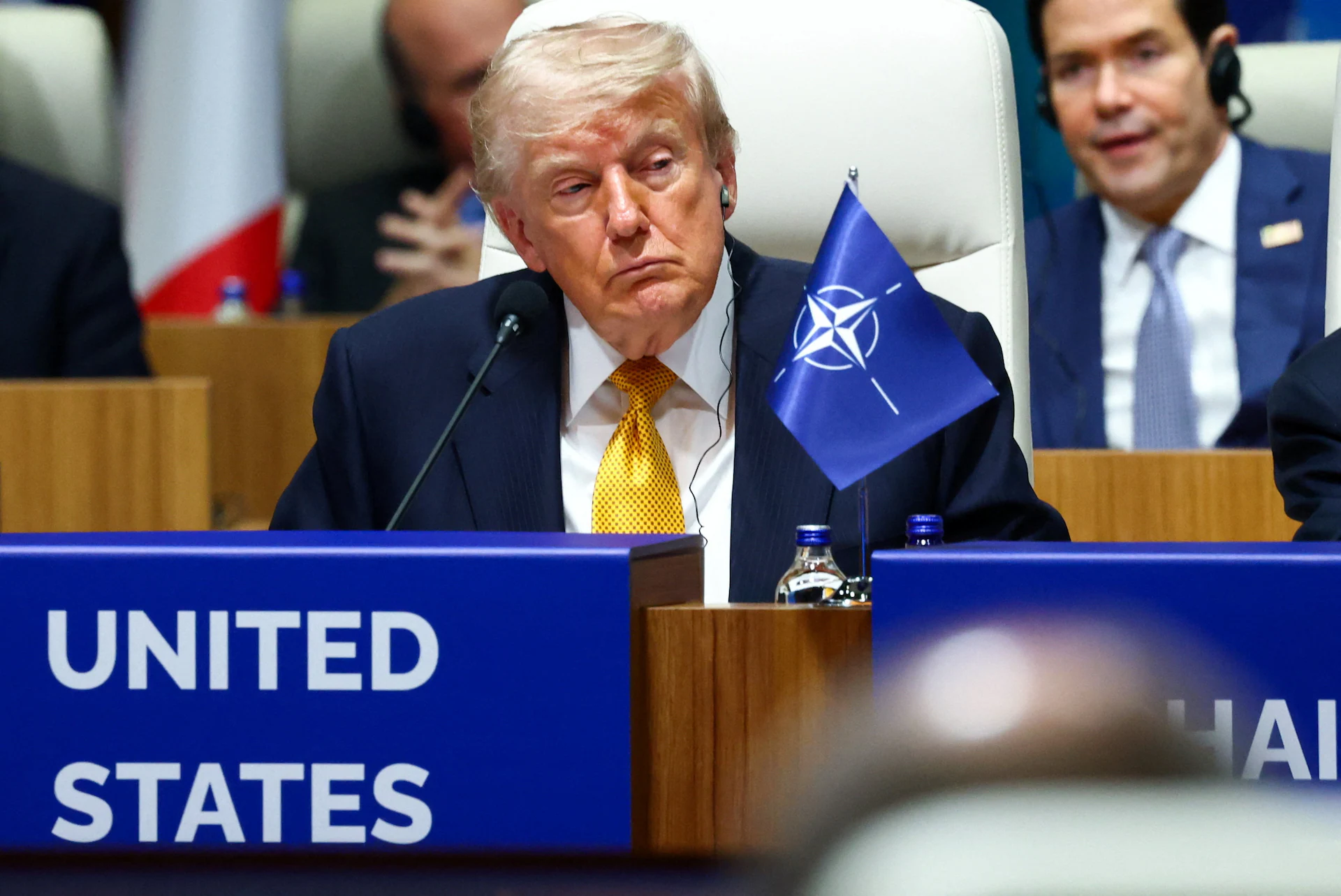
Iran, however, rejected Trump’s account, saying it had not requested direct negotiations with Washington. Instead, Tehran said it had agreed to receive a Qatari mediation team to discuss de-escalation and maritime security.
According to Iranian state media, Qatar’s representatives met with Iranian officials on Friday to explore ways of easing tensions and ensuring safe navigation through the Strait of Hormuz.
Iranian Foreign Minister Abbas Araqchi is also expected to visit Oman to discuss arrangements aimed at safeguarding shipping activities in the strategic waterway.
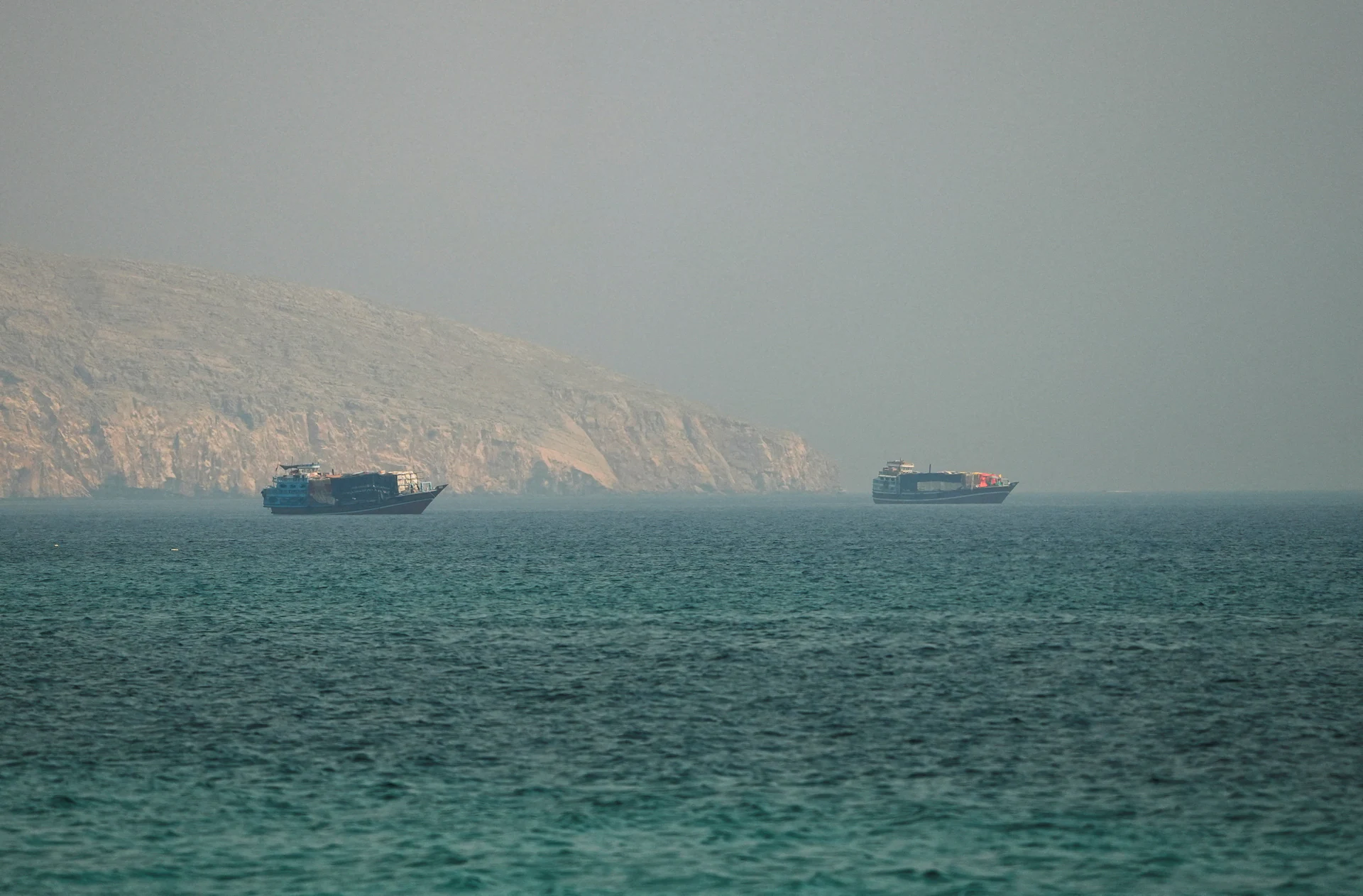
The United States has demanded that Iran publicly declare an end to attacks on vessels passing through the Strait of Hormuz and guarantee unrestricted access to all shipping lanes without imposing tolls.
The demand follows Washington’s accusation that Iranian forces targeted three commercial oil tankers, prompting U.S. airstrikes on Iranian military sites. Tehran responded by launching missile attacks on U.S. military installations across Gulf states.
Iran’s Health Ministry said the American strikes on six cities over Wednesday and Thursday killed at least 17 people and left 115 others injured.
Despite the military exchanges, U.S. officials said diplomatic contacts between both countries had continued and described recent discussions as constructive.
One senior U.S. official warned that Washington expected a clear public commitment from Iran to halt attacks on commercial shipping, adding that failure to do so could trigger further consequences.
Iran, on its part, maintained that any violation of agreements by the United States would attract a proportional response.
The renewed instability has unsettled global energy markets, with crude oil recording its largest weekly gain in two months amid concerns over supplies.
The Strait of Hormuz, through which roughly one-fifth of the world’s oil and liquefied natural gas exports normally pass, remains at the centre of the crisis, raising fears of prolonged disruptions to international energy trade.
Meanwhile, Iran concluded the burial of its late Supreme Leader, Ayatollah Ali Khamenei, at the holy city of Mashhad after days of national mourning. Khamenei was killed in an airstrike at the start of the conflict.
Public attention has also shifted to his son, Mojtaba Khamenei, who has remained out of public view since reportedly sustaining injuries in the same attack, fuelling speculation over Iran’s future leadership.
FURTHER READING