- Tunji-Ojo calls for fewer prison sentences
- He says many inmates committed minor offences
- Minister links education to lower repeat offences
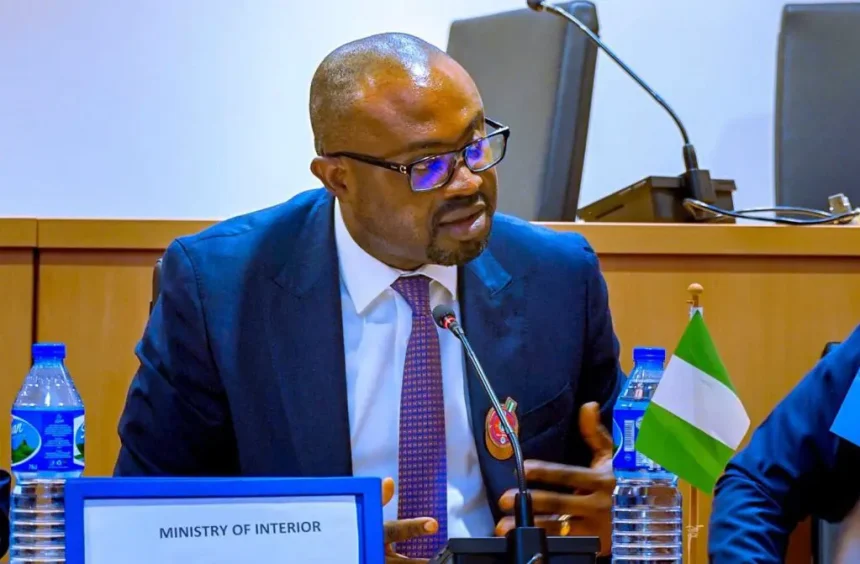
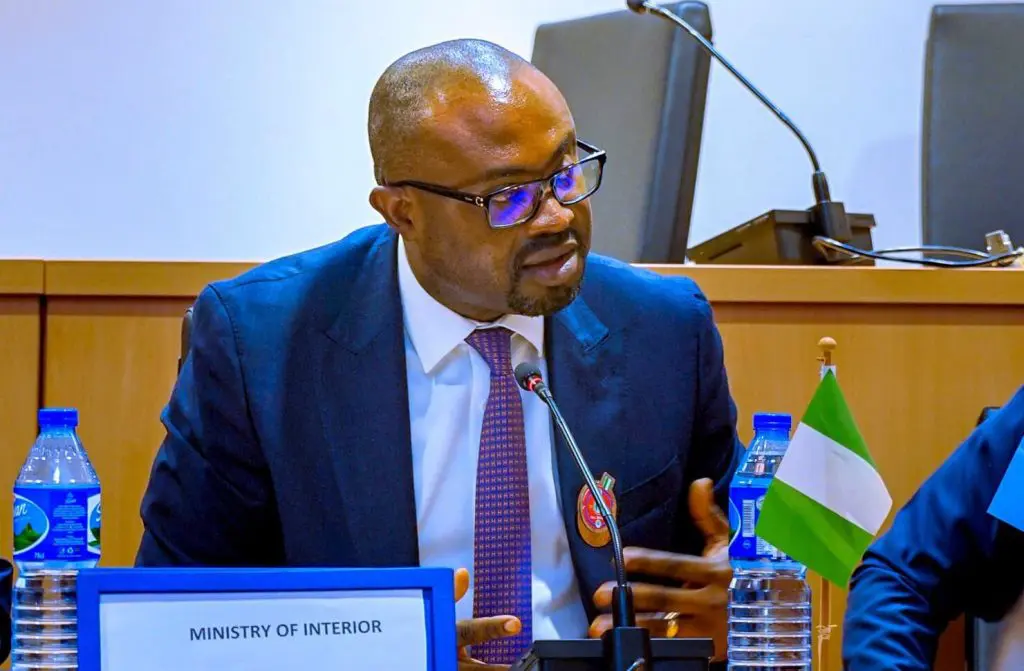
Minister of Interior, Dr. Olubunmi Tunji-Ojo, has said that between 30 and 50 per cent of offences committed by inmates in correctional centres across Africa do not require imprisonment.
Eko Hot Blog gathered that the he made the remark on Wednesday at the Regional Conference on the Classification of Prisoners and the Use of Technology in Prisons in Africa, held in Abuja and jointly organised by the United Nations Office on Drugs and Crime (UNODC) and the African Correctional Services Association.
EDITOR’S PICK
- 175th Kayokayo Festival Grand Finale: Epe Celebrates 175 Years of Faith, Heritage, Unity and Prosperity
- Wale Raji Reaffirms Commitment at KayoKayo Finale
- India: Massive Garbage Heap Collapse Kills Nine Workers at Waste-to-Energy Plant
Tunji-Ojo urged correctional authorities across the continent to re-evaluate the causes of congestion in their facilities, arguing that many inmates are serving time for offences that could be addressed through alternative forms of punishment.
He challenged prison administrators to determine whether overcrowding in their correctional centres was genuinely unavoidable or the result of unnecessary incarceration.
The minister disclosed that about 93 per cent of inmates in Nigeria’s correctional facilities are state offenders, while only seven per cent are serving sentences for federal offences.
According to him, a significant number of the state inmates were jailed for minor offences that did not justify imprisonment.
Tunji-Ojo revealed that shortly after assuming office, he directed officials to compile records of inmates detained over fines or compensation of less than ₦500,000.
The review, he said, identified more than 4,000 inmates, prompting the government to take steps that reduced the prison population by about five per cent in a single day.
He questioned the economic value of keeping such offenders behind bars, noting that the cost of feeding them often exceeded the fines they were unable to pay.
The minister also highlighted progress in inmate rehabilitation, revealing that repeat offending had dropped significantly from about 13,000 cases in 2023 to around 1,000 last year.
He attributed the improvement to increased access to education and vocational training within correctional facilities.
Tunji-Ojo said the Nigerian Correctional Service currently has 62 inmates enrolled in postgraduate programmes, 261 pursuing undergraduate degrees, 1,125 receiving formal education and 9,582 participating in vocational and non-formal training through 18 National Open University of Nigeria study centres located inside correctional facilities.
Also speaking at the conference, the Controller-General of the Nigerian Correctional Service, Sylvester Ndidi Nwakuche, said reforms introduced under the Nigerian Correctional Service Act, 2019, have strengthened the country’s correctional system.
He noted that proper classification of inmates has improved security, protected vulnerable prisoners, enhanced resource allocation and supported more effective rehabilitation programmes.
Nwakuche added that the conference offered correctional agencies across Africa an opportunity to exchange ideas and develop practical solutions to common challenges facing prison administration and inmate rehabilitation.
FURTHER READING