- ECOWAS has begun implementing a regional anti-corruption protocol
- The framework supports cross-border investigations and intelligence sharing
- EFCC says the initiative is already helping recover illicit assets
West African countries have begun implementing a regional anti-corruption framework designed to strengthen cross-border investigations, intelligence sharing and the recovery of stolen assets across the ECOWAS region.
Eko Hot Blog gathered that the Chairman of the Economic and Financial Crimes Commission (EFCC) and President of the Network of National Anti-Corruption Institutions in West Africa (NACIWA), Ola Olukoyede, announced the development on Tuesday during the inaugural NACIWA Leadership Conference in Abuja.
EDITOR’S PICK
- 175th Kayokayo Festival Grand Finale: Epe Celebrates 175 Years of Faith, Heritage, Unity and Prosperity
- Wale Raji Reaffirms Commitment at KayoKayo Finale
- India: Massive Garbage Heap Collapse Kills Nine Workers at Waste-to-Energy Plant.
Olukoyede said the protocol, adopted at the network’s Annual General Assembly in October 2025, has progressed from policy to active implementation.
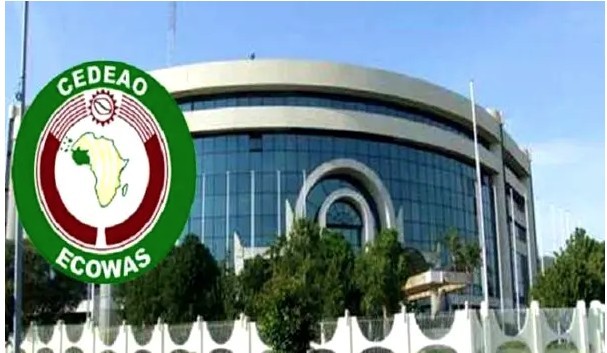
According to him, the agreement enables anti-corruption agencies within the region to exchange intelligence, conduct joint investigations and support one another in tracing illicit financial flows and recovering stolen assets.
“We drafted and adopted the protocol during our Annual General Assembly last year, and we have now begun implementing it. It provides for information sharing, cross-border investigations and mutual assistance among member states,” he said.
He disclosed that the initiative has already yielded positive results, with several West African anti-graft agencies successfully collaborating on investigations and asset-tracing operations.
“We have exchanged intelligence with our counterparts in other West African countries, and the arrangement is working effectively. We have supported one another in tracing illicit financial flows and assets, and every participating country is benefiting from the cooperation,” Olukoyede added.
He explained that the leadership conference was organised to implement resolutions reached at the previous Annual General Assembly, stressing that it serves a different purpose from the yearly gathering.
Olukoyede noted that Nigeria is spearheading the initiative because it currently chairs the regional anti-corruption network and occupies a strategic position within ECOWAS.
He said the conference is expected to deepen cooperation among anti-graft institutions, particularly in combating terrorism financing, illicit financial flows and other transnational financial crimes through coordinated intelligence sharing.
Speaking on evolving corruption trends, the EFCC chairman warned that criminal networks now operate across borders with ease, while illicit funds can be transferred across multiple jurisdictions within seconds.
He observed that although digital technology has accelerated development, it has also created new opportunities for fraud, financial manipulation and the concealment of criminal proceeds.
Olukoyede highlighted artificial intelligence as a major force reshaping the anti-corruption landscape, saying it offers significant opportunities for intelligence gathering, risk assessment and fraud detection but also raises concerns about governance, ethics, accountability and data security.
“Our institutions cannot confront 21st-century corruption with 20th-century structures, processes and assumptions,” he said.
He added that the EFCC’s ongoing reforms align with President Bola Tinubu’s Renewed Hope agenda aimed at strengthening accountability and tackling economic crimes.
Also addressing participants, Sierra Leone’s Anti-Corruption Commissioner, Francis Ben Kaifala, said the conference would improve collaboration among anti-corruption agencies by encouraging the exchange of best practices and enhancing joint cross-border investigations.
Kaifala noted that the regional network has significantly reduced bureaucratic obstacles that previously slowed cooperation between member states.
Representing Ghana’s Commission on Human Rights and Administrative Justice, Theophilus Tetteh Cio also emphasised the need for stronger regional collaboration, stating that corruption increasingly crosses national borders and requires a united response from anti-corruption institutions across West Africa.
FURTHER READING