- Federal Government has warned Nigerians to prepare for possible flooding
- It said climate change is increasing rainfall and flood risks nationwide
- Residents in flood-prone areas were urged to take precautionary measures
As the rainy season gathers momentum, the Federal Government has advised Nigerians, particularly those living in flood-prone communities, to take early precautions against possible flooding, warning that climate change is making rainfall more intense across the country.
Eko Hot Blog gathered that the warning was issued on Wednesday by the Special Assistant to the President on Climate Change Matters, Yussuf Kelani, who said the recent flooding witnessed in Lagos and several other states should serve as a reminder that Nigeria faces increasing climate-related threats.
EDITOR’S PICK
- UN Mobilizes Humanitarian Aid For Venezuela Following Twin Earthquakes
- Dollar To Naira Exchange Rate Today, June 26, 2026
- Concerns As Repentant Boko Haram Members Allegedly Join Army Recruitment
In a statement released in Abuja, Kelani explained that extreme weather events are becoming more frequent, making flooding a major national challenge that demands collective action from government institutions and the public.

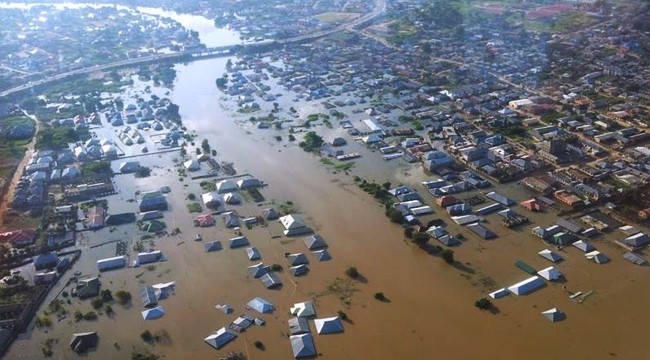
He said rainfall patterns have changed significantly in recent years, with heavy downpours now occurring within short periods and overwhelming drainage systems, rivers and other waterways. According to him, the result has been widespread flooding, damaged infrastructure and the displacement of many residents.
Kelani noted that scientific findings link the changing weather conditions to rising global temperatures, which have increased atmospheric moisture and contributed to more severe rainfall, flooding, coastal erosion, desertification and prolonged dry spells in different parts of Nigeria.
He pointed to the recent floods that disrupted businesses, submerged roads and destroyed homes in Lagos and other cities as evidence that urban centres are becoming increasingly vulnerable to climate disasters.
The presidential aide cautioned that the threat extends beyond Lagos, identifying communities along the Niger and Benue rivers, as well as parts of the North Central, South South, South East, North West and coastal states, as areas facing elevated flood risks during the rainy season.
He urged residents in vulnerable locations not to delay preparations, stressing that preventive action is far more effective than responding after floodwaters have arrived.
Kelani also called on state and local governments, traditional rulers, faith-based organisations and community groups to intensify awareness campaigns, clear blocked drainage channels and strengthen emergency response plans ahead of peak rainfall.
He encouraged Nigerians to support flood prevention efforts through responsible waste disposal, regular environmental sanitation, tree planting and strict compliance with weather forecasts and official flood alerts.
According to him, reducing the impact of climate change begins with individual and community responsibility.
Drawing examples from countries that have successfully managed flooding, including the Netherlands, Japan, Bangladesh, Kenya and Pakistan, Kelani said Nigeria should invest more in modern drainage systems, early warning technology, flood forecasting, sustainable urban planning and wetland conservation.
He added that although flooding cannot be completely eliminated, better planning, improved infrastructure, stronger institutions and increased public awareness can significantly reduce its impact.
Kelani further stressed the importance of climate education, saying many people still fail to recognise that flooding is driven not only by heavy rainfall but also by poor urban planning, blocked drainage networks and environmental degradation.
He reaffirmed the Federal Government’s commitment to implementing climate-related policies, including the Climate Change Act, the Energy Transition Plan and Nigeria’s Nationally Determined Contributions under President Bola Tinubu’s Renewed Hope Agenda.
He, however, maintained that government intervention alone would not solve the problem, urging Nigerians to embrace environmentally responsible practices to help build safer and more resilient communities.
Nigeria experiences flooding almost every rainy season, with poor drainage infrastructure, rapid urbanisation, indiscriminate waste disposal and climate change worsening the situation.
The devastating floods of 2022, among the worst in the country’s history, affected more than 30 states, killed over 600 people, displaced about 1.4 million residents and destroyed homes, schools, roads and farmlands.
Both the Nigerian Meteorological Agency and the Nigeria Hydrological Services Agency have repeatedly warned that above-normal rainfall and rising river levels could trigger flooding in several vulnerable communities, underscoring the need for early preparedness.
FURTHER READING