- Dollar to Naira Exchange Rate Today, August 6, 2026
- Black market dollar rates ranged from ₦1,405 to ₦1,420.
- Exchange rates remain influenced by demand, liquidity and CBN interventions.
The Nigerian naira traded relatively stable against the United States dollar in both the official and parallel foreign exchange markets on Thursday, August 6, 2026, as market participants continued to monitor liquidity and demand for foreign currency.
EDITOR’S PICKS
- Olodo Uprising: Sanwo-Olu Advises Youths to Embrace Knowledge, Curiosity
- BBN Season 11 Kicks Off with Unveiling of 24 Housemates Competing for ₦160m Grand Prize
- Why Africa Must Stop Exporting Raw Materials, Lessons From Benin for Nigeria
EKO HOT BLOG reports that data from the Central Bank of Nigeria (CBN) showed that the naira exchanged at ₦1,373.00 per US dollar in the Nigerian Foreign Exchange Market (NFEM), with the official rate remaining broadly stable amid the apex bank’s continued interventions in the foreign exchange market.
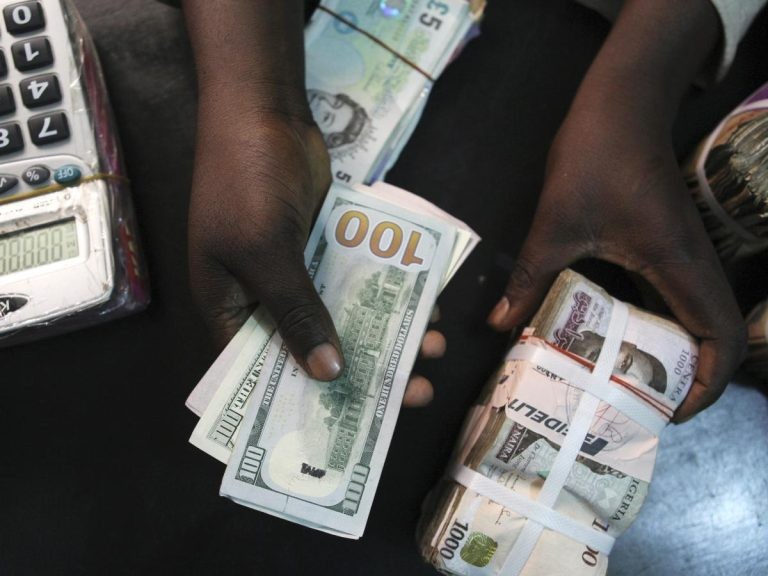
Meanwhile, the dollar traded between ₦1,405 and ₦1,420 in the parallel market, commonly known as the black market, depending on the location and Bureau De Change operator. Rates in the unofficial market typically vary based on demand, supply and transaction volume.
Dollar to Naira Exchange Rate Today (August 6, 2026)
| Market | Buying Rate | Selling Rate |
|---|---|---|
| Official (CBN/NFEM) | ₦1,373.00 | ₦1,373.00 |
| Black Market (Parallel Market) | ₦1,405 | ₦1,420 |
Exchange rates may vary across banks, Bureau De Change operators and locations.
The gap between the official and parallel market exchange rates continues to reflect the difference in demand and supply across Nigeria’s foreign exchange markets. While the official market is regulated by the Central Bank of Nigeria, rates in the parallel market are determined by prevailing market conditions.
The CBN has continued to implement measures aimed at improving liquidity and promoting stability in the foreign exchange market. Analysts say factors such as foreign exchange inflows, importer demand, monetary policy decisions and global economic conditions will continue to influence the movement of the naira in the coming weeks.