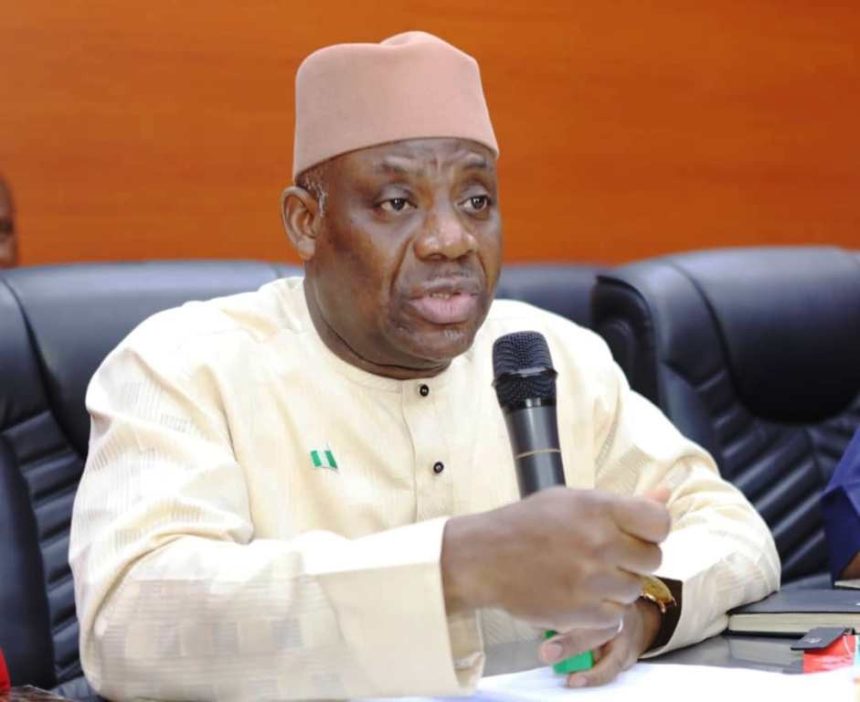
- Alausa Inaugurates NBTE Governing Board, Unveils Fresh TVET Reforms
- New Board to Drive Technical Education Reforms
- Says TVET Critical to Nigeria’s Industrialisation, Inaugurates NBTE Board
The Federal Government has reaffirmed its commitment to repositioning Technical and Vocational Education and Training (TVET) as a key driver of industrialisation, job creation and economic growth with the inauguration of the Governing Board of the National Board for Technical Education (NBTE).
Eko Hot Blog reports that the Minister of Education, Dr. Maruf Tunji Alausa, inaugurated the board in Abuja on Thursday, describing the development as another milestone in the implementation of President Bola Ahmed Tinubu’s Renewed Hope Agenda, which prioritises education and human capital development.
EDITOR’S PICK
- Nearly 30 Years Later, Who Really Knows How Abacha Died?
- Dapo Abiodun, Ipara Is Waiting for Leadership
- Why Every Husband Must Protect His Wife, Even After Death
Alausa said the Federal Government was deliberately shifting Nigeria’s education system from an overreliance on paper qualifications to producing skilled, innovative and globally competitive graduates capable of driving industrial growth, entrepreneurship and national productivity.
Congratulating the chairman and members of the board on their appointments, the minister said they were selected based on their professionalism, integrity and commitment to national service. He expressed confidence that the board would provide the strategic leadership needed to strengthen technical education and accelerate reforms across the sector.
According to him, Technical and Vocational Education and Training is no longer an alternative to university education but a strategic national priority, noting that no country can achieve meaningful industrialisation without a strong pool of technicians, technologists, artisans, engineers and other skilled professionals.
He said the Federal Government had prioritised the sector through sustained investments and reforms aimed at closing the gap between education and industry while equipping students in technical colleges, polytechnics, colleges of education and universities with practical skills for employment and entrepreneurship.
Alausa charged the newly inaugurated board to provide strategic leadership, policy direction and effective oversight while allowing the management of the board to handle its day to day administration.
He also directed the board to accelerate the implementation of the Recognition of Prior Learning framework in partnership with the Industrial Training Fund and other stakeholders to formally recognise and certify the competencies of skilled artisans under the National Skills Qualification Framework.
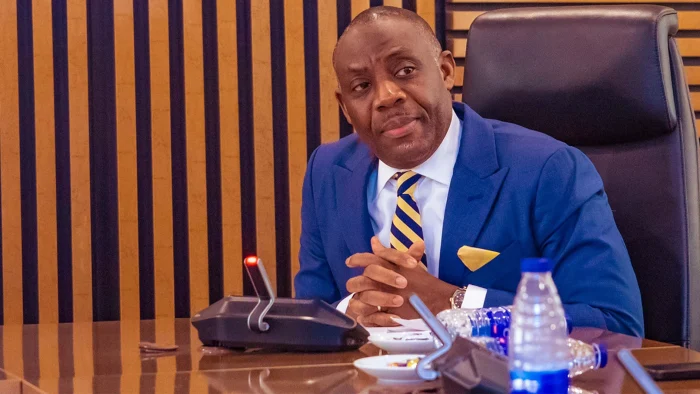
The minister said the initiative would improve employability, expand access to finance, increase opportunities for government contracts and strengthen labour mobility within the ECOWAS region.
On curriculum reform, Alausa called for the adoption of Outcome Based Education, urging institutions regulated by the NBTE to align their programmes with Industry 4.0 by integrating digital technologies, artificial intelligence, automation, green technologies and advanced manufacturing systems into teaching and learning.
He also encouraged polytechnics to strengthen their focus on applied sciences, engineering, technology and innovation while gradually phasing out non technical programmes outside their statutory mandate.
The minister further directed the board to uphold transparency, accountability and prudent management of public resources, ensuring that investments in technical education translate into improved skills acquisition, youth employment, institutional performance and national productivity.
Responding on behalf of the board, its Chairman, Professor Babatunde L. Salako, thanked President Bola Ahmed Tinubu and the Minister of Education for the confidence reposed in the members.
Salako described the inauguration as the beginning of a new chapter for technical education in Nigeria and pledged the board’s commitment to supporting the Federal Government’s reform agenda by expanding access to quality technical education, promoting innovation and developing a new generation of entrepreneurs and skilled professionals.
He also identified changing the long standing perception of technical education as a second choice to university education as one of the board’s immediate priorities, stressing the need for sustained public awareness to encourage more Nigerians to embrace technical and vocational education.
Also speaking, the Executive Secretary of the NBTE, Professor Idris M. Bugaje, described the inauguration of the governing board as a landmark achievement, noting that it was the first time in more than five years that the agency would have a governing board.
Bugaje expressed appreciation to the Minister of Education for inaugurating the board and pledged continued collaboration with the Federal Ministry of Education to implement the administration’s technical education reform agenda.
Alausa urged the board members to see their appointments as a call to national service, saying the future of Nigeria’s technical education system and a significant part of the country’s economic competitiveness would depend on their vision, commitment and leadership.
He reaffirmed the Federal Government’s commitment to strengthening Technical and Vocational Education and Training as a catalyst for industrialisation, innovation, entrepreneurship and sustainable economic growth.Headline Options
FURTHER READING
- Lagos’ Internally Generated Revenue Hits ₦1.17tn in First Half of 2026
- Portable Suffers Second Straight Celebrity Boxing Defeat as Okocha Wins Fight
- Tinubu Assures Nigerians of Guardrails Against State Police Abuse
Click here to watch video of the week