
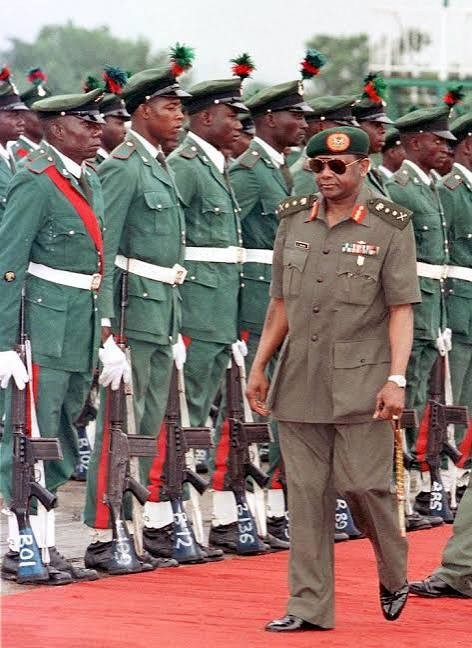
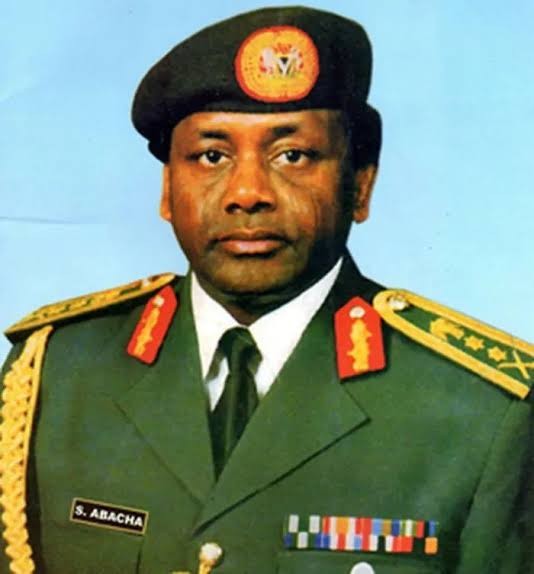
When General Sani Abacha died on June 8, 1998, Nigeria stood still.
EDITOR’S PICK
- What Iya Teaches Africa About Single Motherhood
- SAN Oyinkansola Badejo-Okusanya Emerges New NBA President
- Tenant Docked for Alleged Structural Changes to Rented Flat in Lagos
He was one of the most powerful and feared leaders the country had ever known. During his military administration, political opponents were detained, activists were imprisoned, and many Nigerians lived under an atmosphere of fear. Whether people supported or opposed his government, his sudden death shocked the nation because very few imagined that such a powerful man would die so unexpectedly.

The official government statement attributed his death to a sudden heart failure. However, because no public autopsy was conducted and his body was flown to Kano for burial the same day in accordance with Islamic rites, questions quickly began to emerge. The absence of a publicly available medical report created room for widespread speculation, with many Nigerians and observers advancing different theories about what may have happened in his final hours.
One of the earliest and most popular stories was the famous poisoned apple theory. Many Nigerians grew up hearing that Abacha was given poisoned apples and died after eating them. Although the story spread widely, no official evidence has ever confirmed it.
Another account claimed that Abacha died after spending time with Indian women who were allegedly brought to entertain him at the Presidential Villa. According to that version, he suddenly became ill during the encounter and died. Like the apple story, this claim has remained unproven despite its popularity.
Over the years, several other explanations have surfaced. Some insist he died from natural causes, particularly a heart attack. Others have suggested that foreign intelligence agencies played a role. There have also been conspiracy theories alleging that powerful political interests within Nigeria wanted him removed from power.
Now, another account has entered the conversation.
Retired Assistant Director of the Department of State Services (DSS), Dennis Amachree, has claimed that Abacha died during an intimate encounter with a woman in the early hours of June 8, 1998.
Amachree made the claim in his 348 page memoir, DSS @40: My Journey Behind the Shield. According to him, he participated in the investigation that followed Abacha’s sudden death and dismissed many of the conspiracy theories that have circulated over the years.
Yet, even this latest account has not ended the debate.
Hamza Al-Mustapha, Abacha’s former Chief Security Officer and one of the closest men to the late military ruler, has consistently maintained that the various stories Nigerians have heard are not correct. According to him, he knows exactly what happened because he was there and possesses the complete account of the events surrounding Abacha’s final hours.
That leaves Nigerians asking another question.
If those who truly know what happened are still alive, why has the country continued to rely on rumours, speculation and conflicting accounts for almost three decades?
History deserves facts. Students should not have to read different versions of the same event without knowing which one is accurate. Nations become stronger when they preserve truthful records of their past.
At the same time, there is another side to this conversation.
If those who possess the full account genuinely believe that revealing it today would threaten Nigeria’s peace, reopen dangerous old wounds or even trigger serious national unrest, then they must carefully weigh the consequences. No historical revelation is worth pushing a country towards violence.
For ordinary Nigerians, what matters most is peace and national unity.
Beyond all the theories, one truth remains certain: every human being will one day taste death. No one knows the exact day they will die, where they will die, who will be with them at that moment or how death will eventually come. Death is a reminder that power, wealth and influence cannot make anyone immortal.
Perhaps one day the complete truth about General Sani Abacha’s death will become part of Nigeria’s history. But if revealing that truth would only divide the country or lead to conflict, then maybe it is better left untold.
Until then, Nigerians can only separate proven facts from rumours, leave judgment to history and remember that, in the end, every life has an appointed time known only to God.