Nigeria’s autistic children and their families may finally be getting the support system they have long been denied, as a new federal committee moves to close the country’s shortage of therapists trained to work with them.
The initiative is being driven by Minister of Education, Dr Tunji Alausa, and Dr Victoria Amu, who now chairs the National Committee for the Advancement of Occupational Therapy, Audiology, and Speech Therapy Education (NCAOTASTE).
EDITOR’S PICKS
At the heart of the committee’s purpose is the acknowledgement that the existing system was failing autistic children and that it was time to change that through the establishment of new therapy centres and training of new professionals.
The Background: A Crisis Alausa Says Can No Longer Wait
Alausa set the stage for the committee’s mission when he inaugurated it in March. In a post on X at the time, he laid bare the scale of the problem: children with autism unable to access speech therapy, stroke patients unable to get rehabilitation, and families searching for care that does not exist.
“In Nigeria today, too many children are struggling in silence,” he wrote, adding: “We face a critical shortage of professionals in occupational therapy, speech therapy, and audiology — and far too few programmes training them.”
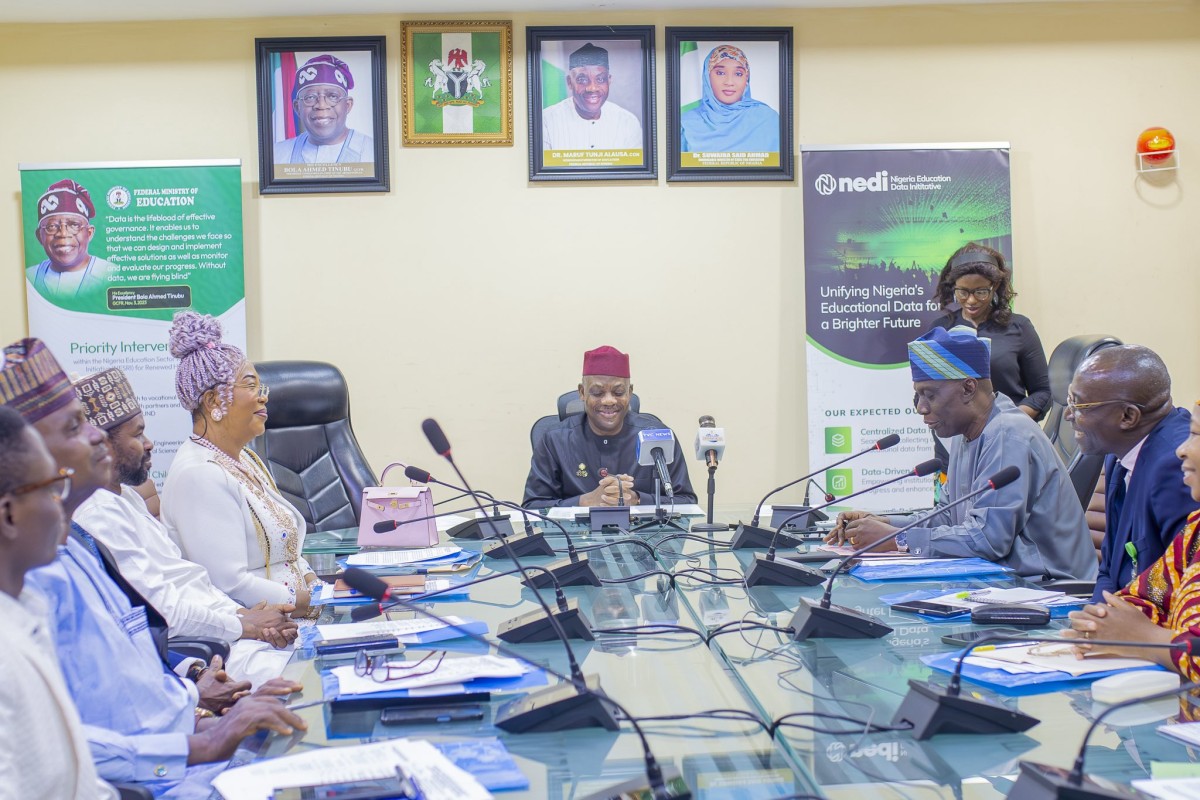
His response was to inaugurate NCAOTASTE, tasking it with expanding degree programmes, strengthening clinical training and standards, and working with the Medical Rehabilitation Therapists Registration Board of Nigeria, the National Universities Commission and TETFund to scale training nationwide.
He credited Amu with championing the cause for over 20 years, insisting the effort goes beyond curriculum reform: “It is about dignity, inclusion, and access to care.”
What The Committee Is Actually Doing
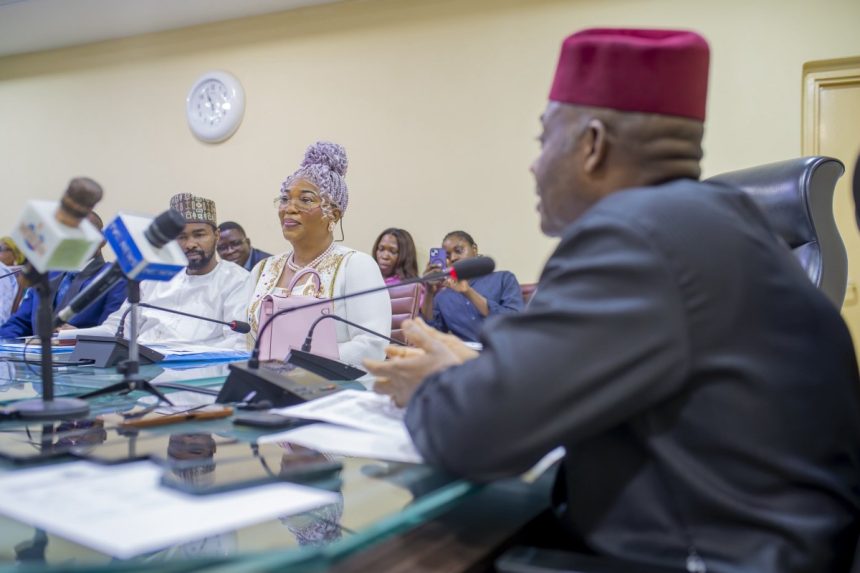
Speaking to TVC News on Thursday, Amu, whom Alausa invited to Nigeria to share her expertise on autism care, detailed how the plan is expected to work on the ground.
At its centre are six autism centres, one for each geopolitical zone, funded through TETFund and domiciled inside universities rather than standing alone as isolated facilities.
“Six regional centres, autism centres, in the six geopolitical zones is a great achievement,” she told TVC, noting no previous administration had attempted anything similar.
That link to universities is intentional. Alausa has made it mandatory for universities to establish occupational therapy, speech therapy and audiology programmes, so the centres will sit in institutions already training the workforce needed to staff them. Amu, a member of Eko Club San Antonio known for medical outreach in Lagos and elsewhere, said the centres would offer full rehabilitation services, including occupational therapy, audiology, speech therapy, physiotherapy, and prosthetics and orthotics, alongside psychologists and nurses, and would double as research and learning hubs.
She said before now, occupational therapy training was confined to just two universities, Obafemi Awolowo University (OAU), Ile-Ife, and the Federal University of Technology, Owerri (FUTO), leaving Nigeria with a severe shortfall of specialists for a country of over 200 million people, more than half of them children.
“The population of children with disorders is humongous,” she said, describing the current gap in trained personnel as untenable at that scale.
Why It Matters
Amu explained what that shortfall has meant. Without enough trained professionals, autistic children and others with neurodevelopmental disorders have gone without support to reach developmental milestones that would let them attend mainstream schools. Instead, many end up out of school entirely, and some visibly among the children begging on Nigeria’s streets.
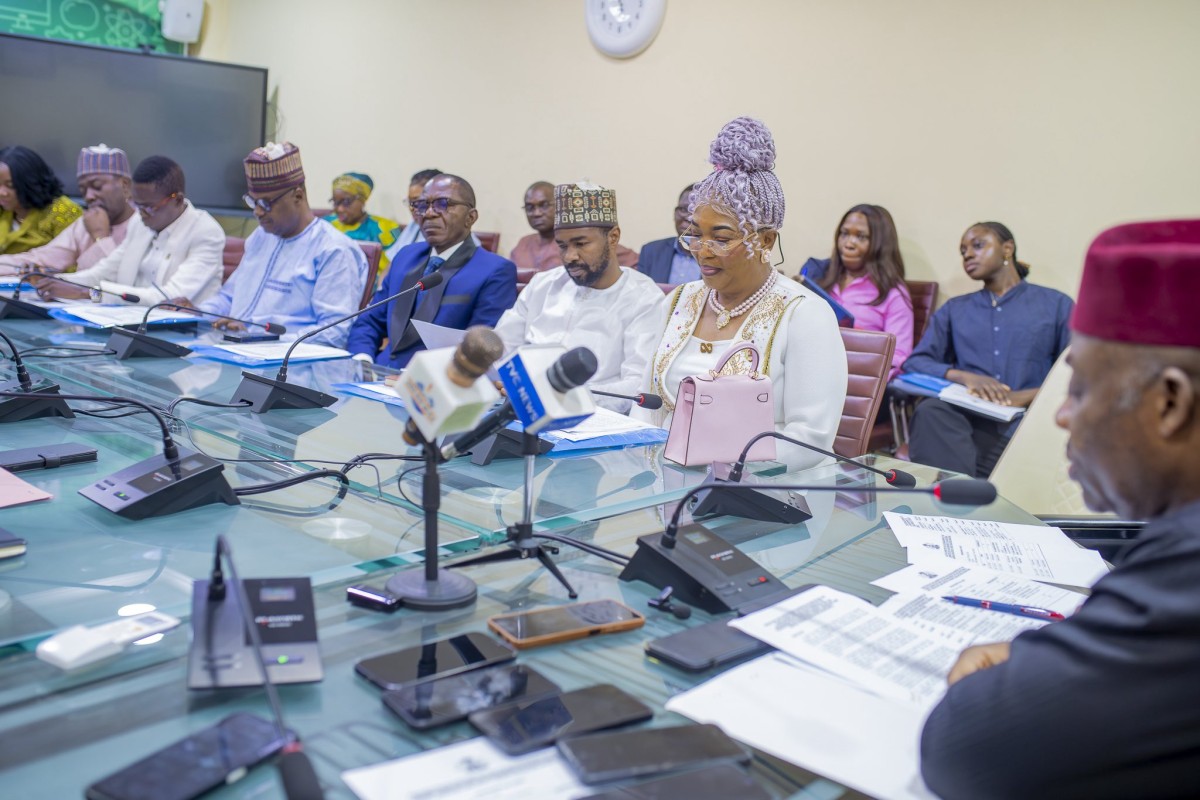
She pushed back on the idea that disability should permanently limit a child’s life. “Because your child has disability does not mean your child cannot live an independent life,” she said, adding that with the right support such children can still marry and raise families of their own. Closing the professional gap, she argued, is what stands between children with disabilities and independence, education and full participation in society.
The shortage has also pushed many Nigerian-trained therapists abroad, further shrinking the pool of specialists available locally.
What Amu Wants To See Next
Beyond the announcement, Amu wants the centres built out fully, with real infrastructure, equipment and, above all, trained personnel, not left as facilities that exist on paper alone.
She said Alausa has committed to having all six operational before the end of the year, and her committee is now calling on universities running these programmes to indicate interest in hosting one. Reflecting on the scale of change ahead, she said: “This is going to take us from the bottom end to the highest level.”
Alausa struck a similar note in his own statement: “We are closing a gap that affects real lives — and building a system that works for every Nigerian.”
FURTHER READING
For now, the initiative marks a rare case of coordinated federal action for a population largely invisible in Nigeria’s health and education planning. Whether it delivers depends on how quickly infrastructure and staffing follow, and whether more universities answer Amu’s call before the year runs out.
Philip Ibitoye is a Special Correspondent with EKO HOT BLOG. Click here to find daily analysis and critical insight on trending issues in Lagos and other parts of Nigeria.
Click to watch the video of the week below: