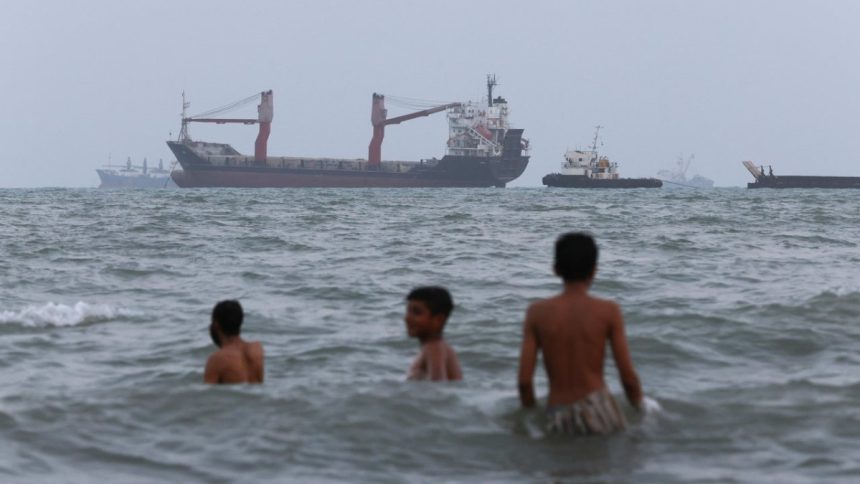
- Iran struck an Abu Dhabi-owned oil tanker in the Strait of Hormuz, with no injuries reported.
- Israeli airstrikes killed 11 people in southern Lebanon amid renewed tensions with Hezbollah.
- The US is preparing to replace the USS Abraham Lincoln after nearly nine months of deployment.
Iran has struck another oil tanker in the strategically important Strait of Hormuz as tensions across the Middle East escalate, while Israel has intensified attacks in southern Lebanon.
Eko Hot Blog reports that the United Arab Emirates said an Iranian strike on Friday hit an oil tanker belonging to the state-owned Abu Dhabi National Oil Company, also known as ADNOC. The attack damaged the vessel’s hull, but no injuries were reported.
EDITOR’S PICK
- How Lagos Achieved 57.4% Exclusive Breastfeeding Rate
- Shaibu Lists Nigeria’s Biggest Security Challenges
- Vote, Protect Your Mandate, Governor Adeleke Urges Residents Ahead of August 15 Polls.
The incident marks another escalation around the Strait of Hormuz, a critical global energy route through which a significant portion of the world’s oil supply passes.
The latest strike comes amid continued military confrontation involving Iran and Israel, with shipping in and around the Gulf facing heightened risks.
Meanwhile, Israel carried out two airstrikes in southern Lebanon on Saturday, killing 11 people in what were described as some of the deadliest attacks since a fragile truce was reached between Israel and Iran-backed Hezbollah.
Israeli authorities said the strikes targeted Hezbollah positions and accused the militant group of using civilians as human shields. The attacks have raised fresh concerns over the durability of the ceasefire and the possibility of renewed fighting along the Israel-Lebanon border.
The developments came as the United States continued its military operations in the Middle East.
The head of US Central Command, which oversees American military operations across the region, visited troops aboard the USS Abraham Lincoln on Saturday, according to the Pentagon.
The aircraft carrier has been deployed in the region for nearly nine months and is expected to be replaced by the USS George Washington.
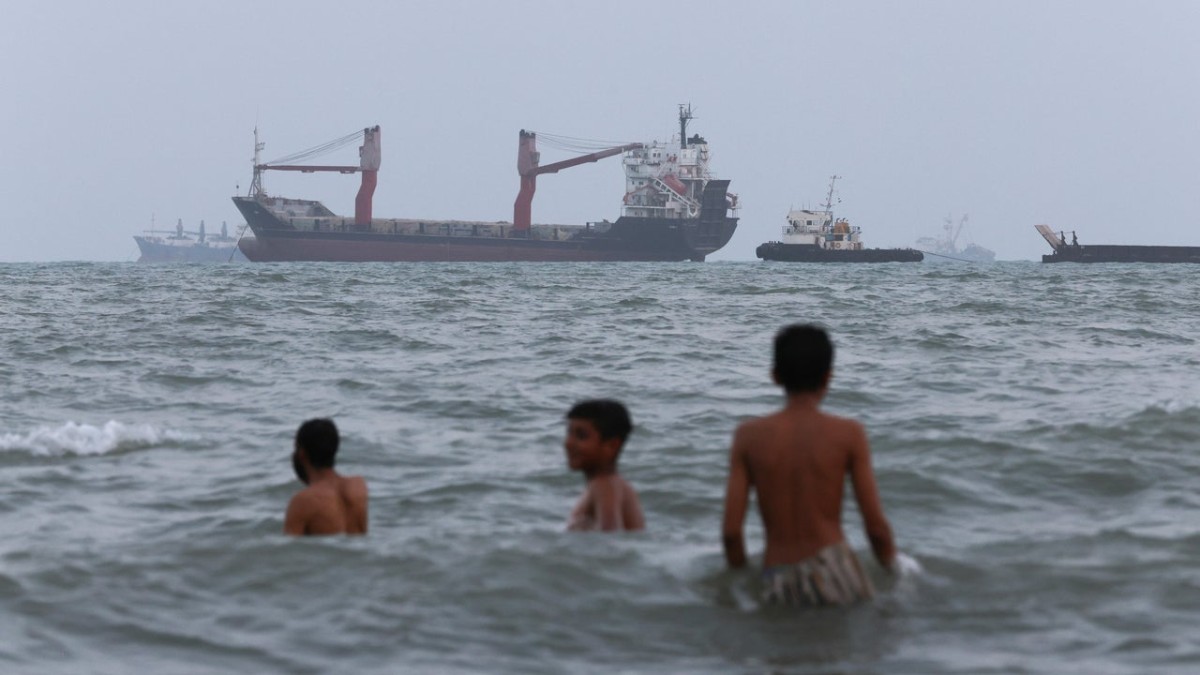
The visit comes after families of some service members expressed concern about mental health struggles among troops stationed aboard the carrier in recent weeks.
The growing tensions have placed additional pressure on military forces and commercial shipping operating in the region, particularly around the Strait of Hormuz, where any disruption could have significant consequences for global energy markets.
With Iranian attacks on shipping continuing and Israel stepping up operations in Lebanon, fears are mounting that the wider conflict could further destabilise the Middle East and threaten critical international trade routes.
FURTHER READING