- Eid-ul-Maulud: Six Things You Should Know About the Celebration
- FG urged Muslims and other Nigerians to use the occasion to pray for peace, progress and unity across the country
- It’s marked as a time for reflection
The Federal Government has declared Tuesday, August 25, 2026, a public holiday to mark this year’s Eid-ul-Maulud celebration.
Eko Hot Blog reports that the holiday coincides with the 12th day of Rabiul Awwal 1448 A.H., which is traditionally observed by many Muslims to commemorate the birth of Prophet Muhammad (SAW).
EDITOR’S PICK
- Dabiri-Erewa Celebrates ‘London Bus Aunty’ Over London Transport Honour
- 2027: Tinubu Charges APC Campaign Council to Showcase Achievements, Defeat Opposition
- Lagos Explains Delay in Replacing BRT Buses Destroyed During #EndSARS
The Federal Government also urged Muslims and other Nigerians to use the occasion to pray for peace, progress and unity across the country.
Here are six things to know about Eid-ul-Maulud:
1. It is observed on 12th Rabiul Awwal
Eid-ul-Maulud, also known as Maulud Nabiyy, is observed by many Muslims on the 12th day of Rabiul Awwal, the third month of the Islamic Hijri calendar. The corresponding date on the Gregorian calendar changes every year.
2. It commemorates the birth of Prophet Muhammad
The celebration marks the birth of Prophet Muhammad (SAW) in Makkah. Muslims believe he was the final prophet sent by Allah to guide mankind.
3. It is celebrated differently
The way Eid-ul-Maulud is observed differs across countries and Muslim communities. Some communities organise public gatherings, lectures, processions and cultural activities, while others mark the day quietly through prayers and religious teachings.
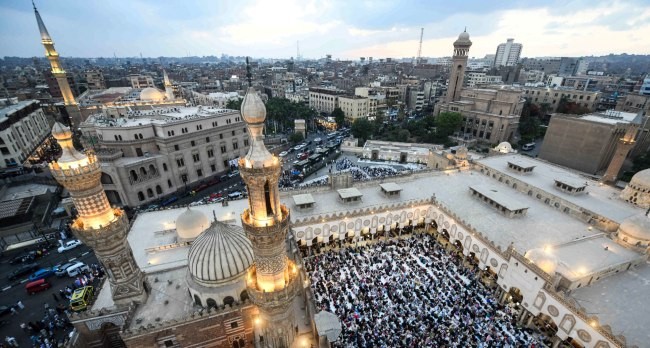
4. It is a time for reflection
For many Muslims, the occasion provides an opportunity to reflect on the life and teachings of Prophet Muhammad (SAW), particularly his emphasis on kindness, compassion, patience, justice and peaceful coexistence.
5. Muslims have different views about the celebration
The observance of Eid-ul-Maulud is subject to different opinions among Muslims. While some consider it a way of honouring and remembering the Prophet, others regard the practice as an innovation in Islam and therefore do not observe it.
6. Religious organisations use the occasion for teaching
Islamic schools, mosques and religious organisations often organise lectures and educational programmes during the period to teach Muslims about the life, character and message of Prophet Muhammad (SAW), while promoting peace, unity and harmony.
FURTHER READING
- ‘Irregular Migration Is Voluntary Suicide’ – Dabiri-Erewa Warns Nigerians
- ‘Kill Him!’ Disu Reveals Shocking Request From Retired Soldier Over Son
- Sanwo-Olu Presents Staff of Office to New Onise of Ise Kingdom
Click here to watch video of the week