- Abuja-Kaduna Train Service to Resume
- Refunds had already been processed for 512 of the 583 passengers on board
- Details of the official restart date and train schedules are expected to be released
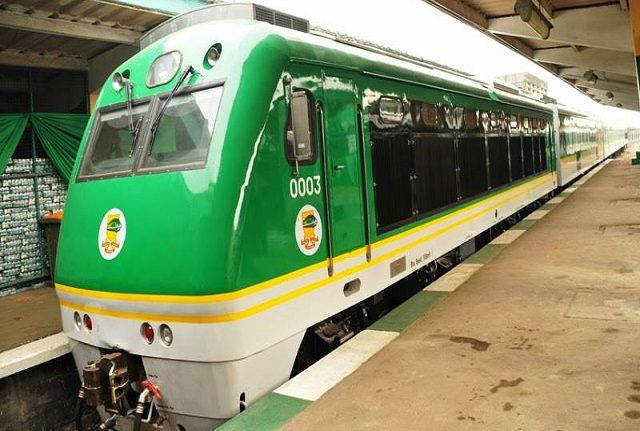
The Nigerian Railway Corporation (NRC) has announced that the Abuja-Kaduna passenger train service will resume operations next week, following the completion of repair works and safety checks on the track section at Asham.
Eko Hot Blog gathered that the train service was suspended on August 26 after a derailment incident forced the corporation to halt operations on the busy corridor.
EDITOR’S PICKS
- The Past Is Gone, I Forgive and Move On – Jonathan
- Spotify Names Ayra Starr Top Female Force in Afrobeats
- Fela Didn’t Inspire Me – Burna Boy
EKO HOT BLOG reports that in a statement issued on Saturday, the NRC’s Chief Public Relations Officer, Callistus Unyimadu, said the management worked tirelessly to restore infrastructure and rolling stock in line with global safety standards.
“The Nigerian Railway Corporation is pleased to announce the resumption of the Abuja-Kaduna passenger train service next week, after successful repairs and safety inspections at the affected track section.
Since the suspension, the corporation has taken all necessary steps to guarantee passenger safety and service reliability,” the statement read.
Unyimadu noted that refunds had already been processed for 512 of the 583 passengers on board the affected train, with efforts ongoing to reach the remaining passengers. He appreciated commuters for their patience, adding that safety, comfort, and satisfaction remain the NRC’s top priorities.
The corporation also acknowledged the support of the Federal Ministry of Transportation, security agencies, the media, and other stakeholders in the recovery process. Details of the official restart date and train schedules are expected to be released in the coming days.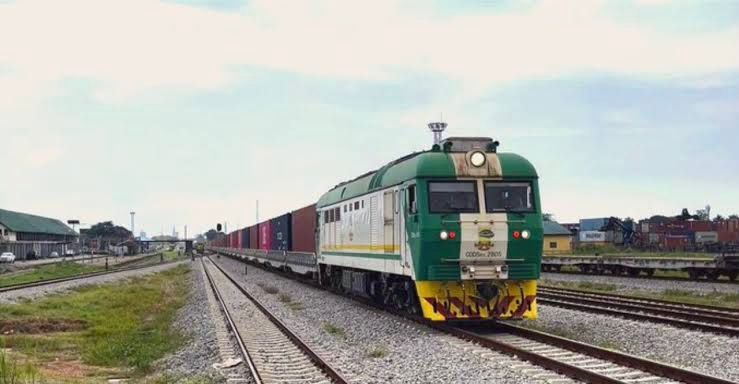
The August derailment occurred shortly after the train departed Abuja at about 11 a.m. en route to Kaduna. Preliminary findings by the Nigerian Safety Investigation Bureau revealed that poor maintenance and a faulty track switch were major causes of the incident, compounded by inadequate refresher training for NRC personnel and limited access to essential spare parts.