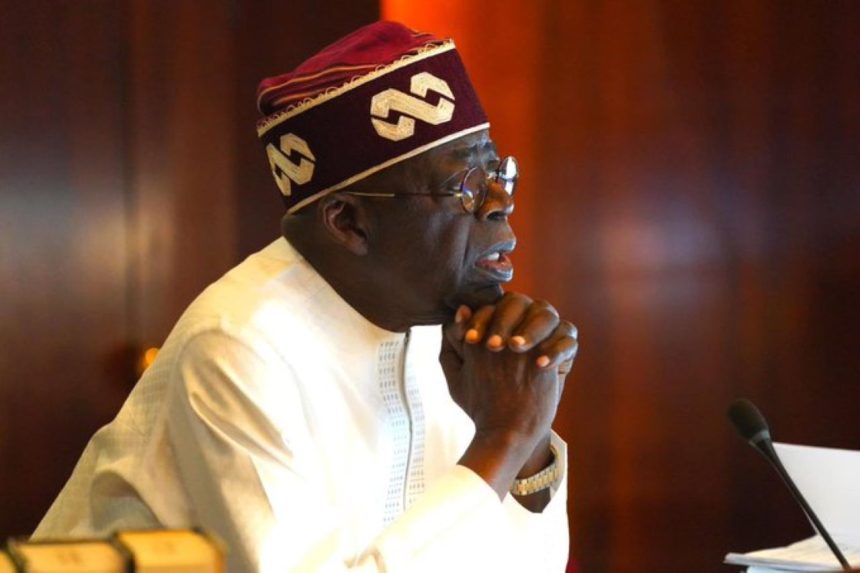
- Africa Must Have Permanent UNSC Seats, Tinubu Tells EU Leaders in Angola
- Called for pragmatic solutions to irregular migration
- Urged the European Union to co-create peace and security strategies rooted in African-led frameworks
Nigeria has renewed its demand for comprehensive reform of the United Nations Security Council, insisting that Africa must secure permanent seats with full veto powers in the global governance structure.
Eko Hot Blog reports that President Bola Tinubu, represented by Vice President Kashim Shettima, made the call on Monday during the first plenary session on Peace, Security, Governance and Multilateralism at the 7th African Union–European Union Summit in Luanda, Angola.
EDITOR’S PICK
- Gana Warns Kidnappers Using Students as Shields
- Senator Katung Explains Defection to APC
- Immaculate Conception Catholic Church, Ibonwon, Celebrates Christ the King Feast
The President urged the European Union to co-create peace and security strategies rooted in African-led frameworks, noting that sustainable stability requires genuine partnership and regional ownership.
Tinubu highlighted the complex security challenges facing Africa ranging from armed conflicts and illicit weapons flows to climate pressures, irregular migration and political instability, stressing that they require stronger cooperation with global partners.
“It is time for Africa to occupy permanent seats on the UN Security Council, with all attendant privileges, including the veto. Genuine text-based negotiations under the Intergovernmental Negotiations framework must now commence. We hope EU Member States will support Africa’s long-standing and legitimate call for UN reform,” he said.
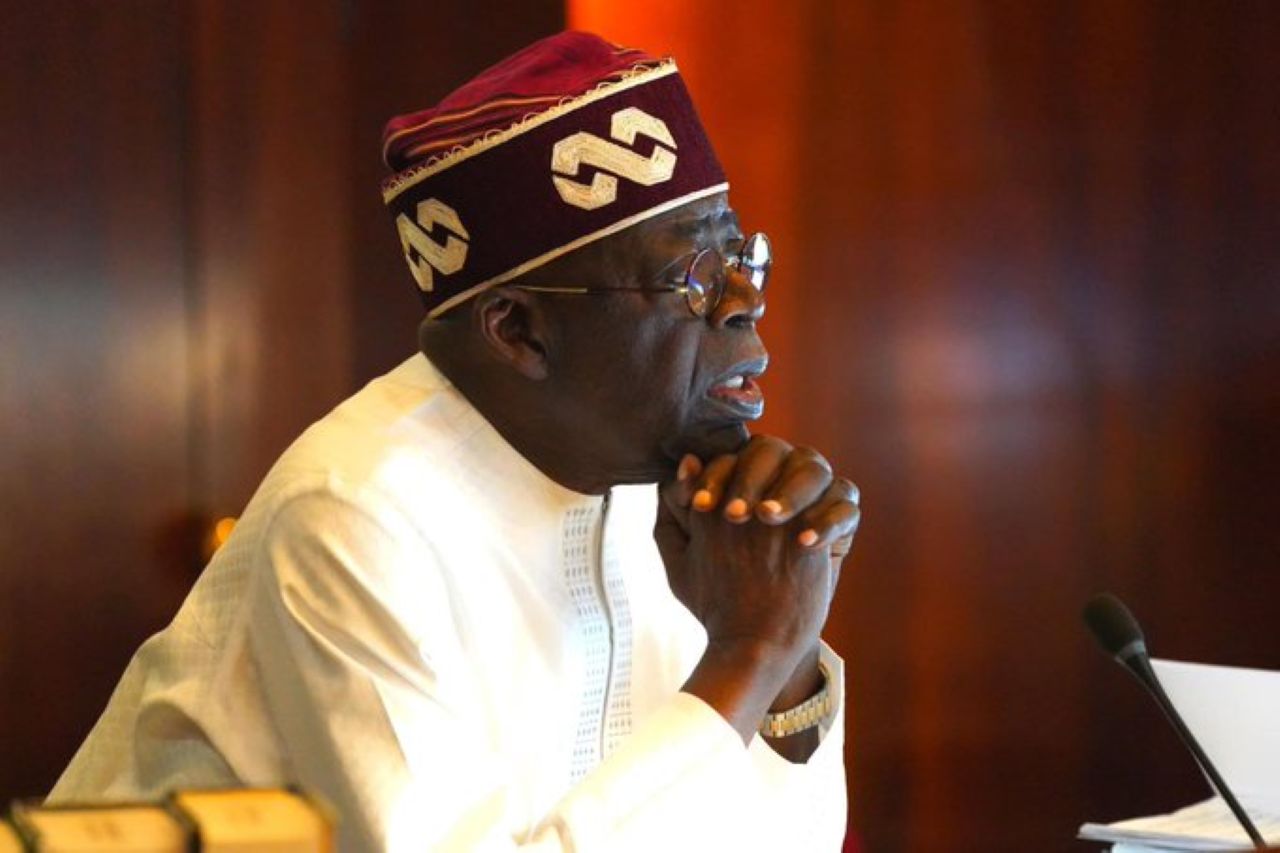
Reflecting on Nigeria’s security experience, the President noted that regional instability continues to fuel terrorism, insurgency, banditry and transnational organised crime. He cited Nigeria’s kinetic and non-kinetic strategies, including the Multinational Joint Task Force in the Lake Chad Basin, as a model for African-led regional security cooperation.
“As of early 2025, over 120000 Boko Haram-affiliated individuals, including family members, have surrendered,” he disclosed, adding that the recent Sea-Lift Agreement between the Nigerian Navy and the AU Standby Force further strengthens Africa’s rapid deployment capabilities for peacekeeping and humanitarian missions.
Tinubu acknowledged the EU’s contribution to the African Peace and Security Architecture since 2002 but stressed that peace interventions must reflect African priorities. External solutions, he warned, cannot succeed without strong regional ownership.
He also called for pragmatic solutions to irregular migration, arguing that criminalising mobility has worsened insecurity. He proposed structured labour pathways, including Nigeria’s Technical Aid Corps and Business Process Outsourcing opportunities, as alternatives that would channel Africa’s young workforce into Europe’s labour market.
“Seasonal mobility has underpinned West African civilisation for centuries. The ECOWAS Protocol on Free Movement simply acknowledges this reality. Our task is to convert mobility into safe, orderly and productive pathways,” he said.
On the resurgence of Unconstitutional Changes of Government in Africa, Tinubu warned that such disruptions undermine the foundations of the African Union. He linked many of the incidents to external pressures that distort political systems and deepen fragility.
He noted that Nigeria and neighbouring countries have responded through the Regional Partnership for Democracy, designed to strengthen constitutional order, counter extremist narratives, address disinformation and support institutional reforms across West Africa.
Citing more than 40000 deaths and 12 million displaced in Sudan, the President welcomed renewed diplomatic pressure but insisted that external actors fuelling the conflict must be held accountable.
He also urged sustained international engagement in South Sudan to ensure full implementation of the Revitalised Peace Agreement ahead of the 2026 elections.
Reaffirming Nigeria’s opposition to the use of private military and security companies in African conflicts, Tinubu said their presence often complicates peace processes and undermines national sovereignty.
He described the EU as a crucial platform for continent-to-continent partnership at a time when global commitment to multilateralism is weakening. Nigeria, he reaffirmed, remains committed to promoting peace, security and democratic governance across Africa.
He also expressed gratitude to the Government of Angola for its hospitality and to the EU for its continued support to the African Union’s peace and security efforts.
FURTHER READING
- 38 Abducted Kwara Church Members Regain Freedom
- Nigeria’s Security Struggles: Intelligence Failures, Insider Sabotage, and the Renewed Fight Under Tinubu
- Education District III Holds Orientation for Newly Recruited Teachers, Charges Them on Professionalism and Purpose
Click here to watch video of the week