- Awori Youth Council calls for stronger indigenous representation in Oshodi-Isolo Federal Constituency II
- Community leaders say indigenes better understand local culture, traditions, and developmental needs
- Stakeholders urge greater political inclusion and grassroots-focused leadership ahead of future elections
Concerns over political representation and indigenous participation took center stage in Lagos on Saturday as members of the Awori Youth Council (AYC) called for stronger inclusion of Awori indigenes in the leadership of Oshodi-Isolo Federal Constituency II.
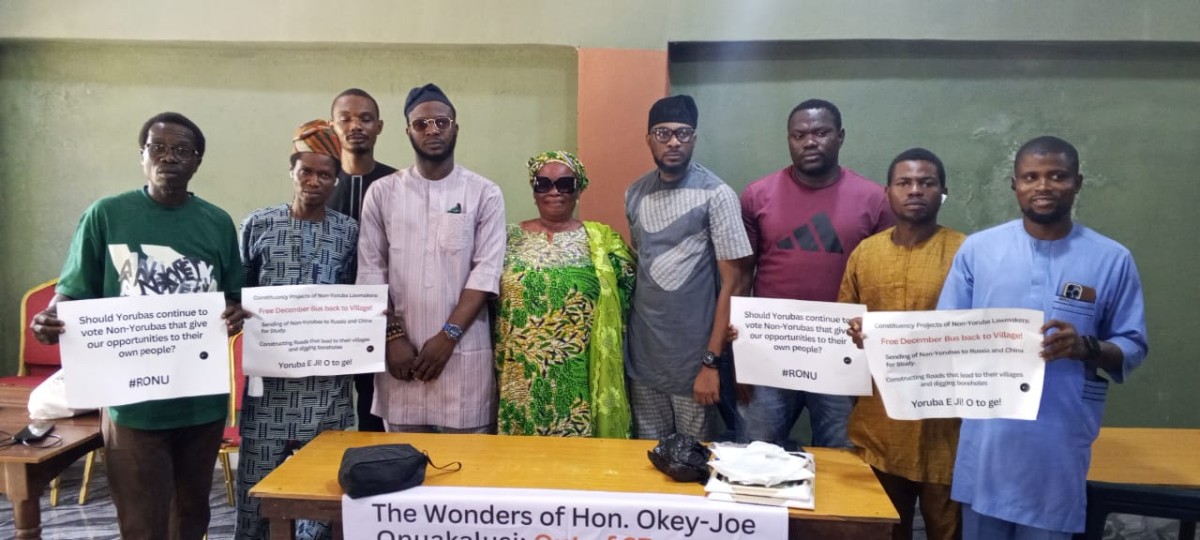
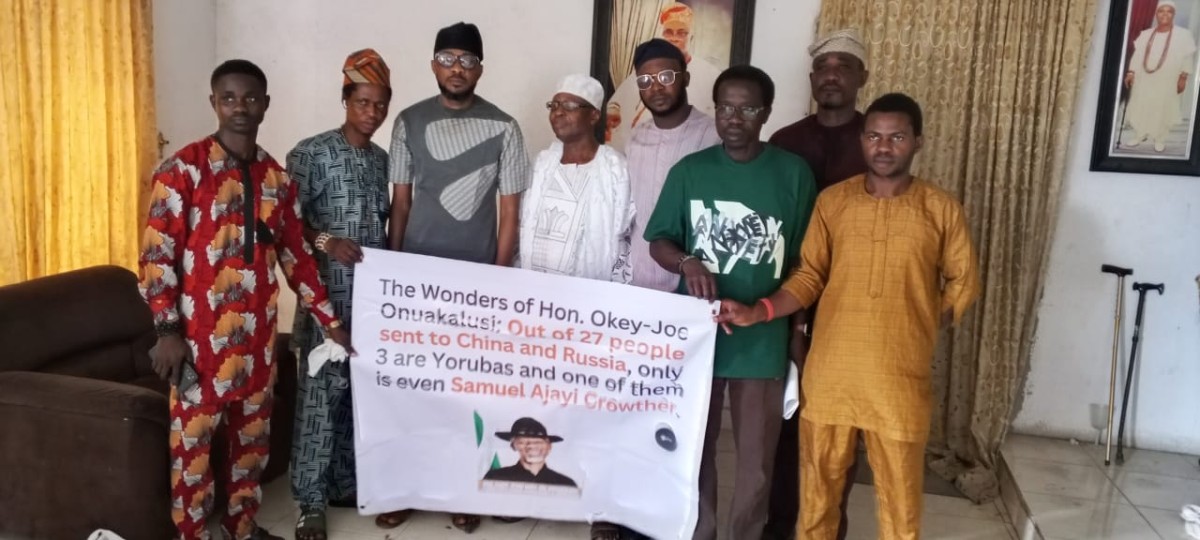
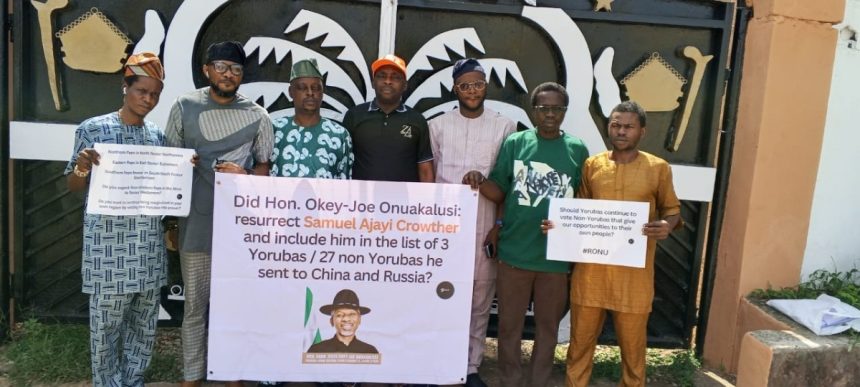
Eko Hot Blog reports that the concerns were raised during a visitation by the council to the old Osolo Palace, where community leaders, market representatives, and traditional stakeholders discussed what they described as the growing marginalization of Awori people within the constituency’s political structure.
EDITOR’S PICK
- 10 Nigerians Convicted in US Over $125m Internet Fraud Scheme
- Ikeja Electric Implements Load Shedding Amid Power Shortage
- Body of Man Killed by Police in Delta Not Missing – Police Command
Speaking during the engagement, the Convener of the council, Olanrewaju Eboda, expressed dissatisfaction over the increasing involvement of non-indigenes in key political positions within the constituency.
According to him, indigenous representation remains important because indigenes possess deeper understanding of the culture, traditions, history, and developmental priorities of the community.
“The people who truly understand our heritage and local realities should be at the forefront of leadership within the constituency,” he stated.
Eboda specifically referenced the current representation of Oshodi-Isolo Federal Constituency II, arguing that the Awori people deserve leaders who are more connected to the grassroots and familiar with the aspirations of the indigenous population.
Also speaking at the gathering, the Iyaloja of Isolo Market, Muinat Agbabiaka, said many Awori indigenes believe they have not adequately benefited from federal representation over the years.
She maintained that the constituency requires leadership that better understands the language, culture, and everyday challenges of the people.
While expressing concerns over federal representation, she commended the Chairman of Isolo LCDA, Bayo Olasoju, for what she described as impactful grassroots governance and community-focused empowerment programmes.
Community leader Olushola Goloba also spoke on the need for greater inclusion of Awori indigenes in governance, noting that many residents believe indigenous communities deserve stronger political participation and developmental attention.
He further appealed to relevant authorities to ensure the completion of the ongoing Isolo Palace project, stressing the importance of preserving cultural heritage and improving community infrastructure.
In his remarks, the Baale of Okota Kobolu, Jimoh Aregbesola, urged Awori indigenes to remain united and politically conscious ahead of future elections.
He encouraged Yoruba communities to support indigenous candidates capable of advancing the interests of Awori people at various levels of government.
Earlier, the Director of the Awori Youth Council, Paul Arowolo, said the council believes stronger indigenous participation in governance would promote better understanding of community needs and strengthen grassroots development.
The meeting ended with renewed calls for political inclusion, cultural preservation, and increased developmental attention to indigenous communities within Oshodi-Isolo Federal Constituency II.