- He said lasting success against insecurity would require a change in public attitude
- The minister stressed that intelligence from citizens remains one of the most effective tools in combating insecurity
- Saraki said democratic governance is strengthened when lawmakers critically assess government proposals
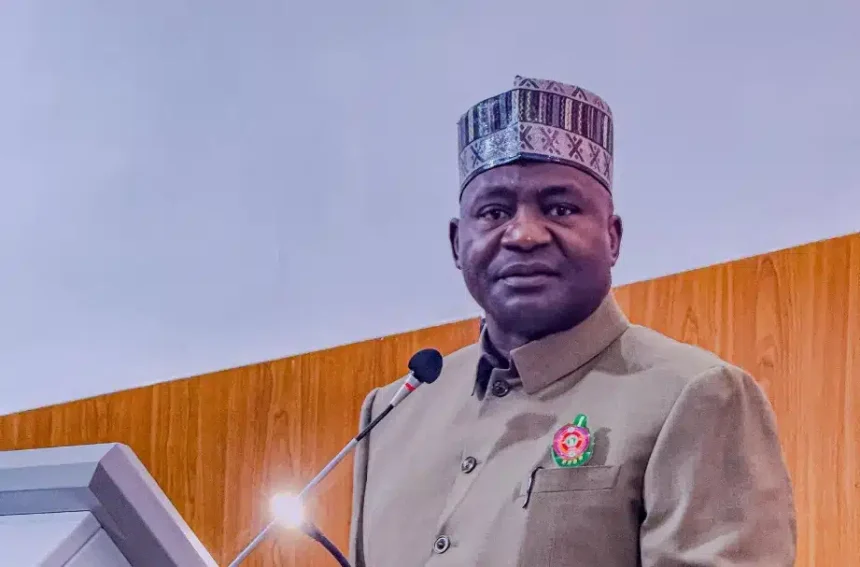
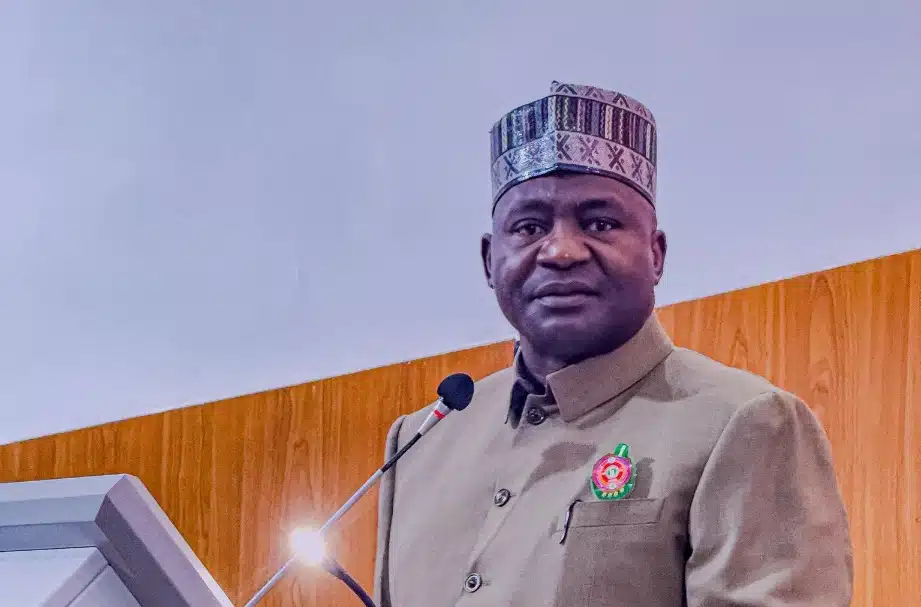
The Minister of Defence, Christopher Musa, has said the battle against terrorism, kidnapping and banditry cannot be won by security agencies alone, warning that criminal groups continue to thrive because they receive assistance from people within local communities.
Eko Hot Blog reports that Musa made the remarks on Friday while speaking at the 2026 edition of The Platform Nigeria, a public policy forum organised as part of activities marking Democracy Day.
EDITOR’S PICK
- Federal Lawmaker Yaya Tongo Dies In Abuja Hospital
- Rep. Wale Raji Celebrates Alhaja Aduke Salimot Seriki on Birthday
- Nancy Isime Recalls Alex Ekubo’s Fearless Humor, Generosity at Late Actor’s Tribute
During a session on governance, democracy and security, the minister argued that the activities of armed groups are sustained by individuals who provide them with critical support, including intelligence, transportation, supplies and funding.
According to him, efforts by the military and other security agencies are often undermined when residents knowingly or unknowingly assist criminals operating in their areas.
He said lasting success against insecurity would require a change in public attitude, urging Nigerians to actively cooperate with security agencies and reject any form of collaboration with criminal elements.
Musa noted that modern security threats are particularly challenging because the perpetrators are often hidden within communities, making them harder to identify than enemies in traditional warfare.
He explained that unlike conventional conflicts where opposing forces are clearly known, insurgents, terrorists and bandits frequently blend into civilian populations and rely on local connections to evade detection.
The minister stressed that intelligence from citizens remains one of the most effective tools in combating insecurity, adding that public cooperation could significantly improve ongoing security operations across the country.
He also appealed to Nigerians to remain united, warning that divisions within society create opportunities for criminal groups to exploit tensions and weaken collective efforts against insecurity.
Speaking at the same event, former Senate President Bukola Saraki highlighted the need for a legislature that can independently carry out its constitutional duties.
Saraki said democratic governance is strengthened when lawmakers critically assess government proposals and hold public institutions accountable.
He maintained that the National Assembly must function as an effective oversight institution rather than merely endorsing executive decisions, noting that legislative independence is essential for transparency and public trust.
The former Senate President added that a strong parliament contributes to the credibility of government by ensuring that policies and decisions are subjected to proper scrutiny before implementation.
FURTHER READING