- Ex-Speaker blasts Buhari govt.
- Says illegal printing fueled inflation.
- Demands accountability for policy failures.
Yakubu Dogara says the Buhari administration’s printing of ₦22.7 trillion wrecked Nigeria’s currency.
According to *Eko Hot Blog*, the former Speaker of the House of Representatives made this known while speaking on Nigeria’s current economic crisis.
He said the massive funds printed by the Central Bank of Nigeria (CBN) during the previous administration were unconstitutional and reckless, warning that the effect is what citizens are suffering today through spiraling inflation and a weak naira
EDITOR’S PICKS
- Trump Files $15bn Lawsuit Against New York Times
- Airline Operators Commend FG for Suspending 4% Import Levy
- Lagos: UBA branch, Offices Hit as Fire Guts Building in Marina
EKO HOT BLOG reports that Dogara explained that the so-called “Ways and Means” financing, which saw trillions injected into the economy without parliamentary approval, was not just an economic miscalculation but an outright violation of fiscal responsibility
He stressed that the uncontrolled printing of money created artificial liquidity that destroyed the value of the naira and eroded the purchasing power of millions of Nigerians.
He pointed out that the reckless spending widened inequality, as ordinary citizens bore the brunt of rising food prices, high fuel costs, and unaffordable living standards.
According to him, the policy failed to create jobs or stimulate production but only deepened poverty.
The former Speaker also linked the reckless money printing to Nigeria’s ballooning debt profile, saying it pushed the country into deeper financial distress.
He warned that unless lessons are learned and corrective measures are implemented, the current economic reforms may not deliver lasting relief.
Dogara therefore called for accountability, insisting that those who made such damaging decisions should not escape responsibility.
He urged the present administration to adopt strict financial discipline, reduce dependence on deficit financing, and strengthen oversight of monetary policies to avoid a repeat of the past mistakes.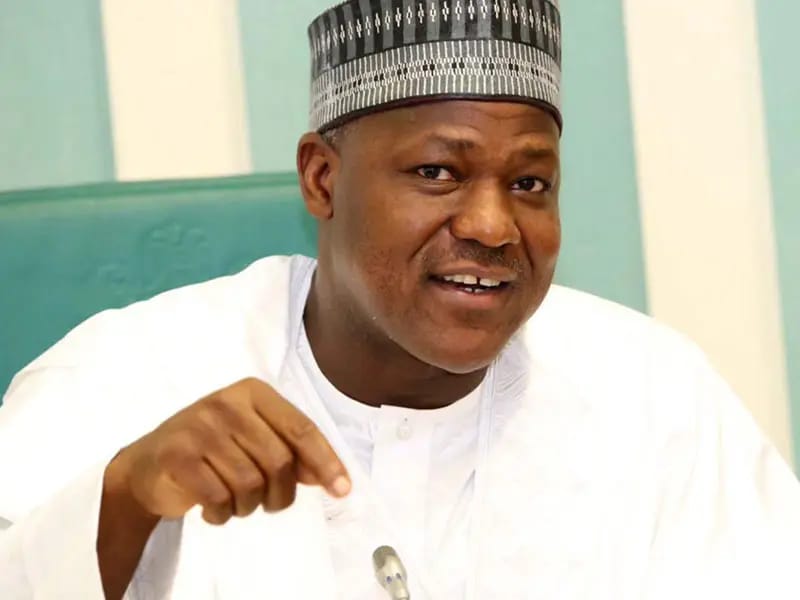
His remarks have since fueled public debate, with economists and civic groups echoing his concerns. Many argue that Nigeria’s economic woes are rooted in years of poor fiscal management, weak governance, and policy recklessness.
Dogara’s comments, they say, have put the spotlight once again on the urgent need for accountability and genuine reforms if Nigeria is to restore stability to its currency and economy.