- He urged Nigerians to prioritise healthier habits by reducing sugary, alcoholic and energy drinks
- He dismissed claims that energy drinks improve intelligence or mental performance, pointing out that excessive consumption has been linked to anxiety
- According to him, excessive intake of energy drinks can heighten the risk of hypertension, diabetes, heart disease and stroke
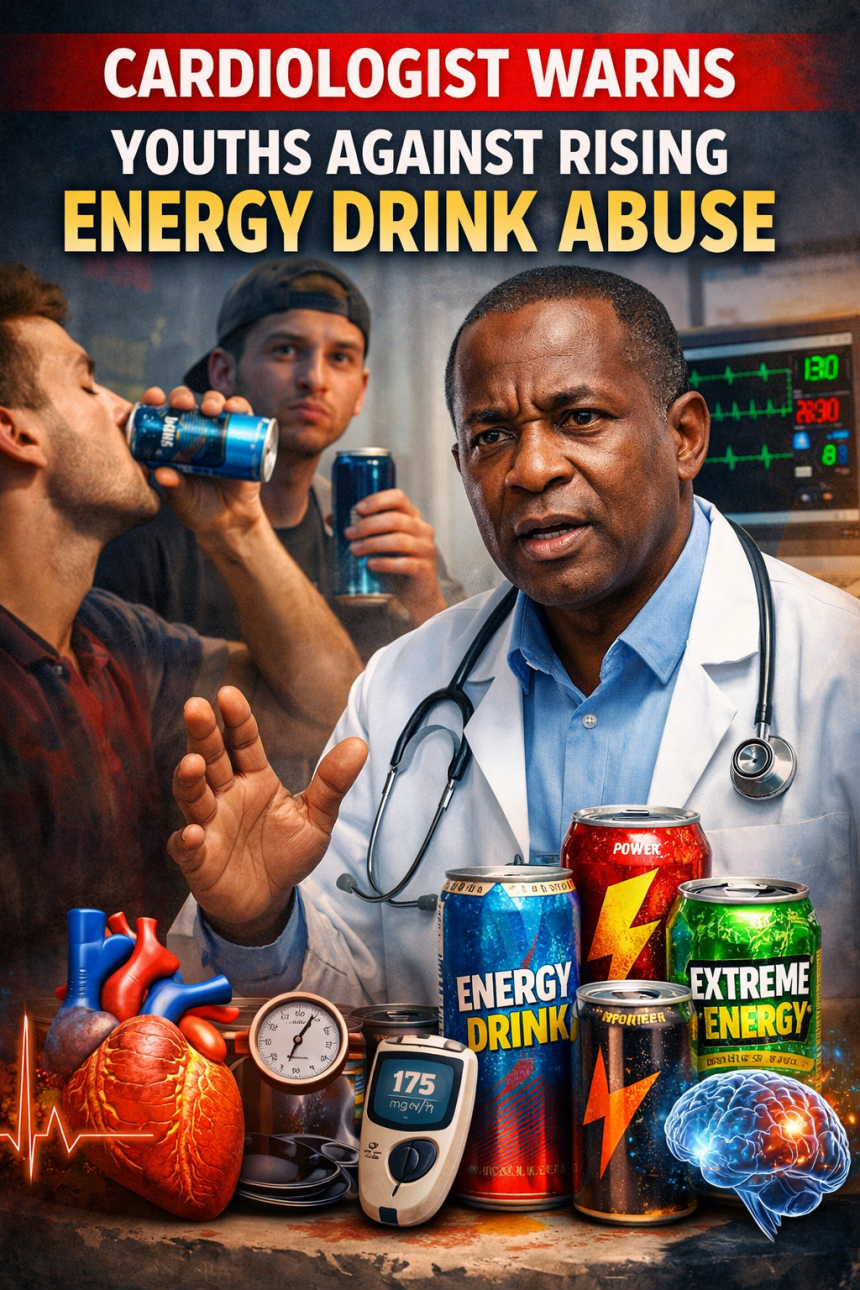
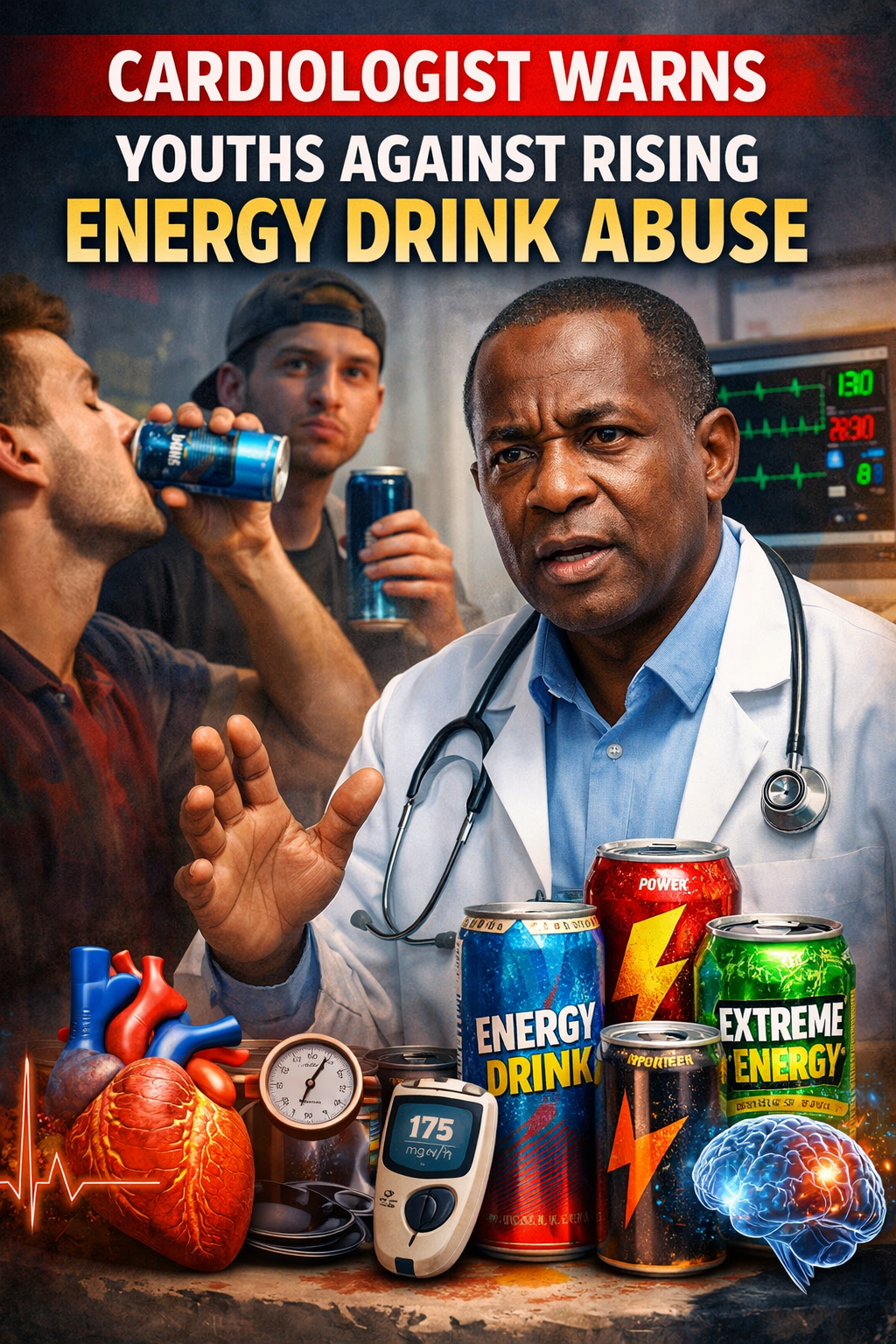
A senior heart specialist at the Federal Teaching Hospital, Gombe, Dr Abubakar Sani, has raised fresh concerns over the rising intake of energy drinks across Nigeria, warning that the habit could silently damage the hearts of young people.
Eko Hot Blog reports that the consultant cardiologist spoke amid growing observations of widespread energy drink consumption among youths in Gombe and surrounding communities, where many reportedly rely on the beverages to cope with long work hours, boost alertness, or enhance sexual performance.
EDITOR’S PICK
- DDG Says Streaming Pays More Than Music
- NRC Records Massive Passenger Turnout as 50 Percent Festive Fare Discount Ends
- SERAP Urges Tinubu to Probe Alleged ₦128bn Power Funds
Dr Sani described the trend as a serious public health threat, stressing that frequent consumption of stimulant-loaded drinks poses grave cardiovascular dangers that many users underestimate.
He noted that as heart-related illnesses increasingly contribute to deaths in developing countries, young Nigerians must become more cautious about lifestyle choices that strain the heart.
According to him, excessive intake of energy drinks can heighten the risk of hypertension, diabetes, heart disease, and stroke, particularly when combined with alcohol.
He explained that the high caffeine and sugar content can interfere with the heart’s electrical system, stiffen blood vessels, and trigger dangerous irregular heartbeats.
The cardiologist further warned that these drinks do not only affect the heart but can also harm other vital organs, including the brain, liver, and kidneys, adding that the long-term complications may not appear immediately but are often severe when they do.
Dr Sani also cautioned that individuals with existing heart conditions face even greater danger, noting that the mix of caffeine and other stimulants can overwhelm the heart, potentially leading to cardiac arrest or sudden death if medical help is delayed.
He dismissed claims that energy drinks improve intelligence or mental performance, pointing out that excessive consumption has been linked to anxiety, depression, stress, and sleep disorders.
He urged Nigerians to prioritise healthier habits by reducing sugary, alcoholic and energy drinks, cutting down on salt and processed foods, and embracing balanced diets alongside regular physical activity to protect heart health.
FURTHER READING