Zero Tariffs
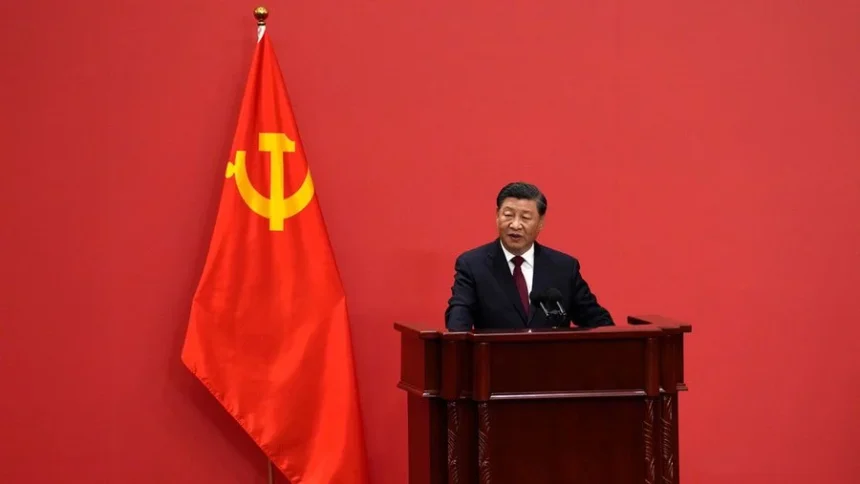
The global trade landscape is changing, and the shift isn’t coming from where many people expect. While the United States and parts of Europe are raising tariffs and protecting domestic industries, China is taking a different approach.
Starting May 1, 2026, Beijing will remove tariffs on imports from nearly all African countries, leaving only Eswatini out due to its ties with Taiwan. This is a deliberate move to strengthen economic influence in Africa and beyond.
EDITOR’S PICKS
- Health Workers Warn as Antivenom Gaps Undermine Snakebite Treatment
- Tinubu Approves ₦40bn Zero-Interest Loans for University Lecturers, Staff
- 5 Health Risks Men Face After Age 40
For years, the U.S. dominated global trade, access to American markets was a major goal for exporters around the world.
But higher tariffs and “America First” policies are changing that. Exporting to the U.S. has become more expensive, making markets elsewhere more attractive. China recognized this shift and is acting intelligently; by removing tariffs, it lowers the cost of African exports, making China the easier, more attractive trade partner.
This is not about generosity; it is a calculated economic strategy, lowering tariffs encourages African countries to prioritize trade with China. With a growing population and rising demand, Africa represents a long-term market. For businesses, the choice is straightforward: pay high tariffs to sell in the U.S. or access a large market in China at no extra cost. The economic incentive is clear, and China is positioning itself as the first option.
China’s approach also contrasts with the way the U.S. and other Western countries often conduct trade. The U.S. frequently links deals to political conditions, using trade as leverage to influence governance or policy decisions. China, in contrast, has minimal political conditions beyond the “One China” principle.
This model appeals to countries seeking growth without political interference. It’s a practical approach that strengthens economic ties while avoiding complex negotiations or conditions that can slow investment.
The move also has implications for the global financial system, as African countries expand trade with China, there is potential to reduce reliance on the U.S. dollar. Increasing transactions in Chinese yuan strengthens China’s currency internationally and gradually diminishes the influence of the dollar in global trade. Over time, this strategy could reshape global financial networks and the balance of economic power.
Beyond trade and finance, the zero-tariff policy supports China’s broader strategy in Africa. Investments in infrastructure, energy, and industrial projects are part of a longer-term plan to integrate African economies with China. The combination of open markets and infrastructure investment creates a system where countries are economically aligned with Beijing, reinforcing China’s influence across the continent.
In contrast, the U.S. is focused on protecting domestic industries and maintaining existing advantages. High tariffs may shield local businesses in the short term, but they risk excluding U.S. companies from fast-growing international markets.
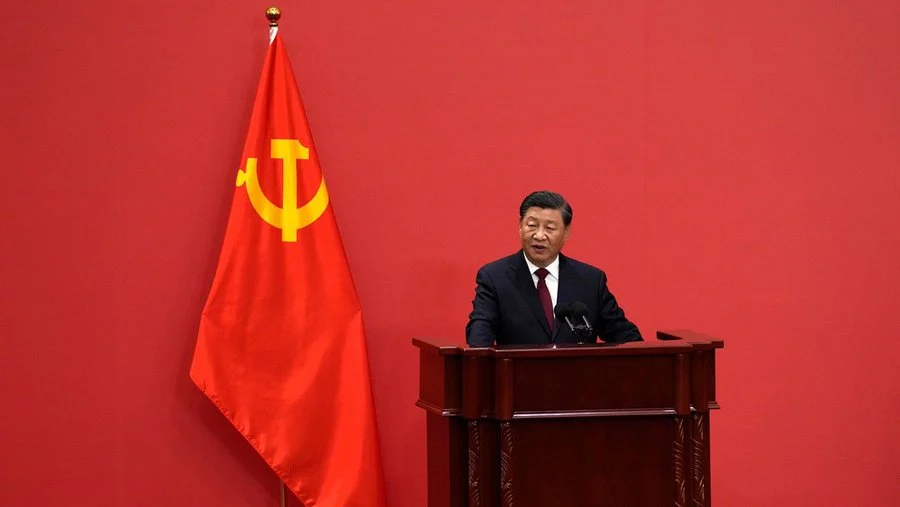
By the time Western economies recognize the scale of China’s engagement in Africa, China may already be firmly established as the continent’s primary economic partner.
FURTHER READING
- Electronic Transmission: ‘Nigerians Always Complain’ – Senate Knocks Protesters
- FG Suspends NAFDAC Enforcement On Sachet Alcohol Ban
- Alaafin Seeks Supreme Court Halt On Ago-Oja Chieftaincy Elevation