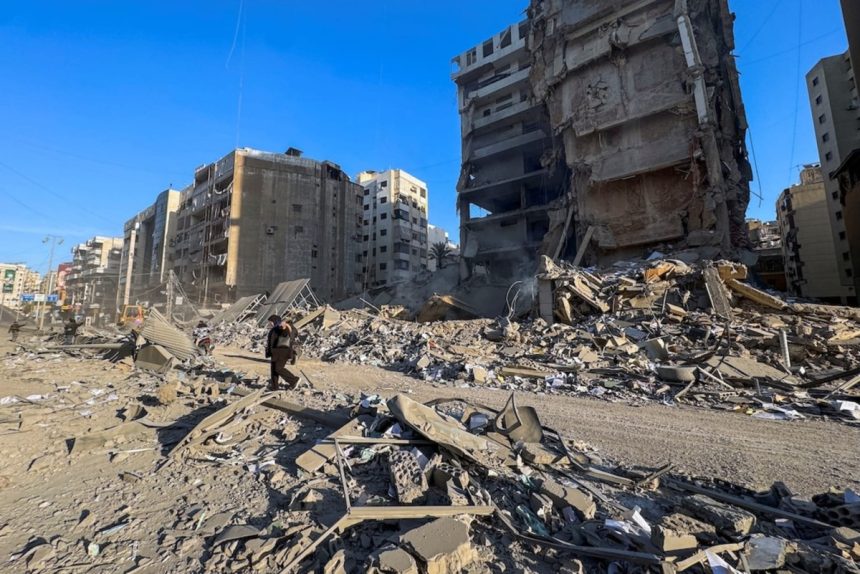
- The Israel Defense Forces (IDF) issued multiple urgent evacuation warnings on Friday, commanding residents in southern Lebanon to immediately flee their homes and move deep into northern territories.
- Beyond instructing locals to move at least 1,000 meters into open areas, subsequent military directives ordered residents of specific towns and villages to flee entirely north of the Zahrani River.
- The military escalations come days after a US-brokered ceasefire agreement between Israel and Lebanon was completely rejected by Hezbollah, prompting Israeli Prime Minister Benjamin Netanyahu to order troops to deepen operations.
The highly anticipated ceasefire between the Israeli and Lebanese governments has faced a severe, life-threatening disruption just days after its implementation.
Eko Hot Blog reports that on Friday, Avichay Adraee, the Arabic-language spokesperson for the Israel Defense Forces (IDF), issued a string of urgent public warnings to civilian populations residing in parts of southern Lebanon.
EDITOR’S PICK
- Fresh Details Emerge on Death of Odomola Monarch, Oba Adebowale Adeshina
- Sanwo-Olu Applauds LASU’s Academic Excellence After JAMB Ranking
- NRC Moves 176,820 Tonnes Of Cargo Through Lagos Ports In Q1
State military command explicitly declared that the IDF is preparing to launch targeted actions against various operations and infrastructure locations across the territory, rendering residential spaces highly unsafe.
In his primary security brief, Adraee directed families within the affected southern towns and villages to immediately vacate their properties and maintain a defensive buffer zone of at least 1,000 meters out in open areas.
The geographical scope of the military threat expanded significantly over an hour later when the IDF spokesperson rolled out a second, more severe advisory via the encrypted messaging platform Telegram.
Targeting an entirely new cluster of towns and villages, the Israeli military ordered thousands of vulnerable citizens to abandon their ancestral properties and move completely north of the Zahrani River to escape the line of fire.
This dramatic northern push signals a massive expansion of the combat zone, threatening to trigger fresh waves of mass displacement across a country already struggling under intense humanitarian pressures.
The rapid unraveling of the diplomatic peace pact stems directly from its structural design and the defiance of regional armed groups.
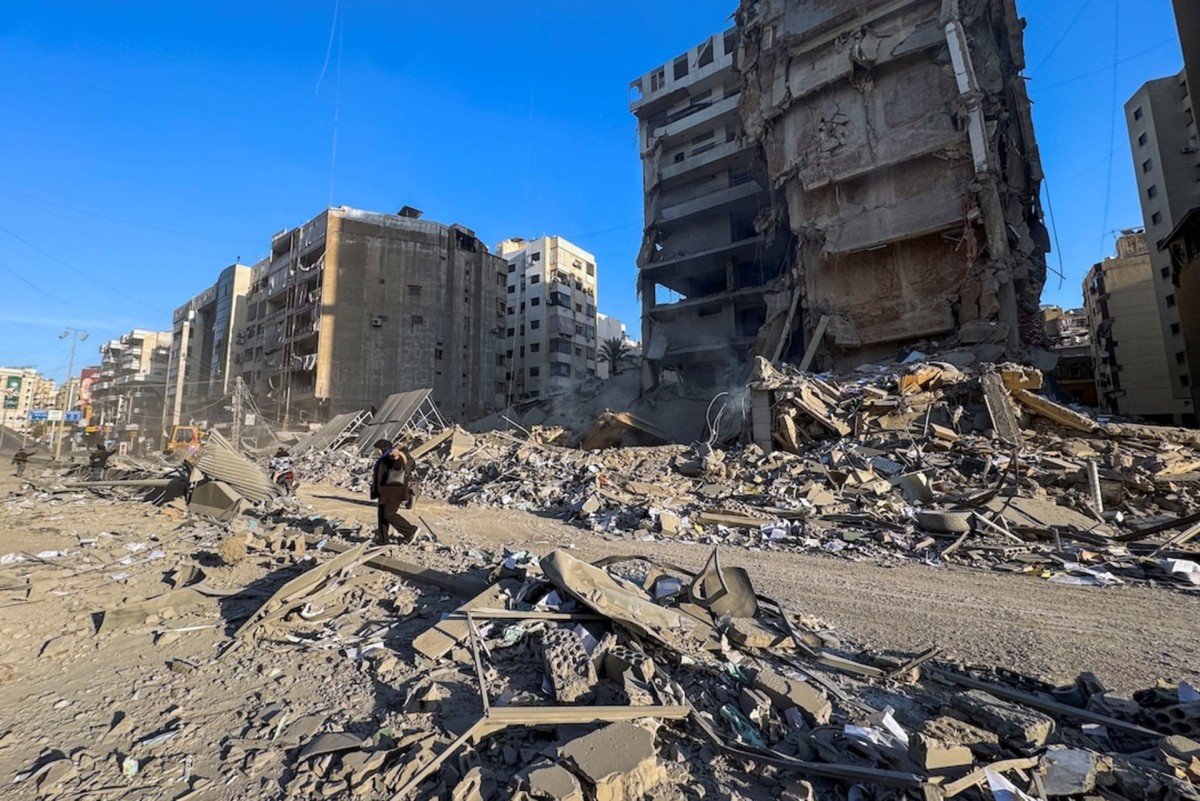
The initial ceasefire agreement, brokered strictly between the sovereign Lebanese government and Israel, was legally contingent upon a total cessation of hostilities and the absolute removal of all active weapon units and personnel from southern Lebanon.
However, the Iran-backed militant group Hezbollah was entirely excluded from the formal negotiation table and subsequently rejected the pact in its entirety.
Following continued friction and the group’s refusal to clear out of the southern border regions, Israeli Prime Minister Benjamin Netanyahu effectively canceled operational pauses by ordering IDF ground forces to aggressively deepen their military incursions into their neighbor’s territory.