
- Digital Skills Won’t Save Nigeria Without Stable Power and Internet
- Rising data costs and weak infrastructure frustrate young tech talents.
- Without real investment in power and connectivity, the digital dream may fail.
Across Nigeria today, thousands of young people are investing in digital skills. They enroll in coding bootcamps, test courses in UI/UX, try freelancing, explore crypto and forex many see the internet as a gateway to opportunity. The ambition is real; the desire is strong.
EDITOR’S PICKS
- Edo PDP Crisis Deepens as Wike’s Camp Elects New Executives
- 2027: ‘Atiku, Obi No Match’ – Oshiomhole Predicts Tinubu’s Victory
- Dr. Alausa, Sabi Abdullahi Unveil New Agricultural Curriculum to Tackle Food Crisis
But for many, the infrastructure that should support these hopes is failing them.
Imagine building a house on a shaky foundation. That’s what it feels like when you learn software development, but your connection drops mid-deployment; when clients reject your invoice because payment gateway fails during submission, when your generator dies just before a deadline. In Nigeria, these are everyday risks for digital workers.
This shortfall isn’t always obvious at first. You log in, see your IDE, open your laptop everything seems fine. But then: the lights flicker. The Wi-Fi disconnects. Your upload drags, your files won’t sync. Slowly, the cracks show. And for a kid who chose digital skills because they saw no other path, those cracks become walls.
Nigeria’s internet penetration has improved: by May 2025, it had reached about 48.81 percent, a 21 percent increase over five years. But the headline hides a deeper problem. Much of that connectivity is mobile and patchy real, dependable broadband access remains rare. Only about 0.1 percent of Nigerians use fixed-line broadband.
Fibre cuts, equipment theft, idle backhaul infrastructure they all chip away at reliability. A telecom line cut today means many lose hours of work, negotiation, or creative flow. It’s not just a technical inconvenience, it’s lost income.
Meanwhile, data costs are climbing. Many Nigerians are already cutting back on digital consumption. In recent months, telecom operators raised tariffs by as much as 50 per cent, prompting some consumers to scale down usage or abandon services entirely.
At the same time, Nigeria’s electricity grid is deeply unreliable. In many cities, daily supply can fall to just a few hours, while some areas get blackout after blackout.
The national grid meets only about 20 percent of energy demand, delivering roughly 5.5 gigawatts in 2025 when demand was far higher. For many digital workers, backup generators are a lifeline but fuel is expensive, and generator maintenance eats into earnings.
Economists estimate that Nigeria loses $25 to $30 billion annually due to power outages and inefficiency. That’s money that could have translated into stronger tech startups, more employment, or better infrastructure but instead, it just vanishes. Case studies become heartbreaking when you hear the stories.
What It Will Take for Nigeria to Match Its Ambition
To match its ambition, Nigeria must begin by strengthening the national power grid while simultaneously embracing decentralized energy solutions such as solar and microgrids to ensure reliable local supply.
Protecting telecom infrastructure is equally vital fibre vandalism and delayed repairs continue to disrupt connectivity. The government must also make data more affordable for digital workers, possibly through subsidies or zero-rating for education and work platforms that drive productivity.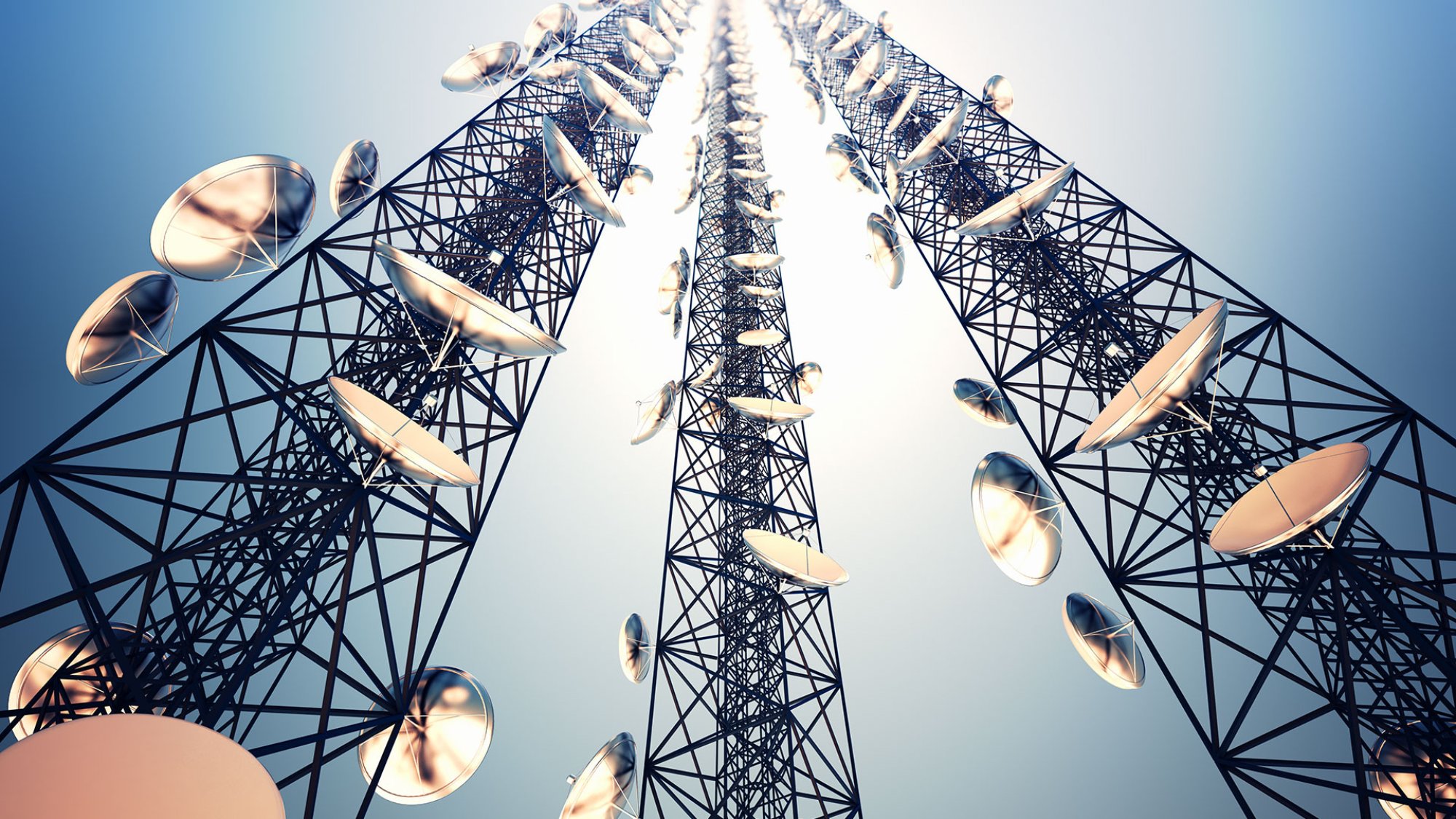
Beyond this, there should be genuine policy alignment between ministries handling digital economy, power, and telecommunications to avoid fragmented efforts. Finally, the government and private sector should support digital workers with grants or soft loans to acquire solar systems, battery packs, and other backup tools, ensuring that no career or innovation collapses simply because the lights went out.
FURTHER READING
- World Teachers’ Day: Dr. Alausa Calls for Teamwork Among Nigerian Teachers
- Jandor Warns Jonathan Against 2027 Presidential Bid, Says Tinubu Unbeatable
- Snowstorm Traps Nearly 1,000 on Mount Everest Eastern Slopes