- The World Health Organization confirmed the official launch of clinical trials in the Democratic Republic of Congo to evaluate two candidate treatments for the rare and lethal Bundibugyo species of the Ebola virus.
- The study is evaluating the safety and efficacy of the monoclonal antibody MBP134 and the antiviral drug remdesivir, administered both individually and in combination therapies, following the enrollment of the first patient.
- According to the latest data from global health bodies, the current outbreak of this rare strain has resulted in 1,406 confirmed cases, 438 confirmed deaths, and 208 successful recoveries across northeastern provinces.
The clinical trials have officially commenced in the Democratic Republic of Congo to evaluate two potential treatments for the rare and highly lethal Bundibugyo species of the Ebola virus.
Eko Hot Blog reports that this critical milestone was formally announced on Thursday by the World Health Organization, signaling a vital ray of hope for a region that has long borne the devastating brunt of viral hemorrhagic fevers.
EDITOR’S PICK
- Hamzat Appoints Obanikoro as Campaign DG Ahead of 2027 Lagos Governorship Race
- Tinubu’s State Police Plan Gains Momentum as Amendment Looms
- Residents Raise Alarm After Two Bodies Found in Lagos Waterway
This initiative marks a decisive step forward in global medical science, particularly as the current outbreak continues to pose a severe threat to communities in the central and eastern parts of the continent.
The Bundibugyo strain of the Ebola virus is notorious for its severe clinical presentation and, until now, the absolute absence of approved vaccines or targeted therapeutic interventions.
Unlike the Zaire strain, which saw the successful development and deployment of effective vaccines during previous outbreaks, the Bundibugyo species has remained a complex challenge for researchers and healthcare workers alike.
The ongoing spread of this rare strain in the northeastern provinces of the Democratic Republic of Congo has stretched local healthcare infrastructures to their limits, making the introduction of experimental therapeutics an absolute necessity.
According to the latest epidemiological figures compiled and released by the World Health Organization, the human cost of the current outbreak underscores the urgency of the intervention.
The global health body disclosed that there have been 1,406 confirmed cases of the Bundibugyo Ebola virus within the country.
Tragically, the virus has already claimed the lives of 438 individuals, illustrating the high mortality rate and aggressive nature of this specific strain.
On a more encouraging note, the data also reveals that 208 people have successfully recovered from the illness, providing a testament to the resilience of the patients and the dedication of frontline medical workers.
Addressing journalists and global health stakeholders during a media briefing, the Director-General of the World Health Organization, Dr. Tedros Adhanom Ghebreyesus, confirmed the official launch of the scientific study.
He revealed that the clinical trial achieved a major milestone with the enrollment of its very first patient, marking the formal beginning of the evaluation process.
The trial is meticulously designed to assess the safety and efficacy of two distinct therapeutic candidates: the monoclonal antibody MBP134 and the antiviral drug remdesivir.
Researchers will evaluate these treatments both as standalone therapies and in combination with one another to identify the most potent medical strategy against the pathogen.
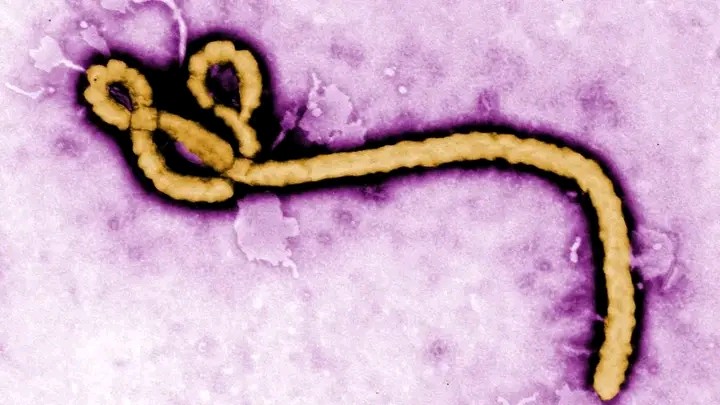
This crucial scientific undertaking is being spearheaded on the ground by the Democratic Republic of Congo’s National Institute for Biomedical Research.
The local institute is working in close collaboration with an array of international partners, with the World Health Organization providing extensive technical and logistical backing.
Dr. Tedros emphasized that patient welfare and ethical standards are the foundational pillars of this initiative, insisting that everyone who participates will receive comprehensive supportive care and close clinical follow-up.
Furthermore, international partners are already working to secure long-term access to these medications, ensuring that if the trials prove successful, the life-saving treatments will be distributed rapidly to those who need them most.