- He maintained that the conflict, which began on February 28, 2026, had come to an end
- Trump has questioned the constitutionality of the law, a position previously echoed by leaders from both majr U.S. parties
- Trump acknowledged that the situation is not fully resolved
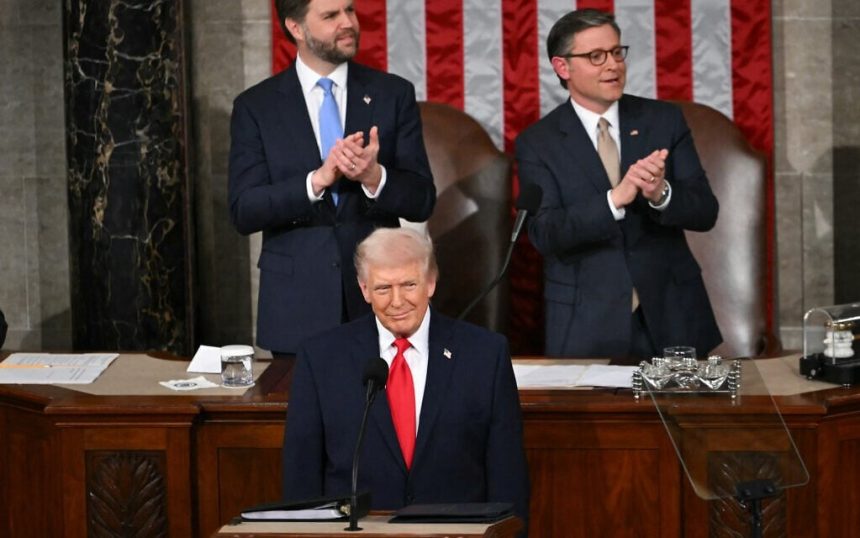
Donald Trump has stated that a ceasefire with Iran has effectively brought an end to active hostilities, as he argues he does not need approval from lawmakers to continue U.S. military actions.
In a letter sent to congressional leaders on Friday, Eko Hot Blog gathered that the deadline set under U.S. law for presidential war actions, Trump said there had been no further exchange of fire since the ceasefire took effect.
EDITOR’S PICK
- Lassa Fever Hits Oyo, Government Activates Emergency Response
- Bruno Fernandes Reveals Why He Rejected Huge Al Hilal Move
- FG Defends Borrowing Strategy
He maintained that the conflict, which began on February 28, 2026, had come to an end.
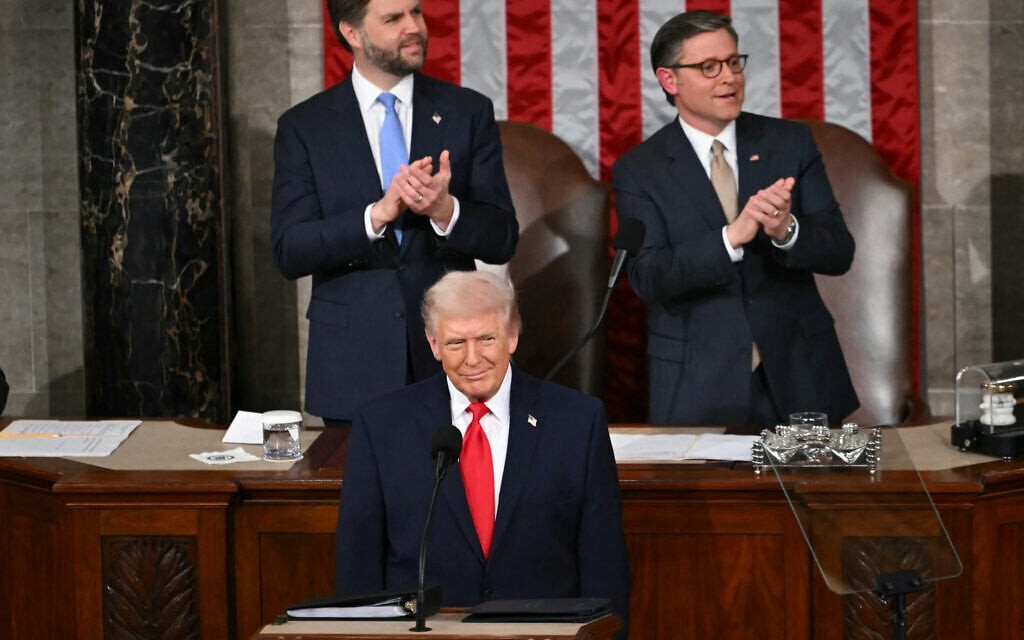
Under the War Powers Resolution of 1973, a U.S. president is permitted to engage in military operations for up to 60 days without congressional approval, after which they must either withdraw forces, seek authorization, or request a 30-day extension.
However, Trump has questioned the constitutionality of the law, a position previously echoed by leaders from both majr U.S. parties.
As the deadline approached, analysts and congressional aides suggested the administration might bypass the requirement, with officials indicating that they did not consider the timeline applicable in this situation.
Meanwhile, Iran signaled interest in renewed negotiations, with its state media reporting that a proposal had been sent through Pakistani intermediaries. Trump quickly dismissed the offer.
Despite the ceasefire, tensions remain high. U.S. naval forces are still deployed in the region, enforcing restrictions on Iranian oil exports,an action critics argue contradicts claims that hostilities have ceased.
Democratic lawmakers have pushed back strongly, insisting that the ceasefire does not override the legal obligations of the president.
Jeanne Shaheen described the deadline as a clear legal requirement, criticizing the administration for lacking a defined strategy to end the conflict.
In his communication to Congress, Trump acknowledged that the situation is not fully resolved, noting that Iran continues to pose a significant threat to U.S. interests and personnel.
The conflict has resulted in thousands of casualties, widespread economic disruption, and instability in global energy markets. It has also become a contentious political issue in the U.S., with public opinion divided as the country approaches key elections.
While the U.S. Constitution grants Congress the authority to declare war, presidents have historically exercised broad powers in short-term or ongoing military engagements—often leading to disputes over the limits of executive authority.
FURTHER READING