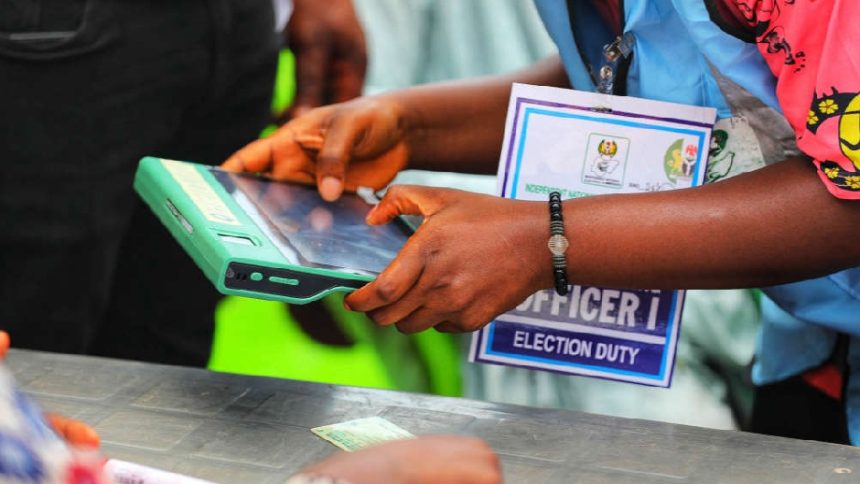
- Electronic Transmission of Election Results: Are We Truly Prepared?
The recent rejection by the Nigerian Senate of the proposed amendment to Clause 60, subsection 3 of the Electoral Act, which sought to make the electronic transmission of election results compulsory, has reignited debate over the country’s readiness for digitalised elections.
While advocates speak good about the move as a step toward transparency, the reality on the ground shows that Nigeria is far from prepared to implement such a system nationwide.
EDITOR’S PICKS
- Health Workers Warn as Antivenom Gaps Undermine Snakebite Treatment
- Tinubu Approves ₦40bn Zero-Interest Loans for University Lecturers, Staff
- 5 Health Risks Men Face After Age 40
The appeal of electronic transmission is clear: it reduces the opportunities for result manipulation, particularly at the collation stage, which remains the weakest link in Nigeria’s electoral process.
Samson Itodo, Executive Director of Yiaga Africa, explained that the system allows results to be uploaded to the INEC Result Viewing Portal immediately after polling units close, enabling citizens and observers to track outcomes in real time. This, in theory, limits the room for interference by unscrupulous actors.
However, theory and practice diverge sharply in Nigeria. The 2023 general elections highlighted this gap. While INEC piloted electronic transmission in select states, results in several rural areas were delayed due to poor network connectivity and intermittent electricity.
In some constituencies, the inability to upload results on time sparked anxiety, amplified misinformation, and fueled suspicion of tampering, even where no manipulation occurred. These incidents demonstrate that without reliable infrastructure, rolling out a nationwide real-time system could do more harm than good.
Beyond technical challenges, the political and institutional environment also poses risks. Many polling units in remote regions lack trained personnel familiar with digital tools. Cybersecurity measures are limited, leaving the system vulnerable to hacking, data loss, or accidental errors.
Unlike countries with robust digital election frameworks, Nigeria lacks a comprehensive nationwide protocol to mitigate these risks. Rushing the process could delegitimise the electoral process instead of strengthening it.
Politicians’ reluctance to embrace electronic transmission is often framed as self-interest, but it also showcases a sober understanding of operational reality. A system that cannot guarantee accurate, real-time uploads in every polling unit is a liability. Mandating it prematurely may lead to disputes, legal battles, and public unrest.
The experience of the 2023 elections, when partially implemented electronic transmission led to confusion and accusations of result suppression, just exposes my point.
For electronic transmission to truly enhance transparency in Nigeria, several conditions must be met stable electricity supply, nationwide internet coverage, trained personnel at polling units, secure and resilient platforms, and comprehensive public awareness. Until these foundational elements are in place, insisting on real-time electronic results risks undermining the very credibility it seeks to protect.
With the general elections just a year away, INEC would face an enormous logistical and operational burden if mandatory real-time electronic transmission were implemented. For a nation like Nigeria, it is not entirely impossible, but achieving it successfully would require substantial investment, infrastructure upgrades, and comprehensive training challenges that cannot be met overnight.
FURTHER READING
- Super Eagles Still Hopeful of 2026 World Cup Qualification – Iwobi
- PHOTOS: Kaduna Governor Uba Sani Visits Tinubu in Abuja
- Tinubu Orders Safe Transit Routes to Clear Niger-Bound Cargo