- The Emir of Potiskum said force alone cannot end insecurity in Nigeria.
- He urged leaders to address poverty, injustice and other causes of conflict.
- The monarch also called on traditional rulers to promote peace and Unity
The Emir of Potiskum, His Royal Highness Alhaji Umaru Bubaram Ibn Wuriwa Bauya, has called on Nigerian leaders to adopt a broader strategy in tackling the country’s security challenges, stressing that military action alone cannot deliver lasting peace.
Eko Hot Blog gathered that the traditional ruler urged governments at all levels to confront poverty, injustice and other socio-economic conditions that continue to fuel violence and unrest across the country.
EDITOR’S PICK
- Tinubu Approves Army Expansion, Recruitment of 28,000 Personnel
- Aregbesola Claims Record as First Nigerian Governor to Serve Eight Years Without Owning a House
- Ikosi-Ejinrin LCDA Commissions Fully Equipped NSCDC Divisional Headquarters, Donates Patrol Vehicle and Motorcycle to Boost Security
Speaking on national issues, the Emir described Nigeria’s ethnic and cultural diversity as a major strength that should be embraced rather than viewed as a source of division.
He noted that with more than 300 ethnic groups, the country has enormous potential for unity and development if every citizen feels included and valued.
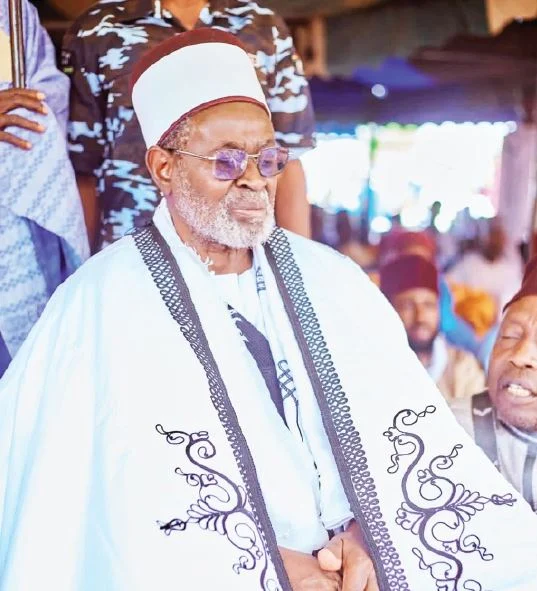
According to him, lasting national progress depends on creating a sense of belonging for all Nigerians, regardless of their background.
Commenting on insecurity, the monarch said force should not be the only response to the country’s challenges, insisting that government must sincerely address the factors driving conflicts.
He maintained that justice, fairness and improved living conditions are essential to reducing violence and restoring peace nationwide.
The Emir also advised public office holders to place the welfare of citizens above personal interests, saying true leadership requires fairness, compassion and equal treatment of all people, irrespective of ethnicity, religion or political affiliation.
He further highlighted the role of traditional institutions in maintaining peace, saying traditional rulers are well positioned to identify community challenges, mediate disputes and provide timely advice to government because of their close relationship with local communities.
The monarch said traditional leaders should continue to promote education, encourage economic development, strengthen peaceful coexistence and help prevent communal conflicts before they escalate.
He concluded by urging both elected officials and traditional rulers to lead with integrity, accountability and justice, adding that history would judge leaders by the positive impact they make on the lives of the people rather than the positions they occupy.
FURTHER READING