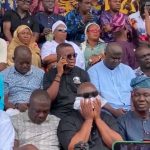
The Nigeria Police Force (NPF) has a reputation for cracking down lawful protesters regardless of their purpose. One of such crackdowns was the harassment of young Nigerians who marched in October 2024 to mark the fourth anniversary memorial of the EndSARS protests.
However, accountability appeared to come on Thursday after the Federal High Court in Lagos awarded ₦10 million in damages against the Inspector-General of Police and the Lagos State Commissioner of Police.
EDITOR’S PICKS
Although rights groups have hailed the judgement as a significant victory for civil liberties in Nigeria, the broader question remains: could this ruling signal the beginning of meaningful accountability and restraint within the police force when dealing with peaceful protesters?
The case, brought by over 20 individuals and groups including the Education Rights Campaign (ERC), Take It Back Movement (TIB), and Campaign for the Defence of Human Rights (CDHR), stemmed from the police’s actions during the memorial protests.
Justice M. Kakaki ruled that the applicants were unjustly harassed and that their constitutional rights to peaceful assembly and association had been violated. The judgement reinforced that while the police may enforce the law, their powers must align with democratic principles and the rule of law.
At the heart of the matter is the unresolved legacy of the 2020 EndSARS protests, where demands for an end to police brutality—especially by the notorious Special Anti-Robbery Squad (SARS)—led to nationwide demonstrations. Despite promises of reform, rights violations have persisted, with security operatives frequently dispersing peaceful gatherings under the guise of maintaining public order.

The court’s affirmation of protest as a constitutional right is significant in a context where such rights are often undermined. Legal experts argue that the ruling could strengthen the resolve of activists and citizens who have long decried impunity within the security forces. It also places renewed pressure on the Nigeria Police Force to respect civil liberties or face legal consequences.
However, optimism is tempered by a cautious realism. Previous court decisions on police misconduct have rarely translated into structural reforms or changes in enforcement culture. For example, at the height of the EndSARS protests, then-President Muhammadu Buhari vowed to institute major police reforms, but they have amounted to almost nothing.
While financial penalties can deter future abuse, enforcement of such judgments and the political will to ensure compliance remain uncertain.
Moreover, Nigeria’s broader human rights record suggests that institutional resistance to change is strong. Without internal disciplinary measures, legislative oversight, and consistent judicial follow-through, one court ruling, even a landmark one, may not be enough to curb the entrenched practice of violating freedom of expression.
FURTHER READING
In the short term, the judgement sets an important precedent and offers redress to victims of rights violations. But for it to mark a true turning point, it needs to be followed by systemic reforms: improved police training, independent oversight mechanisms, and a commitment from government authorities to uphold constitutional freedoms.
Philip Ibitoye is a Special Correspondent with EKO HOT BLOG. Click here to find daily analysis and critical insight on trending issues in Lagos and other parts of Nigeria.
Click here to watch the video of the week below: