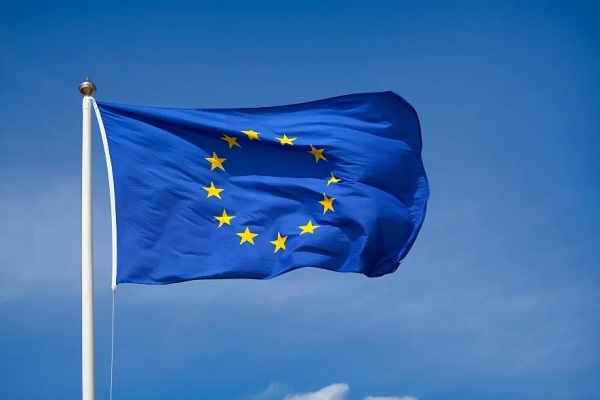
Nigeria’s removal from the European Union’s list of high-risk jurisdictions for money laundering and terrorism financing marks a significant turning point for the country.
According to Business Insider Africa, the European Commission confirmed on Wednesday that Nigeria and five other affected African countries, including South Africa, Burkina Faso, Mali, Mozambique, and Tanzania, had addressed “strategic deficiencies” in their financial systems.
EDITOR’S PICKS
After years of reform and international scrutiny, this delisting signals a restoration of confidence in Nigeria’s financial system and opens new pathways for economic growth and international engagement.
A Hard-Won Victory Through Systemic Reform
The delisting did not happen by chance. It represents the culmination of extensive reforms to Nigeria’s anti-money laundering and counter-terrorism financing frameworks, efforts that began in earnest after the country was placed on the Financial Action Task Force (FATF) grey list. The FATF, an intergovernmental organization that sets global standards for combating financial crimes, had identified strategic deficiencies in Nigeria’s financial oversight systems.
Between the grey-listing and October 2025, when FATF announced Nigeria’s removal, the country undertook comprehensive institutional changes. These reforms included strengthening regulatory oversight, enhancing transparency in financial transactions, improving inter-agency cooperation, and aligning domestic legislation with international standards.
The European Commission’s confirmation that Nigeria had addressed these strategic deficiencies validates the effectiveness of these measures and demonstrates the government’s commitment to international financial compliance.
The synchronized removal from both the FATF grey list and the EU high-risk list underscores the interconnected nature of global financial governance. For Nigeria, this dual delisting represents not just regulatory compliance but a fundamental upgrade to its financial architecture.
Immediate Economic Implications
The practical impact of this delisting will be felt across multiple sectors of the Nigerian economy. Most immediately, the lifting of enhanced due diligence requirements from January 29 removes a significant friction point in international transactions.
Previously, Nigerian businesses and financial institutions faced additional scrutiny, documentation requirements, and delays when conducting cross-border transactions with European partners. These burdens translated into higher transaction costs, longer processing times, and in some cases, outright reluctance from European banks to engage with Nigerian counterparts.
Trade flows between Nigeria and the EU, already substantial given historical ties and the size of the European market, should experience smoother facilitation. Nigerian exporters will find it easier to receive payments, while importers will face fewer obstacles in making international transfers.
This streamlining is particularly crucial for small and medium enterprises that lack the resources to navigate complex compliance procedures.
Perhaps more significantly, the delisting addresses a major concern for foreign investors: regulatory risk. Being classified as high-risk created uncertainty about the stability and transparency of Nigeria’s financial environment. Investors considering entry into the Nigerian market had to factor in potential complications with fund transfers, repatriation of profits, and general financial operations. The removal of this designation eliminates a psychological and practical barrier to investment.
Long-Term Strategic Gains
Beyond immediate transactional benefits, Nigeria’s delisting carries important reputational value. In an increasingly interconnected global economy, a country’s standing in international financial systems affects its overall economic positioning. The delisting signals to the international community that Nigeria is a responsible financial actor committed to global standards, a message that resonates far beyond EU borders.
This credibility boost comes at a critical time for Nigeria’s economy, which faces challenges including inflation, currency pressures, and the need for substantial infrastructure investment. Enhanced investor confidence could translate into increased foreign direct investment, improved terms for international borrowing, and greater willingness from multinational corporations to expand operations in Nigeria.
The success also provides a template for addressing other areas where Nigeria seeks international validation and integration. It demonstrates that sustained reform efforts, even when difficult, can yield tangible results that benefit the broader economy.
FURTHER READING
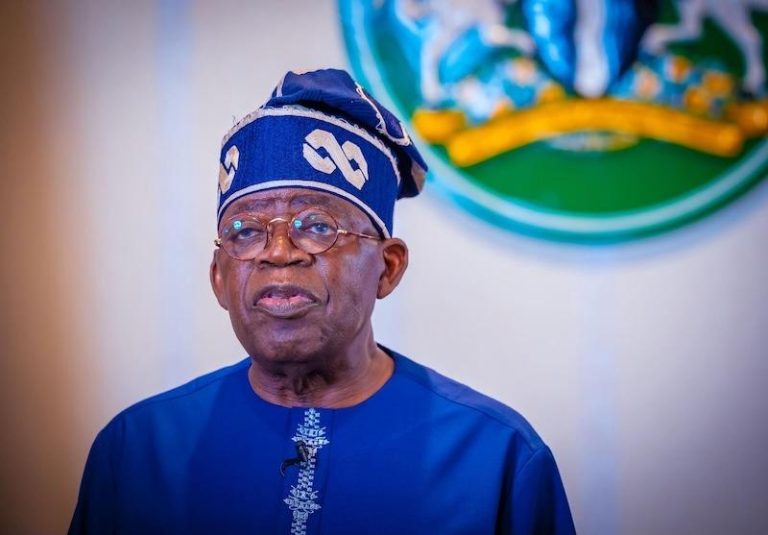
In a post on X, Minister of State for Finance Doris Uzoka-Anite celebrated this “big win,” noting that it is a “boost to trade and investor confidence.”
Big win for Nigeria! Removed from EU's financial 'high-risk' list! 🇳🇬
Congrats to President @officialABAT on this achievement. 👏
As Minister of State for Finance, I'm proud of this boost to trade and investor confidence. #NigeriaFinance #EconomicGrowth pic.twitter.com/YooaOySJxE
— Hon (Dr) Doris Nkiruka Uzoka-Anite MD,CFA (@DrDorisAnite) January 15, 2026
Philip Ibitoye is a Special Correspondent with EKO HOT BLOG. Click here to find daily analysis and critical insight on trending issues in Lagos and other parts of Nigeria.
Click here to watch the video of the week below: