- He described the honour as a powerful global acknowledgment of a life dedicated to confronting dictatorship
- Femi stressed that Fela’s music was deeply rooted in Nigeria’s political history
- He added that the Grammy honour reflects years of dedication by the Kuti family and the global Afrobeat community
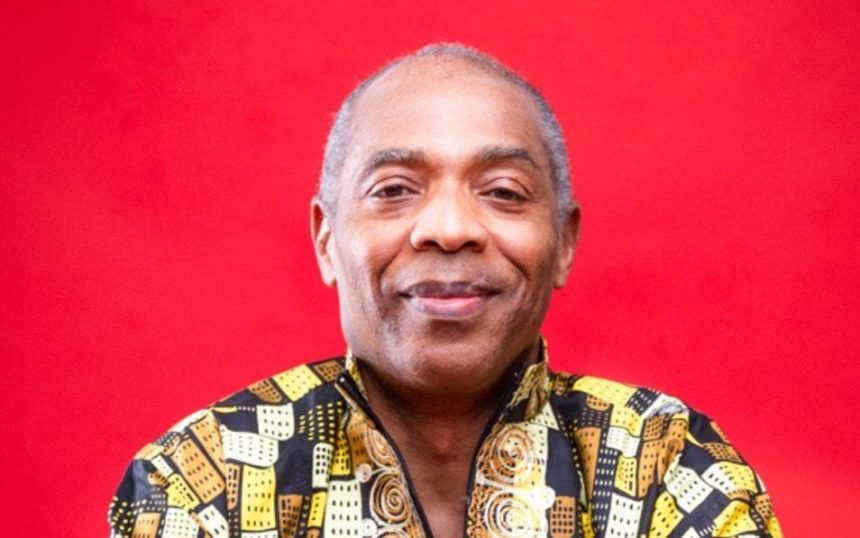
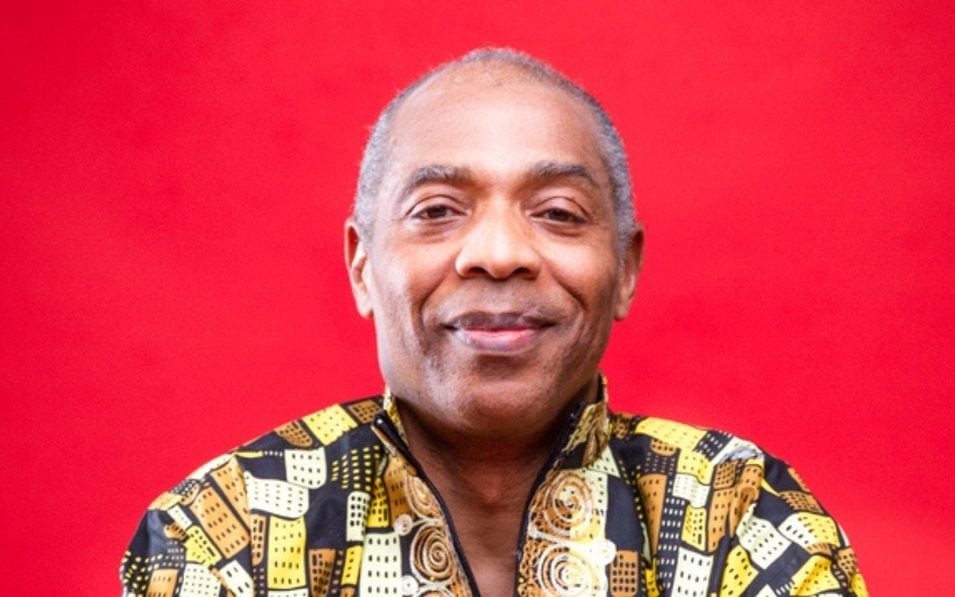
Afrobeat icon Femi Kuti has expressed displeasure over attempts to link him with Nigeria’s former President, Muhammadu Buhari, describing such claims as irritating and completely false.
Femi spoke during an interview on Arise Television while reacting to the posthumous Grammy Lifetime Achievement Award bestowed on his father, the legendary Fela Anikulapo Kuti, Eko Hot Blog reports.
EDITOR’S PICK
- ADC Requests INEC Postpone FCT Area Council Elections
- Tope Alabi Welcomes Grandchild
- CBN to Introduce New Policy to Regulate Debit Card Issuance, ATM Operations
He described the honour as a powerful global acknowledgment of a life dedicated to confronting dictatorship, corruption and injustice in Nigeria and across Africa.
According to him, the recognition has sparked excitement within the family and beyond, carrying deep emotional weight, especially for those who witnessed the era of military rule that shaped Fela’s activism and music.
“Everyone is very happy. We’re excited. I’m currently in Los Angeles, and it’s hard to fully explain what my father stood for unless you lived through the 1970s,” Femi said, recalling the fear that gripped Nigerians during military rule.
He recounted the repeated raids on Fela’s Kalakuta Republic and the brutal attacks on his family, including the incident in which his grandmother was thrown from a window, injuries that later led to her death.
“It was raid after raid. We never knew when he would be arrested or when he would be released. Living through that period as children was terrifying,” he added.
Femi stressed that Fela’s music was deeply rooted in Nigeria’s political history, evolving over time into a weapon of resistance against oppression.
“You have to understand how his music developed—from the early hits in the 1960s to when he became openly political and confronted successive regimes. Fela truly lived a full and courageous life,” he said.
Reacting to questions about Nigeria’s current political climate, Femi firmly rejected narratives linking him or his family to political figures his father openly opposed.
“When people claim I supported Buhari or say I campaigned for Tinubu, it hurts and irritates me,” he said. “As Fela’s son, it is impossible for us to align with any government that is not for the people, especially those who beat, arrested or jailed him.”
He added that the Grammy honour reflects years of dedication by the Kuti family and the global Afrobeat community to preserving Fela’s legacy.
“My sister, my brother Seun, my son Made, and the entire family have all played their part. Musicians continue to play his music, scholars study it, and today’s Afrobeat artists draw inspiration from him,” he noted.
Femi concluded that while the Grammy recognition is a major milestone, it belongs not just to the family but to everyone Fela stood for.
“To receive one of the biggest awards in the world is incredible, but Fela was a father to many. He was a voice for the voiceless in the 1970s and 1980s, and that is why his legacy endures,” he said.
FURTHER READING