
- FG borrowing rose to N40.38 trillion in May
- Private sector lending recorded only slight growth
- Analysts warned of reduced credit for businesses
Credit extended to the Federal Government rose significantly over the past year, reflecting increased domestic borrowing despite the country’s tight monetary policy.
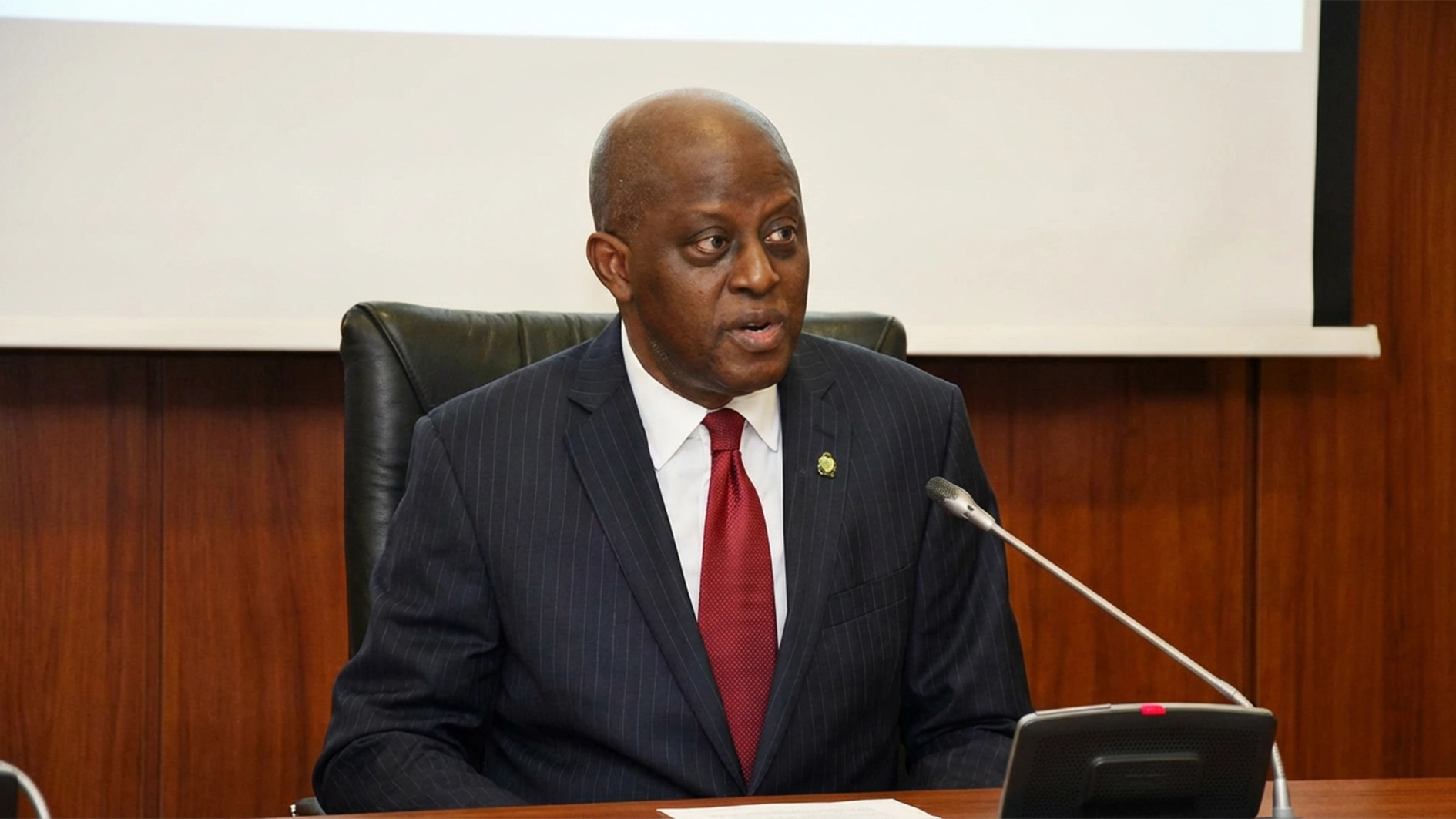
Eko Hot Blog gathered that the latest monetary and credit statistics released by the Central Bank of Nigeria (CBN) on Wednesday showed that total credit to the government reached N40.38 trillion in May 2026, up from N22.99 trillion recorded in the same period last year.
EDITOR’S PICK
- Federal Lawmaker Yaya Tongo Dies In Abuja Hospital
- Rep. Wale Raji Celebrates Alhaja Aduke Salimot Seriki on Birthday
- Nancy Isime Recalls Alex Ekubo’s Fearless Humor, Generosity at Late Actor’s Tribute
The figures represent an increase of N17.39 trillion, equivalent to a 75.6 per cent rise in lending to the public sector within 12 months.
Government borrowing also increased on a monthly basis, rising by N779.7 billion from N39.60 trillion in April to N40.38 trillion in May.
The latest data indicate that commercial and merchant banks continue to channel a substantial portion of their funds into government securities, including treasury bills and Federal Government bonds, rather than expanding lending to businesses and households.
Analysts say the trend reflects the government’s growing reliance on domestic debt to finance its fiscal obligations instead of depending on direct funding from the apex bank.
Meanwhile, lending to the private sector recorded only marginal growth during the same period.
Private sector credit increased from N80.59 trillion in April to N81.04 trillion in May, suggesting that banks remain cautious in extending loans to businesses despite maintaining adequate liquidity.
Although private sector credit remains higher than government borrowing in absolute terms, financial experts warn that the continued preference for government securities could reduce access to funding for manufacturers and other productive sectors of the economy.
According to analysts, excessive government borrowing from the domestic market may limit credit available to private businesses, slowing investment, expansion and overall economic growth.
The CBN has yet to provide a detailed breakdown of private sector lending by industry, but the latest figures point to a banking sector that continues to prioritise lower-risk government investments over lending to the real economy.
FURTHER READING