- At the current exchange rate, the proposed loan is estimated at about N1.70 trillion
- The document noted that negotiations and key reform commitments had already been substantially agreed upon
- total World Bank commitments to Nigeria under the current administration would rise to about $10.6 billion
The Federal Government is advancing talks with the World Bank over a proposed $1.25 billion loan aimed at supporting economic reforms, investment growth and job creation in Nigeria.
Eko Hot Blog gathered that the proposed facility, known as the Nigeria Actions for Investment and Jobs Acceleration programme, has moved to a crucial stage in the World Bank’s approval process and is expected to be presented for approval on June 26, 2026.
EDITOR’S PICK
- Fani-Kayode, Omokri Oppose Return Of Power To North Before 2031, Endorse Tinubu For 2027
- Putin defends Ukraine war amid NATO aggression claims
- Epe Stakeholders Unite in Massive Endorsement for Wale Raji, Tobun, Tinubu, Others
If approved, the loan would become one of the largest World Bank facilities secured under President Bola Tinubu, second only to the $1.5 billion economic stabilisation financing approved in 2024.
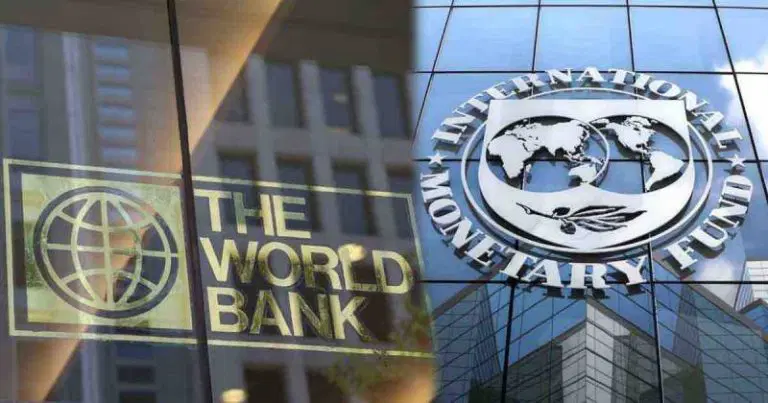
At the current exchange rate, the proposed loan is estimated at about N1.70 trillion, further increasing Nigeria’s external debt profile amid ongoing economic reforms.
Data showed that Nigeria’s external debt stood at N74.43 trillion, or $51.86 billion, as of December 2025. Approval and full disbursement of the new facility would push the figure above N76 trillion.
According to a Programme Information Document released by the World Bank, the project has advanced beyond the concept and appraisal phases and has now reached the decision meeting stage, where the lender’s management reviews the final package before presenting it to the Board of Executive Directors for final approval.
The document noted that negotiations and key reform commitments had already been substantially agreed upon between Nigeria and the bank.
The Federal Ministry of Finance is listed as the implementing agency for the programme.
The World Bank explained that the facility is intended to support reforms focused on improving access to finance, electricity and digital services while boosting competitiveness through changes in agriculture, tax and trade policies.
The proposed loan adds to the growing volume of World Bank financing secured by Nigeria since Tinubu assumed office in 2023.
Reports indicate that the World Bank has approved about $9.35 billion in loans and credits for Nigeria between June 2023 and May 2026 across sectors including power, agriculture, education, healthcare and social protection.
Should the fresh facility receive approval, total World Bank commitments to Nigeria under the current administration would rise to about $10.6 billion.
However, many of the approved facilities are released in phases, depending on the government’s ability to meet specific policy and reform conditions.
Meanwhile, the Accountant-General of the Federation, Shamseldeen Ogunjimi, recently warned that Nigeria could reject future World Bank loans if approval and disbursement delays continue.
He argued that prolonged delays could affect project timelines and undermine development goals, stressing that the loans are repayable facilities and not grants.
Responding earlier, the World Bank clarified that project financing is usually disbursed in stages depending on the nature of each programme.
Recent figures from the Debt Management Office also showed that Nigeria’s debt to the World Bank rose from $17.81 billion in 2024 to $19.89 billion by the end of 2025.
The proposed programme is expected to support reforms tied to agriculture, electricity access, financial inclusion, tax administration and digital infrastructure.
However, the World Bank warned that the operation carries significant risks, especially with political pressure expected to rise ahead of the 2027 general elections.
Economic analysts have also expressed concern over Nigeria’s increasing dependence on external borrowing, cautioning that continued loans without strong revenue growth could worsen fiscal pressures.
Some economists argued that concessionary loans can support development if properly utilised, while others warned that excessive foreign borrowing could expose Nigeria to greater exchange rate risks and long-term debt challenges.
The Nigerian Economic Summit Group also cautioned that despite slight improvements in some debt indicators, Nigeria’s debt outlook remains fragile due to weak revenue generation and persistent fiscal pressures.
FURTHER READING