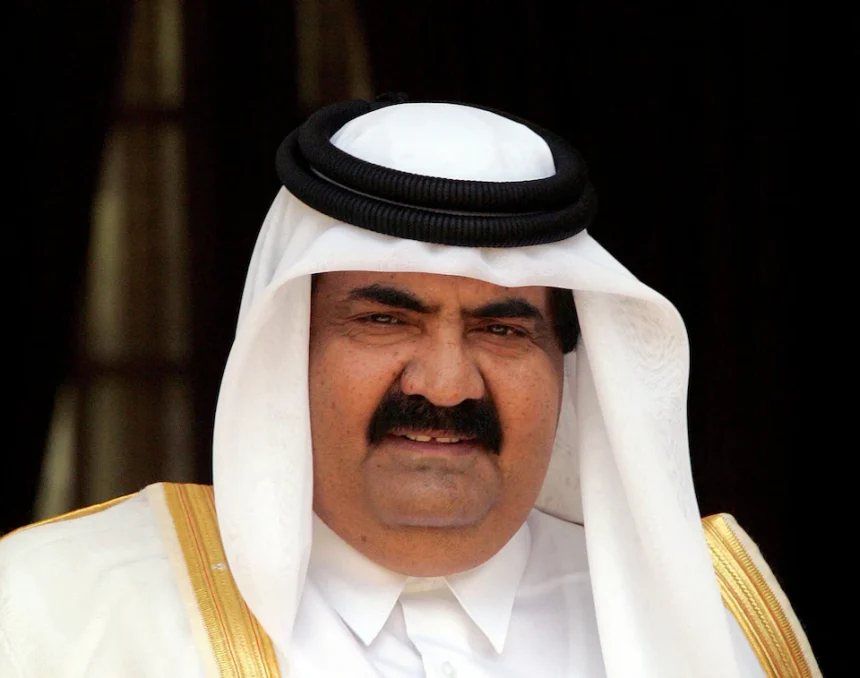
- Former Qatar Emir Sheikh Hamad bin Khalifa Al-Thani has died at the age of 74
- He transformed Qatar into a global energy and diplomatic powerhouse during his reign
- Sheikh Hamad handed power to his son, Emir Tamim, in 2013 after 18 years in office
Former Emir of Qatar, Sheikh Hamad bin Khalifa Al-Thani, has died at the age of 74, bringing to a close the life of the leader widely credited with transforming the Gulf nation into a global economic and diplomatic power.
Eko Hot Blog reports that Qatar’s Amiri Diwan announced on Sunday that the former ruler passed away but did not disclose the cause of his death.
EDITOR’S PICK
- UN Mobilizes Humanitarian Aid For Venezuela Following Twin Earthquakes
- Dollar To Naira Exchange Rate Today, June 26, 2026
- Concerns As Repentant Boko Haram Members Allegedly Join Army Recruitment
Sheikh Hamad came to power in 1995 after peacefully removing his father from office and remained emir until 2013, when he voluntarily handed leadership to his son, Sheikh Tamim bin Hamad Al-Thani. His decision to step down marked a rare and smooth transfer of power in the Gulf region.
During his 18-year reign, Qatar experienced remarkable economic growth driven by the expansion of its liquefied natural gas (LNG) industry. Under his leadership, the country developed its vast natural gas reserves, becoming one of the world’s leading LNG exporters and significantly increasing national wealth.
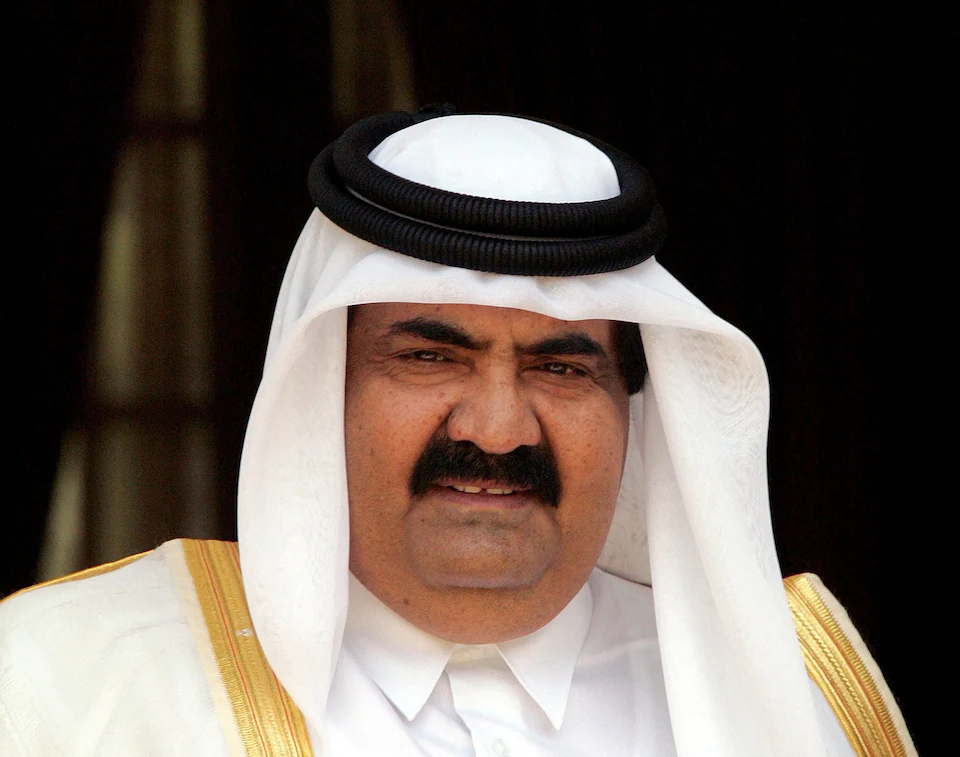
He also founded Al Jazeera, the international news network that gave Qatar a powerful voice in regional and global affairs.
His administration further boosted the country’s international profile by securing the right to host the 2022 FIFA World Cup, leading to major infrastructure development across Doha and other parts of the country.
On the diplomatic front, Sheikh Hamad positioned Qatar as an important mediator in regional conflicts, maintaining relationships with Western powers, neighbouring Gulf states and other regional actors. His foreign policy helped establish the country as a key player in peace negotiations across the Middle East.
His leadership during the 2011 Arab Spring also drew international attention. While Qatar supported several political movements seeking change, the policy created tensions with some Gulf neighbours, particularly Saudi Arabia and the United Arab Emirates.
Born in 1952, Sheikh Hamad was known for pursuing ambitious reforms in governance, education and economic diversification.
Together with his wife, Sheikha Moza bint Nasser, he championed investments in education, scientific research and social development, helping reshape Qatar’s global image.
His legacy is widely associated with turning a relatively small Gulf state into one of the world’s wealthiest nations and an influential player in international diplomacy
FURTHER READING