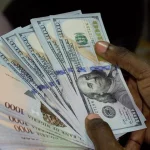
- Local energy stakeholders project that the pump price of Premium Motor Spirit (petrol) could tumble to as low as N900 per litre across domestic retail stations if the anticipated diplomatic truce between the United States and Iran takes full effect.
- Triggered by breakthrough mediation signals in the Middle East, international crude benchmarks recorded a sharp downward correction, plummeting from over $120 per barrel in April down to $87 per barrel.
- While independent petroleum marketers are already slashing their ex-depot rates below the current N1,250 benchmark, insiders at the Dangote Petroleum Refinery hint that a fresh round of pump cuts is likely once expensive crude inventories are exhausted.
Consumers across Nigeria may soon witness substantial economic relief at the fuel pumps following a massive downward correction in global crude oil benchmarks.
Eko Hot Blog reports that the international energy market has experienced a sharp contraction, with crude values tumbling from an April peak of over $120 per barrel down to $87 per barrel.
EDITOR’S PICK
- Hamzat Appoints Obanikoro as Campaign DG Ahead of 2027 Lagos Governorship Race
- Tinubu’s State Police Plan Gains Momentum as Amendment Looms
- Residents Raise Alarm After Two Bodies Found in Lagos Waterway
This rapid decline is linked to progressive breakthroughs in a proposed peace agreement between the United States and Iran, which is expected to prompt the immediate reopening of the strategic Strait of Hormuz.
Local downstream operators note that if these diplomatic resolutions hold, the combination of falling global crude costs and increased maritime logistics freedom will likely push domestic petrol prices down from current highs to an average of N900 per litre.
The direct correlation between Middle Eastern stability and local fuel prices has remained highly visible throughout the year.
Hostilities that erupted on February 28 forced global crude above the $100 threshold for more than three months, subsequently dragging domestic retail petrol from N830 per litre up to a painful peak of N1,300 per litre.
This baseline increase significantly escalated operational overheads for domestic transit cartels and aviation operators alike.
However, the current downward price corrections have triggered anticipation regarding how major local production entities, most notably the Dangote Petroleum Refinery, will alter their bulk supply matrices.
The multi-billion-dollar facility had previously rolled back its gantry benchmark to N1,250 per litre on May 30 when crude dipped below $100, and a further adjustment is expected once the facility processes its remaining high-cost feedstocks.
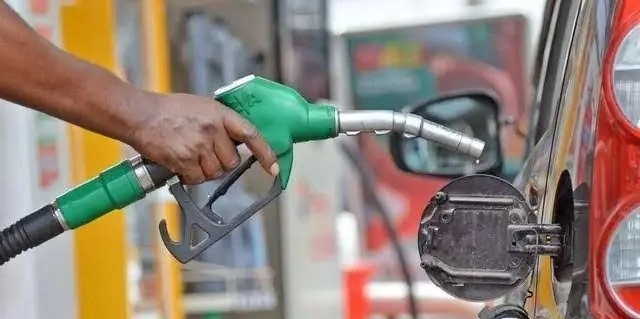
Confirming the viability of a N900 price regime, inside sources within the Dangote refinery noted that while market fundamentals dictate an immediate reduction to mirror the $87 crude reality, the facility must first navigate substantial volumes of expensive raw stock resting in its storage tanks.
Meanwhile, organized independent networks, including the Petroleum Retail Outlet Owners Association of Nigeria, maintain a highly optimistic outlook.
PETROAN National Publicity Secretary Joseph Obele stated that prior to the maritime crisis, petrol hovered around the N800+ bracket, asserting that a complete operational clearance of the Hormuz Strait will inevitably restore that price environment through healthy import competition and domestic refining matching.
The geopolitical shift was amplified by a public brief from US President Donald Trump, who disclosed that a comprehensive, rewritten nuclear containment framework with Tehran was finalized for formal signing.
Trump asserted that the fresh pact provides a definitive blockade against Iranian nuclear weapons development without utilizing structural cash payouts, noting that the immediate post-signing protocols require the unconditional reopening of the Hormuz corridors to international shipping.
As independent oil marketers rapidly position themselves by cutting ex-depot rates below current benchmarks, the domestic energy sector is bracing for a highly competitive price war that could rapidly drive down the cost of living for everyday citizens.