- The United States is coordinating with a Pakistani delegation in Tehran to facilitate a second round of peace talks, following last weekend’s deadlock in Islamabad.
- Vice President JD Vance has proposed a “grand bargain” to end the six-week war and resolve the decades-old nuclear dispute, though Israel remains firm on total enrichment elimination.
- While the US claims a total naval blockade of Iranian ports, Tehran has threatened to shut down Red Sea trade and sink US vessels if the “policing” of the shipping channel continues.
In a high-stakes diplomatic maneuver aimed at stabilizing the global economy, the White House has expressed renewed optimism regarding a potential peace accord with Iran.
Eko Hot Blog reports that speaking on Thursday morning, April 16, 2026, Press Secretary Karoline Leavitt confirmed that discussions for a second round of negotiations, likely to return to the Pakistani capital, are actively underway.
EDITOR’S PICKS
- JAMB Delists 23 CBT Centres, Warns 89 After Mock UTME Review
- NASA Astronauts Return to Earth After First Human Trip to the Moon in 50 Years
- INEC Shifts Nationwide Voter Revalidation Until After 2027 General Election
The push for a “grand bargain” comes as the global economy teeters on the edge. IMF Chief Kristalina Georgieva warned of “tough times ahead” if oil prices remain inflated by the conflict.
However, the mere prospect of a deal sent Wall Street indices to record highs on Wednesday, while crude prices saw a noticeable dip.
The heart of the conflict remains the Strait of Hormuz, a vital artery for one-fifth of the world’s crude oil. Currently, the US and Israel maintain a stringent naval blockade, with CENTCOM reporting that “zero ships” have broken through their perimeter.
In response, Iranian military officials have escalated their rhetoric. Mohsen Rezaei, a senior military adviser to Supreme Leader Mojtaba Khamenei, warned on state television that Iranian missiles are prepared to sink American ships if the blockade is not lifted.
“We will not allow any exports or imports to continue in the Persian Gulf or the Red Sea,” added military adviser Ali Abdollahi, signaling a potential expansion of the maritime conflict.
The proposed US deal reportedly seeks a 20-year suspension of Iran’s uranium enrichment program, a condition Iran has countered with a five-year proposal.

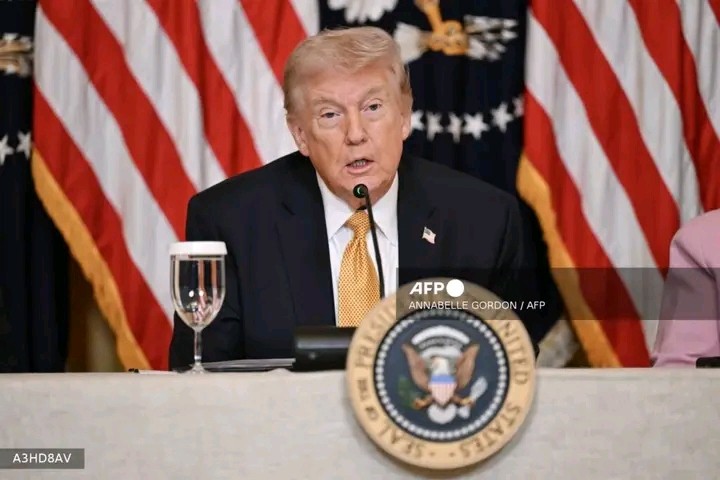
President Donald Trump has remained adamant that any final agreement must permanently prevent Tehran from acquiring an atomic bomb, a goal Prime Minister Benjamin Netanyahu says Israel shares “identically.”
While the diplomatic signals are mixed with Iran insisting its right to enrich is “indisputable” but negotiable in level, the involvement of Pakistan’s Prime Minister Shehbaz Sharif and Army Chief Asim Munir as intermediaries suggests a serious regional effort to avoid a total war.
The optimism in Washington isn’t limited to Iran. The Trump administration is simultaneously pressing for a peace deal between Israel and Lebanon.
While Trump indicated that leaders of those two nations would speak today, Lebanese sources have expressed confusion regarding the scheduled contact.
As the April 8 ceasefire remains fragile, the coming days in Islamabad and Tehran will likely determine if the world sees a de-escalation of the six-week-old war or a catastrophic expansion into the Red Sea.