- United States Central Command (CENTCOM) forces have successfully destroyed two Iranian drones that posed a direct threat to international maritime traffic in the strategic Strait of Hormuz.
- As the regional war reached its 100th day on Sunday, June 7, 2026, military advisers from Tehran stated that negotiations with the Trump administration are trapped in a complete deadlock.
- In a bid to rescue the fragile April 8 ceasefire, Pakistan’s Interior Minister Mohsin Naqvi arrived in Tehran to deliver a critical message regarding the ongoing conflict directly to Iran’s Supreme Leader.
The high-intensity war between the United States and Iran hit its 100th day on Sunday with no visible end in sight, marked by fresh military clashes and desperate diplomatic maneuvers in the Gulf region.
Eko Hot Blog reports that US Central Command (CENTCOM) confirmed that its forces intercepted and shot down a pair of hostile Iranian drones that directly threatened international maritime commerce within the strategic Strait of Hormuz.
EDITOR’S PICK
- Fresh Details Emerge on Death of Odomola Monarch, Oba Adebowale Adeshina
- Sanwo-Olu Applauds LASU’s Academic Excellence After JAMB Ranking
- NRC Moves 176,820 Tonnes Of Cargo Through Lagos Ports In Q1
The maritime interception occurred just hours after American forces launched targeted strikes destroying four other drones and leveling coastal surveillance radar installations operated by Iranian forces.
The fresh flare-up comes on the heels of a massive missile salvo fired by Tehran targeting US allies Bahrain and Kuwait, an offensive that drew furious diplomatic condemnation from the Gulf monarchies and piled severe pressure on the shaky ceasefire originally brokered on April 8.
While Washington boosts its defensive operations in the corridor, a high-stakes diplomatic intervention has commenced, led by Pakistan.
Pakistani Interior Minister Mohsin Naqvi arrived in Tehran over the weekend to deliver a “special letter” from Pakistan’s army chief, Field Marshal Syed Asim Munir, alongside a strategic situational message from the prime minister directed at Iran’s Supreme Leader, Ayatollah Mojtaba Khamenei.
Pakistan has assumed a central mediating role in the conflict following a single round of direct talks hosted in Islamabad.
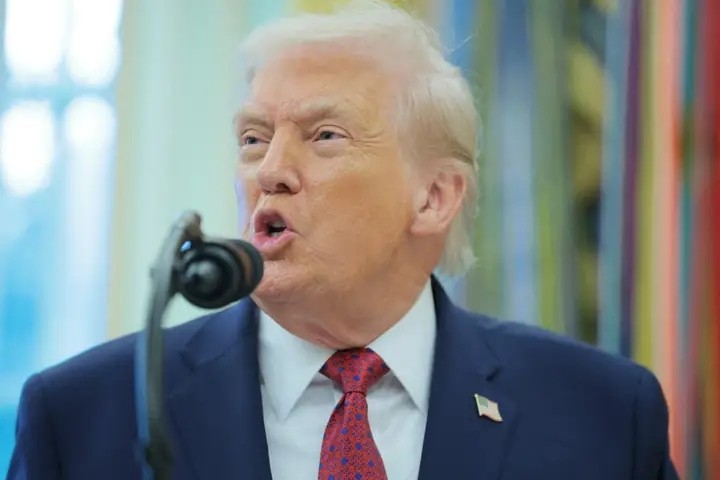
However, the diplomatic track faces severe structural friction. Mohsen Rezaei, a top military adviser to Iran’s Supreme Leader, publicly stated that peace negotiations with the US are at an absolute deadlock.
Rezaei insisted that US President Donald Trump must break the impasse by approving the release of roughly $24 billion in frozen Iranian assets.
Conversely, sources close to US Treasury Secretary Scott Bessent indicate that Washington plans to withhold those funds, intending to redirect the assets to Gulf allies to finance infrastructure repairs and rebuilding from Iranian strikes.
The broader geopolitical theater remains severely complicated by ongoing combat operations along the Lebanese-Israeli border.
Lebanese Army Chief Rodolphe Haykal traveled to Pakistan on Saturday to participate in security consultations, as Beirut continues to seek an end to the destructive warfare between Israel and the Iran-backed militant group Hezbollah.
Lebanon was initially drawn into the trans-border war when Hezbollah launched offensive actions against Israel on March 2, and Tehran has consistently insisted during peace negotiations that the fighting in Lebanon and the wider Gulf theater remain fundamentally linked.
Over the weekend, Lebanese authorities reported that an Israeli strike in the southern sector killed three regular government soldiers, an incident the Israeli military stated it is currently reviewing while insisting its targets are strictly isolated to Hezbollah assets.
Concurrently, an Israeli strike on Saksakiyeh killed two women and wounded 22 civilians, while the Israeli military confirmed the deaths of two of its own soldiers and intercepted multiple projectiles launched from Lebanese territory, completely undermining a new conditional truce proposal that was flatly rejected by Hezbollah leadership.