- India’s Ministry of Electronics and Information Technology has officially requested Meta to pause the global rollout of its upcoming WhatsApp username feature within the country due to severe risks of online fraud, identity theft, and phishing.
- WhatsApp intended the unique alphanumeric usernames to improve user privacy by removing the explicit need to share personal phone numbers, but Indian regulators argue the feature will create a massive vulnerability for technologically unaware users.
- Cybercrime has surged exponentially across India, with total annual losses to online fraud hitting nearly $3 billion in 2025, which represents an approximate forty-fold increase over a four-year period.
The proposed WhatsApp username feature, designed by Meta to boost privacy by hiding phone numbers, has hit a major regulatory roadblock in India.
Eko Hot Blog reports that the tech giant’s biggest global market, with over 500 million active users, has explicitly asked to freeze the rollout.
EDITOR’S PICK
- Hamzat Appoints Obanikoro as Campaign DG Ahead of 2027 Lagos Governorship Race
- Tinubu’s State Police Plan Gains Momentum as Amendment Looms
- Residents Raise Alarm After Two Bodies Found in Lagos Waterway
Indian authorities argue that the shield of anonymity will act as a major accelerator for identity theft, phishing, and complex cyber fraud.
This intervention by India’s Ministry of Electronics and Information Technology stems from a severe spike in domestic digital crime. Rapid internet adoption across rural and urban centers has vastly outpaced public digital safety literacy.
The scale of the problem is reflected in state financial data, which shows that Indian citizens lost roughly $3 billion to online scams in 2025.
Regulators fear that allowing alphanumeric identifiers will make it incredibly simple for bad actors to impersonate government agencies, banks, or relatives, leaving millions of vulnerable internet users unable to distinguish a verified entity from a malicious impersonator.
Meta has moved to de-escalate the friction, confirming that the username feature is temporarily withheld from the Indian market while discussions continue.
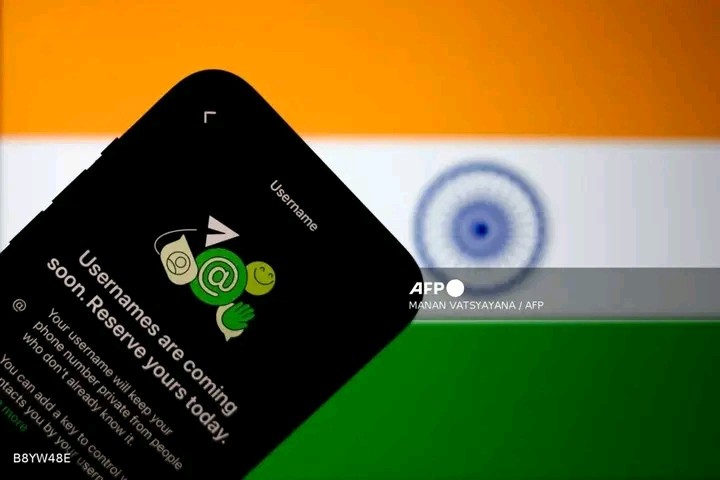
To address identity theft concerns, the parent firm noted that high-profile handles, corporate accounts, and public figures have already been securely reserved.
Meta also stressed that the application will still mandate a linked phone number during account creation to maintain verification data and prevent unchecked, anonymous automated sign-ups.
The standoff comes right after Meta appointed prominent fintech executive Kunal Shah to lead WhatsApp’s operations in India.
Navigating this bureaucratic resistance will be his immediate challenge, as the resolution of this dispute will likely set a global precedent for how big tech balances consumer privacy features against national security and anti-fraud protocols.