- Infantino accused World Cup critics of spreading false information
- He said the tournament was safe and united people through football
- FIFA defended its handling of visas, security and disciplinary decisions
FIFA President Gianni Infantino has defended the organisation’s handling of the 2026 FIFA World Cup, accusing critics of spreading misinformation and overlooking what he described as a successful and peaceful tournament.
In an open letter published on Monday through FIFA’s official platforms and his Instagram page, Eko Hot Blog reports that Infantino responded to criticism surrounding the competition, insisting that the tournament was marked by safety, unity and celebration rather than the problems highlighted by detractors.
EDITOR’S PICK
- Tinubu Approves Army Expansion, Recruitment of 28,000 Personnel
- Aregbesola Claims Record as First Nigerian Governor to Serve Eight Years Without Owning a House
- Ikosi-Ejinrin LCDA Commissions Fully Equipped NSCDC Divisional Headquarters, Donates Patrol Vehicle and Motorcycle to Boost Security
He argued that while critics focused on negative narratives, FIFA was working to deliver what he called “the best show in the world.”
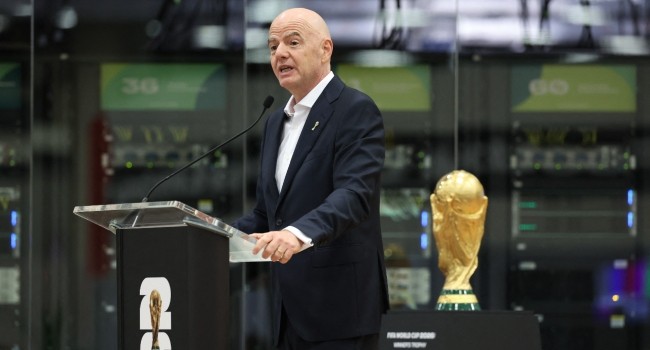
According to him, the tournament recorded no major security incidents or violence, adding that millions of fans enjoyed the event in a peaceful atmosphere.
Infantino also criticised those who questioned FIFA’s organisation of the competition, urging them to reflect on the positive impact of football instead of dwelling on what he described as false reports and unnecessary negativity.
Ahead of the tournament, concerns had been raised over high ticket prices, visa restrictions, political tensions and extreme summer temperatures across the United States, Canada and Mexico, the three host nations.
Additional attention focused on the participation of countries facing international crises, including Iran, Haiti and the Democratic Republic of Congo, amid debates over travel restrictions and health concerns.
One of the notable incidents involved Somali referee Omar Artan, who was reportedly denied entry into the United States under the country’s immigration policies.
Despite those concerns, Infantino maintained that FIFA successfully ensured participation for teams and delegates from around the world.
He pointed to Iran’s participation as evidence that football could bridge political divides, saying the country’s delegation entered the United States without disruption because the sport promotes peace rather than politics.
Infantino also noted that countries experiencing health or security challenges were granted entry, arguing that attention had been unfairly placed on a small number of visa denials instead of the millions of successful approvals.
His comments, however, contrasted with remarks made by Iran head coach Amir Ghalenoei, who described his team as the most disadvantaged side at the tournament.
Iranian striker Mehdi Taremi also criticised the team’s experience, calling its treatment during the competition a “disaster.”
Infantino further defended FIFA against criticism over officiating decisions, including controversy surrounding the suspension of United States forward Folarin Balogun.
The incident drew widespread debate after it emerged that U.S. President Donald Trump had asked FIFA to review Balogun’s one-match suspension, allowing the striker to feature in the knockout-stage match against Belgium.
The decision attracted criticism from UEFA, which described the move as unprecedented and inappropriate.
Responding to the backlash, Infantino said controversial refereeing and disciplinary decisions are common in football competitions around the world.
He argued that similar rulings regularly occur in major domestic leagues and questioned why some football authorities were condemning FIFA over decisions they routinely accept in their own competitions.
FURTHER READING