Derived from the Yoruba expression “Ka jẹ, Ka yọ,” meaning “Come and Eat, Come and Be Happy,” the festival reflects the warmth, hospitality and unity that have become synonymous with the people of Epe. Every year, indigenes, residents and visitors return to the ancient town to celebrate not only a historic event but also the values that continue to shape the identity of the kingdom.
The Kayokayo Festival traces its origin to the arrival of King Kosoko and his loyal followers in Epe after leaving Lagos in the 19th century. They were warmly welcomed by the people of Epe, who offered them food, shelter and acceptance.
That act of kindness became the foundation of the Kayokayo Festival, transforming a historic migration into an annual celebration of gratitude, unity and peaceful coexistence.
Today, the festival serves as a reminder of the resilience of the people of Epe and the importance of preserving the kingdom’s rich cultural heritage for future generations.
One of the most cherished traditions of the Kayokayo Festival is the lighting of the Etufu, a symbolic ceremony that attracts hundreds of residents and visitors to the Epe Marina Waterfront.
The Etufu, a giant ceremonial torch, holds deep historical significance in the Kayokayo Festival. According to Epe tradition, it represents the light that was lit at the Marina Waterfront to guide King Kosoko and his followers as they arrived in Epe during their historic migration from Lagos in the 19th century.
Today, the annual lighting of the Etufu serves as a symbolic reenactment of that historic welcome, celebrating hope, hospitality, safe passage, and the enduring bond between King Kosoko’s descendants and the people of Epe Kingdom.
Beyond its cultural significance, the ceremony serves as a moment of reflection, thanksgiving and prayers for peace, prosperity and continued development across Epe Kingdom.
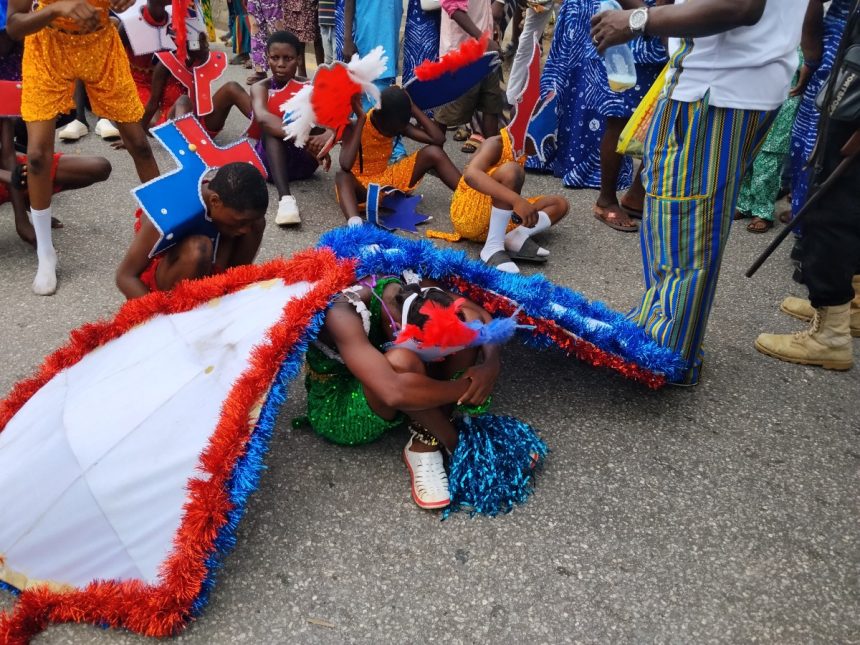
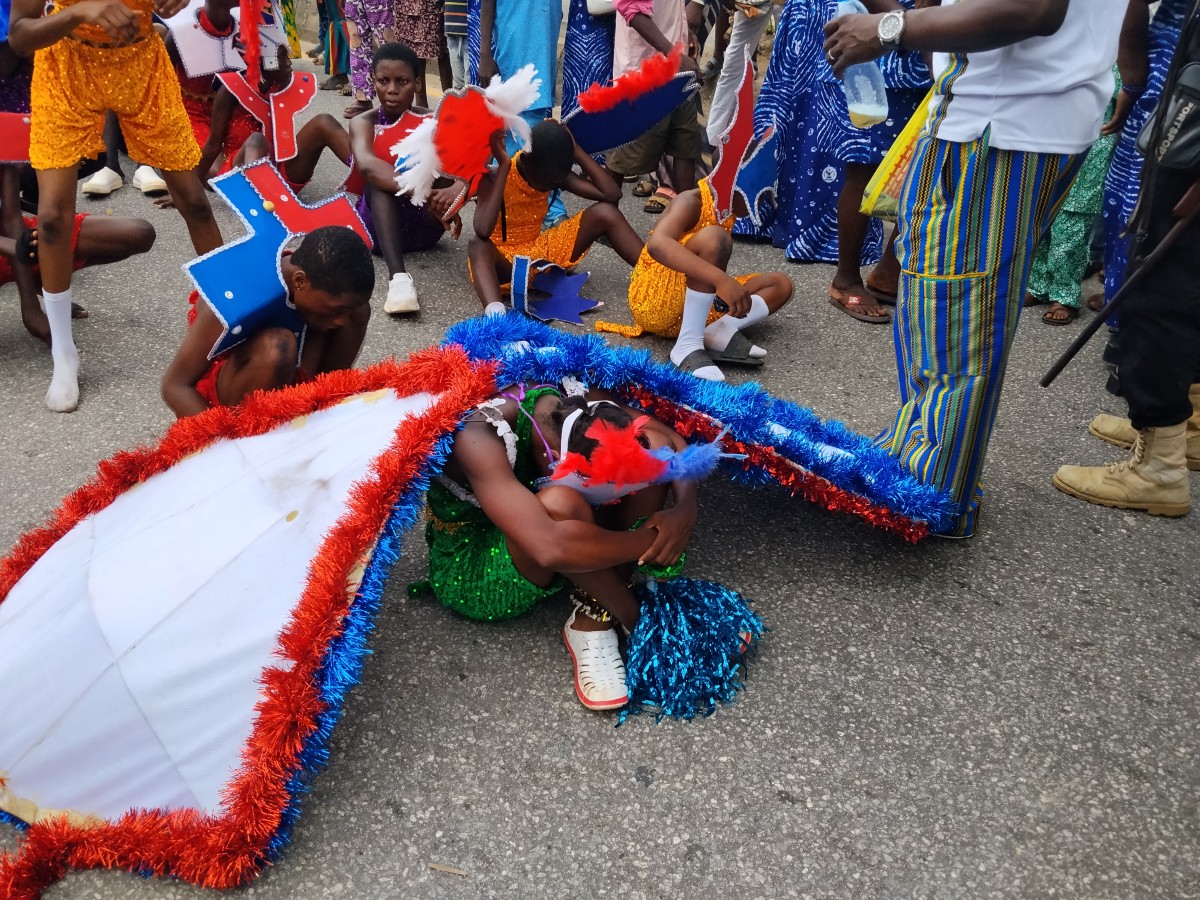
The Fanti Carnival in kayokayo festival remains one of the most anticipated highlights of the festival.
During the 175th edition, the streets of Epe came alive as participants from Bado Isale, Bado Oke, Oke Posun-Lagbade, Oke Balogun, Isale Agoro, Oke Oba–Popo Oba and the Royal Waterfront displayed magnificent costumes, traditional attire and energetic dance performances.
The carnival, which began from Oke Balogun Central Mosque and ended at the Epe Marina Waterfront, featured a street dance competition judged on creativity, cultural representation, coordination and overall comportment.
At the end of the competition, Bado Isale emerged as the overall winner, earning applause for an outstanding performance that reflected the rich cultural identity of Epe Kingdom.
The Kayokayo Festival has evolved beyond cultural celebrations into a platform for community development.
At the grand finale of the 175th edition, the Kayokayo Festival Planning Committee presented ₦200,000 scholarships each to six outstanding indigenous students selected from Oke Balogun, Oke Oba–Popo Oba, Oke Posun-Lagbade, Bado Oke, Bado Isale and Isale Agoro.
The initiative underscored the committee’s commitment to investing in education and empowering young people to become future leaders of Epe Kingdom.
The festival also celebrated excellence in Islamic education, with the Kosoko Family and the Aborishade Family presenting prizes to winners of the Qur’anic competition, while the champions of the Fanti Carnival were also rewarded for their exceptional performances.
The grand finale attracted distinguished personalities, including traditional rulers, political office holders, religious leaders and community stakeholders.
In their goodwill messages, Prince Abiola Kosoko encouraged the people of Epe to remain united and continue preserving the customs and traditions that distinguish the kingdom, while embracing education and development as foundations for a brighter future.
Similarly, Hon. Wale Raji, Member representing Epe Federal Constituency, and Hon. Abiodun Tobun, Member representing Epe Constituency I in the Lagos State House of Assembly, reaffirmed their commitment to the welfare and development of the people of Epe through continued support for education, infrastructure, youth empowerment and community development.
The Kayokayo Festival has become a major driver of tourism and economic activity in Epe. Hotels, transport operators, traders, artisans and small businesses experience increased patronage as thousands of visitors converge on the town for the annual celebration.
Beyond its economic benefits, the festival strengthens family ties, promotes peaceful coexistence and creates opportunities for younger generations to learn about the history and traditions of their ancestors.
As Epe Kingdom celebrates 175 years of Faith, Heritage, Unity and Prosperity, the Kayokayo Festival continues to prove that culture is more than entertainment—it is a powerful force for preserving history, promoting development and strengthening the bonds that unite a people.
From the symbolic lighting of the Etufu to the colourful Fanti Carnival, educational scholarships and Qur’anic competitions, Kayokayo remains the festival that truly defines the spirit of Epe Kingdom, ensuring that its rich legacy continues to inspire generations to come.
FURTHER READING