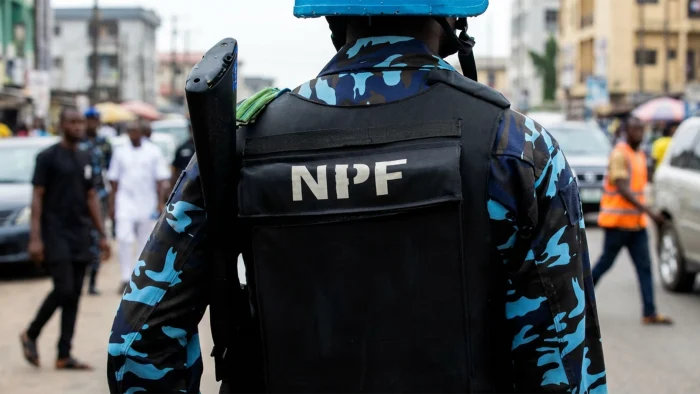
- Inside Niger’s Disturbing Incest Case: Teen Gives Birth, Grandfather Denies DNA Result
- Mohammed said the girl alleged that her grandfather repeatedly lured her into his room under different pretexts, including giving her money to buy food
- Legal experts say the case could have far-reaching implications
A deeply troubling case in Niger State has drawn widespread concern after a 16-year-old girl in Lufari, Mariga Local Government Area was discovered to be about six months pregnant before authorities were alerted.
Eko Hot Blog reports that the case, which involves allegations of incest, is now under investigation, with the prime suspect, Musa Gado, a 64-year-old grandfather, currently in custody at the State Criminal Investigation Department (SCID).
EDITOR’S PICK
- EFCC Warns Nigerians Over Fake Officers, Illegal Sting Operations
- COVID-19 Alert in Calabar as Chinese National Undergoes Isolation
- Invest in Lagos, Sanwo-Olu Tells Commonwealth at London Summit
According to the Director General of the Niger State Child Rights Agency, Ulmulkatum Mohammed, the matter was formally reported on October 5, 2025, by the girl’s father alongside a community leader. She explained that what initially appeared to be a private family issue quickly escalated into a serious criminal case.
The teenager was immediately taken into protective custody. By December 2025, she gave birth to a baby boy through a cesarean section after being unable to deliver naturally.
Relaying the victim’s account, Mohammed said the girl alleged that her grandfather repeatedly lured her into his room under different pretexts, including giving her money to buy food. The incidents, she said, occurred multiple times, though the exact number could not be determined.
Authorities also revealed that after the pregnancy became known, there were attempts to terminate it. The girl was reportedly taken to a clinic in Konan Mariga, where she received medication and injections, but the effort failed.
The situation became more complicated following allegations that the victim was pressured and beaten in an attempt to force her to change her statement and shift responsibility away from the suspect. This development, according to officials, contributed to the decision by her father to escalate the matter to authorities.
A DNA test later conducted in Gwagwalada reportedly established a 99.99 per cent probability of paternity.
The test, said to have been funded by the suspect at a cost of ₦500,000, was opened in the presence of both parties. However, Musa Gado has rejected the result and is preparing to challenge it in court.

Mohammed added that the suspect initially admitted to the allegations during questioning but later withdrew his statement.
Beyond the legal battle, the emotional and psychological toll on the teenager has been significant. The agency confirmed that she began experiencing psychological distress after delivery and is currently receiving care and support.
Legal experts say the case could have far-reaching implications. Bolanle Jibogun, State Coordinator of the Legal Aid Council and Chairperson of the International Federation of Women Lawyers (FIDA), described the allegations as grave, noting that the DNA result strengthens the case and that due process must take its course.
Scholars and advocates have also weighed in, pointing to a broader pattern of abuse within family structures. Dr. Hope Ajayi of Newgate University said cases like this highlight power imbalances where consent cannot exist, warning of long-term psychological consequences for victims.
Civil society organisations say the incident reflects a recurring challenge in Nigeria, where many cases of sexual abuse occur within homes and often go unreported until pregnancy or severe harm forces disclosure. They also note that stigma, fear, and family pressure continue to silence victims.
While investigations are ongoing and no formal charges have yet been filed, authorities insist that their focus remains on protecting the child and ensuring justice is served, despite reported pressure surrounding the case.
For many observers, the case goes beyond the courtroom. It raises difficult questions about child protection systems, community silence, and the long-term impact on victims whose lives are permanently altered.