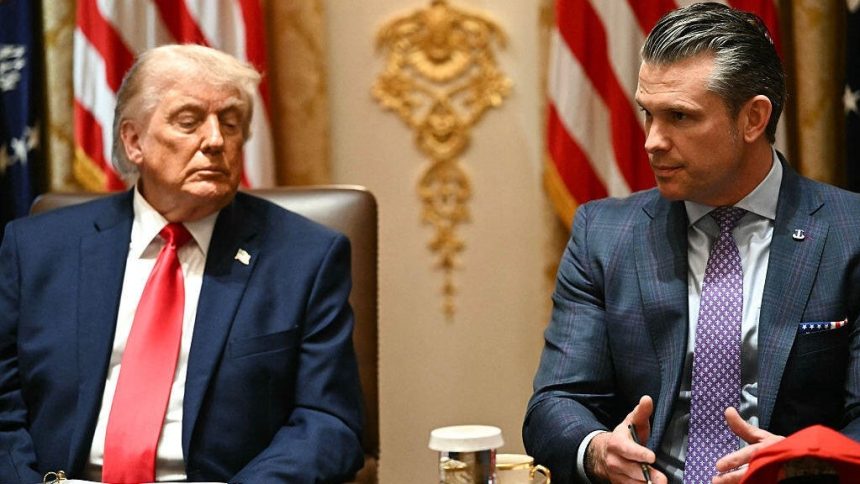
- The White House is requesting $87.6 billion in emergency supplemental funding, with $67 billion directed to the Pentagon to sustain operational costs, purchase munitions, and cover classified military programs linked to the conflict with Iran.
- The multi-billion-dollar request is facing an uphill legislative battle on Capitol Hill, drawing sharp condemnation from Senate Democrats who oppose the unpopular conflict and triggering intense pressure on vulnerable Republicans ahead of the November midterm elections.
- In a strategic bid to win broader bipartisan support, the comprehensive spending bill packages the controversial defense funds alongside $11.1 billion in direct aid for American farmers, $1.4 billion to combat the Ebola outbreak in Central Africa, and a mandate for year-round E15 ethanol fuel sales.
The administration of United States President Donald Trump has officially transmitted an $87.6 billion emergency supplemental funding request to Congress, primarily designed to cover the rapidly mounting military costs associated with the highly controversial war with Iran.
Eko Hot Blog reports that the massive financial package aims to replenish depleted defense stockpiles and manage broader security adjustments across the Middle East, but it has immediately triggered an intense political firestorm on Capitol Hill.
EDITOR’S PICK
- Hamzat Appoints Obanikoro as Campaign DG Ahead of 2027 Lagos Governorship Race
- Tinubu’s State Police Plan Gains Momentum as Amendment Looms
- Residents Raise Alarm After Two Bodies Found in Lagos Waterway
According to official expenditure breakdowns, the vast majority of the emergency request, approximately $67 billion, is allocated directly to the Department of Defense.
This hefty defense chunk includes $21 billion specifically for the accelerated production of advanced munitions, $17.3 billion to maintain active operational costs in the theater of conflict, and $12.1 billion dedicated strictly to classified defense initiatives.
Furthermore, the White House has requested $767.5 million for the Department of Energy to address matters related to Iran’s nuclear capabilities, along with $300 million for the State Department to reinforce embassy security structures and fund emergency construction projects in nations bordering Iran.
The multi-billion-dollar request lands in a deeply fractured Congress where legislative passage is far from guaranteed. Senate Democrats have completely blasted the initiative, framing it as an unnecessary financial bailout for a reckless conflict of choice.
Senate Minority Leader Chuck Schumer released a scathing public statement criticizing the White House’s economic management, stating that after dragging the nation into an unstable conflict, the president now expects Congress to hand over tens of billions of dollars to mask the damage while everyday families continue to struggle with high costs of living.
Senator Patty Murray, the top Democrat on the Senate Appropriations Committee, echoed these concerns, promising a meticulous review but vowing that lawmakers would not simply rubber-stamp massive cash flows for a disastrous war effort.
Concurrently, a growing faction of anti-war and moderate Republicans are breaking ranks with the executive branch as local constituents voice deep concerns over economic affordability heading into the critical November midterm elections.
Just weeks prior to this funding request, eight Republican senators crossed party lines to help push through a sweeping war powers resolution directing the immediate removal of American armed forces from hostilities with Iran unless explicit congressional authorization or a formal declaration of war is granted.
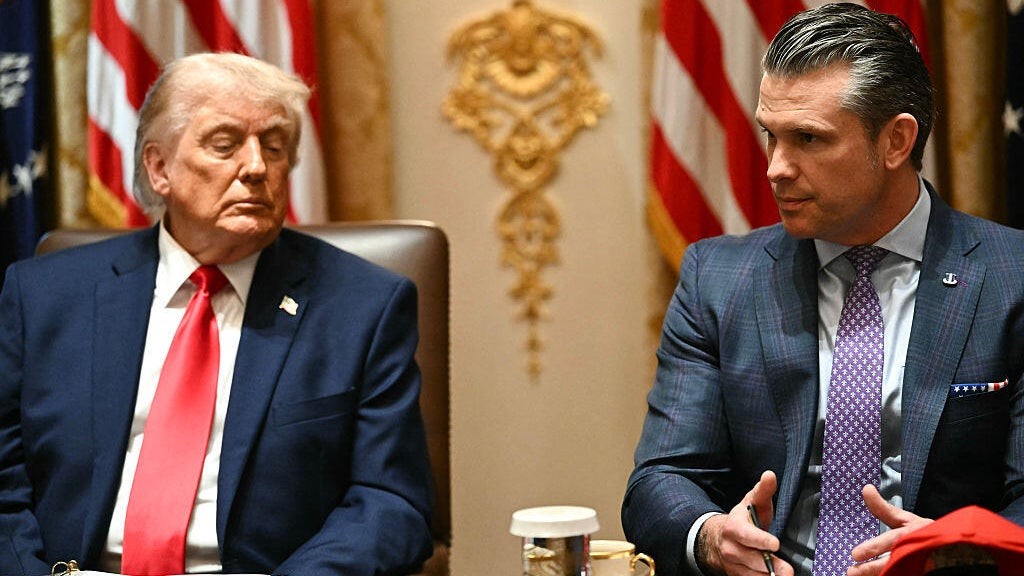
Conversely, staunch defense hawks like Senator Roger Wicker of Mississippi, chairman of the Senate Armed Services Committee, defended the request as absolutely essential to national security, arguing the funds are vital to accelerate the immediate production of hypersonics, strike weapons, and advanced drone technology.
Recognizing the steep political opposition, the Trump administration deliberately bundled the controversial military request with high-priority domestic and international aid sectors to secure broader bipartisan support.
The supplemental bill explicitly includes $11.1 billion in direct financial assistance for American farmers and $1.4 billion to fund aggressive medical intervention programs aimed at curbing the severe Ebola outbreak spreading across Uganda and the Democratic Republic of the Congo.
In an additional bid to alleviate domestic consumer frustrations over inflation, the White House inserted a permanent policy mandate allowing E15 ethanol-gasoline blends to be sold at gas pumps year-round, a regulatory shift the administration claims will expand commercial energy flexibility and provide immediate relief to rising global gas prices.