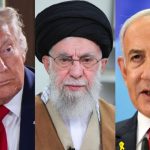
- Iranian Supreme Leader Ayatollah Ali Khamenei, 86, was killed on Saturday during a coordinated military operation by U.S. and Israeli forces.
- President Trump confirmed the death, labeling Khamenei “one of the most evil people in history” and vowing that precision bombing will continue until regional peace is secured.
- Reports of public celebrations have emerged from Tehran, while the IDF confirmed the deaths of seven other high-ranking Iranian officials, including senior adviser Ali Shamkhani.
In a tectonic shift for Middle Eastern geopolitics, Iranian Supreme Leader Ayatollah Ali Khamenei was killed Saturday following a massive joint military operation by the United States and Israel.
Eko Hot Blog reports that the news was confirmed by President Trump, multiple Israeli official sources, and senior U.S. intelligence officials. Khamenei, who had ruled the theocratic regime with an iron fist since 1989, was 86 years old.
EDITOR’S PICK
- 540 Candidates Cleared as Lagos APC Moves to Elect LGA Executives
- Court Sentences Pastor to Death for Killing UniUyo Student
- Lagos Teacher Questions Lack of Recognition for One-Day Governor Mentors
“Khamenei, one of the most evil people in History, is dead,” President Trump posted on social media shortly after the operation.
The President indicated that the U.S. is receiving reports of widespread desertion within the Islamic Revolutionary Guard Corps (IRGC) and other security forces.
Despite the death of the top leader, Trump emphasized that “heavy and pinpoint bombing” would continue for as long as necessary to achieve the administration’s strategic objectives.
Iranian state media, including the state-run IRNA news agency and the IRGC-linked Tasnim agency, eventually confirmed the death, though they offered few details regarding the specific circumstances.
In Israel, Prime Minister Benjamin Netanyahu was reportedly shown photographic evidence of the Supreme Leader’s body.
The Israel Defense Forces (IDF) further disclosed that the strike claimed the lives of several other key figures, including Ali Shamkhani, a long-time top adviser to the Ayatollah.
Khamenei’s reign began in 1979 when he joined the Islamic Revolution, eventually succeeding Ayatollah Ruhollah Khomeini in 1989.
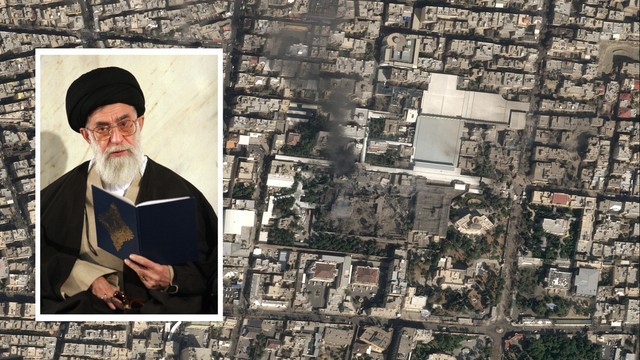
For over three decades, he held ultimate authority over Iran’s executive, legislative, and judicial branches, as well as its military.
His tenure was defined by the ruthless suppression of domestic dissent and a deepening, often violent, antagonism toward the West and Israel.
As news of the strike spread, there were reports in Tehran of scenes of people cheering in the streets, signaling the deep-seated resentment many Iranians felt toward a regime that had overseen decades of economic decline and restricted personal freedoms.
Analysts suggest the lack of a clear successor could plunge the Iranian government into a chaotic power struggle between competing political and military factions.
The strike comes amid a year of escalating tensions.
While the Trump administration had previously sought a deal to limit Iran’s nuclear program, the Supreme Leader had consistently rejected demands to cease uranium enrichment.
“The people that make all the decisions, most of them are gone,” Trump told NBC News, suggesting the strikes targeted the very core of the Iranian leadership structure.