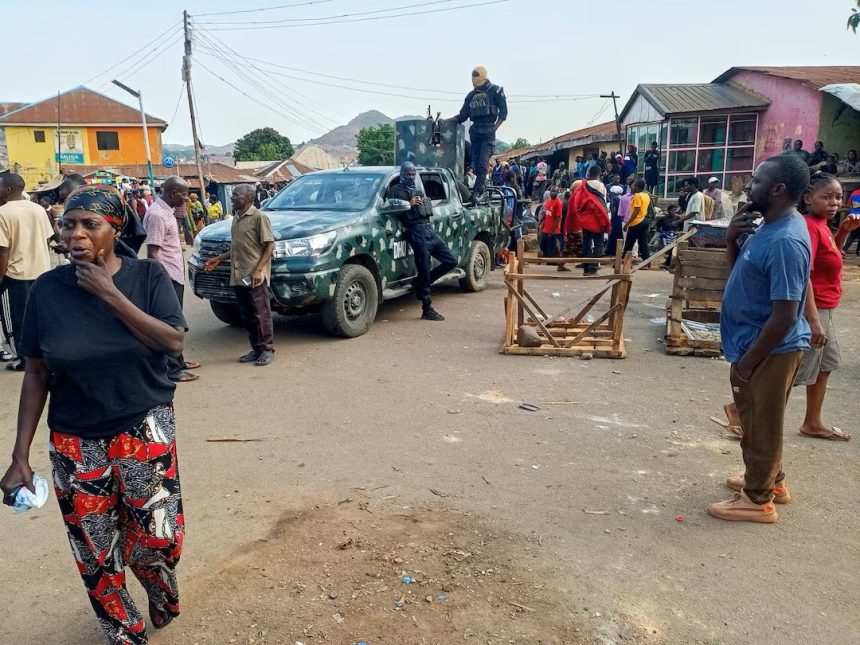
The latest attack on Angwan Rukuba in Jos North has once again exposed the fragile security system in Plateau State, raising urgent questions about how long communities can continue to live under constant threat.
On Sunday night, suspected gunmen stormed the community and opened fire on residents, leaving at least 28 people dead, according to the state government.
Many of the victims were attacked within their homes and surrounding neighbourhoods, with survivors describing a sudden and chaotic assault that left families fleeing for safety.
EDITOR’S PICKS
- Teenagers Attempt Bomb Attack At Maiduguri Teaching Hospital
- APC Elects New National Executives, Full List Emerges
- Why I Resigned As Kano Deputy Governor – Gwarzo
By Monday morning, the grief had turned into anger, residents defied a 48-hour curfew to protest, demanding answers and action over what they described as a pattern of repeated attacks and delayed security response.
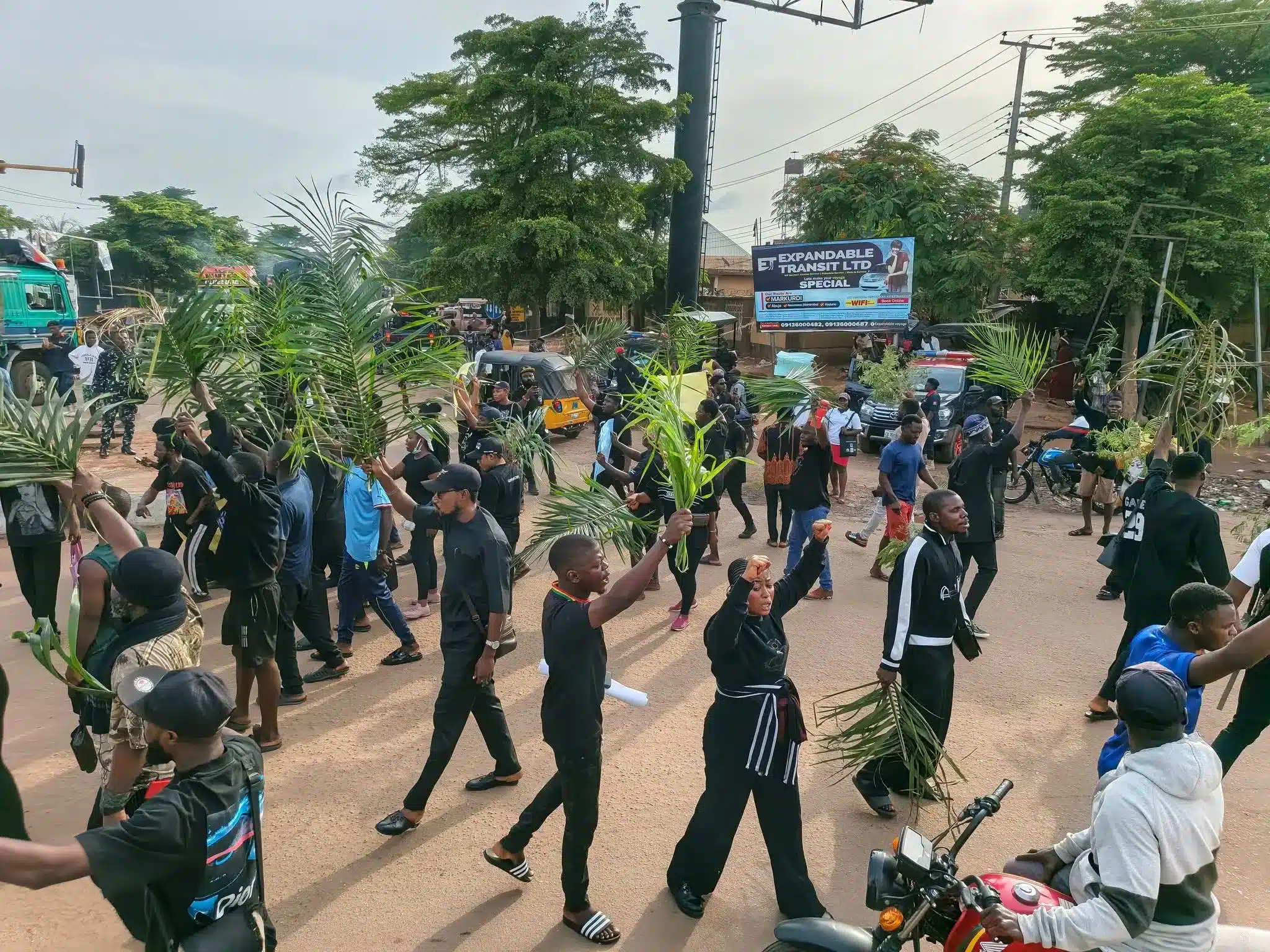
Governor Caleb Mutfwang has condemned the killings and assured that security agencies have been mobilised. But for many residents, the assurances sound familiar. Plateau has heard similar promises before.
This is not an isolated incident. From Jos to Barkin Ladi, Riyom and Bassa, the story has remained the same for years. Attacks happen, lives are lost, statements are issued, and the cycle repeats.
Behind each incident is a deeper failure that goes beyond a single night of violence.
At the centre of the crisis is a critical gap in response time. In many of these attacks, including the latest one, gunmen operate long enough to cause significant damage before security forces arrive. That delay has become one of the deadliest features of the Plateau conflict.
This is where the conversation around state police becomes difficult to ignore.
Supporters argue that a decentralised policing system could significantly change the situation in states like Plateau.
A locally controlled police structure would mean officers are closer to communities, reducing the time it takes to respond when attacks occur. In a setting where minutes can determine survival, that difference is crucial.
There is also the question of intelligence. Many attacks in Plateau do not happen without warning signs.
Local tensions often rise before violence breaks out. A policing system that is rooted within communities, working directly with local leaders and residents, could improve early detection and disrupt attacks before they happen.
Terrain is another factor. Plateau’s violence is deeply local, with attackers often using familiar routes and surrounding areas to escape.
A local police structure, built around officers who understand the environment, would be better positioned to track and respond to such movements.
Beyond prevention, there is the issue of deterrence. The repeated nature of these attacks suggests that perpetrators do not fear consequences.
A stronger and more visible local security presence could change that calculation, making it harder for attackers to operate freely.
However, the solution is not that simple. Plateau’s crisis is rooted in long-standing land disputes, identity tensions, and cycles of retaliation that have developed over decades.
Without addressing these underlying issues, even the most effective policing structure may struggle to deliver lasting peace.
There are also concerns about how state police could be managed.

Without proper safeguards, there is a risk of political interference or misuse, which could deepen divisions instead of resolving them.
Yet, despite these concerns, the current system is clearly not delivering the level of protection that communities need. The events in Angwan Rukuba have once again highlighted the gap between policy and reality, between security presence and actual protection.
For residents of Plateau, this is no longer just a policy debate.
It is a question of survival, it is about whether help can arrive on time, whether attacks can be prevented, and whether justice can be delivered.
As the state mourns yet another tragedy, one question continues to linger. How many more lives must be lost before a system that truly works is put in place?
FURTHER READING
- US To Deport 130 Nigerians Convicted Of Crimes
- Nigerian Students, Residents Allege Racial Profiling And Brutality in India
- TJ Abass Leads Tribute to Epe’s Political Martyrs – 11 Years On