- the commissioner described livestock development as one of Nigeria’s most promising sectors for economic expansion
- Kwara State is targeting the production of about 100,000 metric tons of milk within its livestock ecosystem
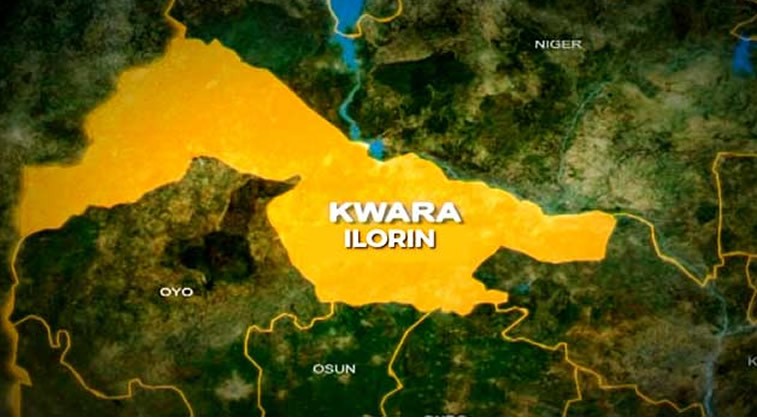
The Kwara State Government has unveiled a major livestock industrialisation plan aimed at turning Nigeria’s animal production sector into a projected $70 billion industry while cutting the country’s dependence on imported dairy products worth over $1.5 billion annually.
Eko Hot Blog reports that the Commissioner for Livestock Development, Oloruntoyosi Thomas, disclosed this during the 2026 Press Week organised by the Nigeria Union of Journalists in Ilorin.
Speaking at the event, the commissioner described livestock development as one of Nigeria’s most promising sectors for economic expansion, employment generation and industrial growth.
She explained that the state government is repositioning the sector from traditional animal rearing to a modern commercial system capable of attracting large-scale investment and boosting productivity.
According to her, the livestock agenda aligns with the agricultural reform policies of Bola Tinubu and the development initiatives of Kwara State Governor AbdulRahman AbdulRazaq.
The commissioner expressed concern over Nigeria’s growing dairy shortage, noting that local milk production currently falls far below national demand.
She said the country produces roughly 600,000 metric tons of milk annually against an estimated demand of 1.7 million metric tons, forcing Nigeria to rely heavily on imports.
To address the gap, Oloruntoyosi said Kwara State is targeting the production of about 100,000 metric tons of milk within its livestock ecosystem, a move projected to inject about $150 million into the state economy.
She added that the state’s Special Agro-Industrial Processing Zone is being developed into a fully equipped agricultural hub designed to support large-scale livestock production and processing.
According to her, the facility will include infrastructure such as roads, electricity, water supply, cold rooms, abattoirs, veterinary clinics and quarantine centres to support industrial livestock operations.
The commissioner also highlighted opportunities in dairy value addition, including the production of butter, cheese, yoghurt, powdered milk and ice cream.
She noted that Nigeria spent about $310 million on butter imports in 2023 and said capturing just a fraction of that market could significantly benefit Kwara’s economy.
Oloruntoyosi further revealed that major dairy firms, including Danone, Fan Milk and FrieslandCampina, already have milk collection networks capable of absorbing increased local production.
She also pointed to opportunities in meat processing, saying Nigeria’s importation of processed meat products such as sausages creates investment opportunities for local producers.
The commissioner encouraged young people and women to take advantage of government-backed livestock programmes, stressing that modern livestock farming can generate significant income even on a small scale.
She urged livestock producers to register with the ministry and join recognised associations to access government support, training and business opportunities.
Oloruntoyosi also stressed the importance of strategic communication in attracting investors and promoting confidence in the livestock industry.
Earlier, Chairman of the NUJ Correspondents’ Chapel, Biola Azeez, said the Press Week offered journalists an opportunity to reflect on the changing demands of the media profession in the digital era.
Also speaking at the event, Ahmad Muhammad commended journalists for keeping public attention on insecurity in parts of Kwara State, especially reports concerning abducted victims in Kwara North.
A representative of the Amir Companion, Ibrahim AbdulKadir, praised the media for promoting public awareness, peace and democratic values.
The event concluded with calls for stronger collaboration between the government, private investors and the media to unlock the economic potential of Nigeria’s livestock sector.