- Lagos Sets to Harness Nightlife Economy, Targets Safer, Inclusive Zones
- Ojo LG, Badagry monarchs table flood, jobs, tourism demands at budget forum
- The forum is a platform for engaging residents across the state’s five IBILE divisions
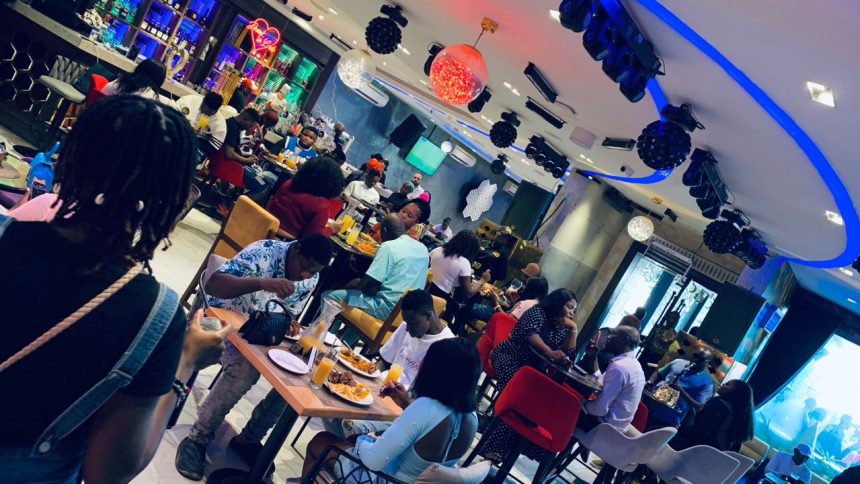
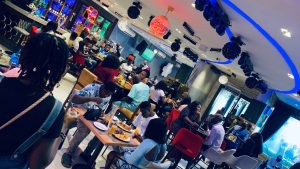
The Lagos State Government has emphasised the need for investments in safe, inclusive, and well-regulated nightlife districts to sustain the city’s emergence as a global nightlife hub.
Eko Hot Blog reports that the call was made by Commissioner for Economic Planning and Budget, Ope George, during his presentation at the 2026 budget consultative forum.
EDITOR’S PICK
- ‘I Won’t Interfere in Fubara’s Governance’ – Wike Vows
- Tinubu to Visit Buhari’s Family in Kaduna, Attend Yari’s Son’s Wedding
- First Lady Gifts N50,000 Each to 500 Women in Enugu
His comments followed Lagos’ recognition by Time Out magazine as the 14th best city in the world for nightlife and second in Africa.
The forum, a platform for engaging residents across the state’s five IBILE divisions; Ikorodu, Badagry, Ikeja, Lagos Island, and Epe kicked off in Ikeja on September 9, 2025, and concluded in Badagry on September 16 at the Aderemi Makanjuola Auditorium, Lagos State University (LASU), Ojo.
George noted Lagos’ ranking reflects both international recognition and strong local approval, with nearly 80 percent of residents backing the city’s nightlife. He warned, however, that Lagos faces stiff competition from African cities such as Cape Town and Marrakech, which are actively strengthening their night economies.
The commissioner stressed that beyond recognition, Lagos must commit to long-term growth by adopting policies that prioritise safety, inclusivity, and regulatory frameworks.
At the forum, Ojo Local Council Chairman, Muhibat Rufai-Adeyemi, urged the government to address critical infrastructural challenges confronting her communities, especially transportation and traffic management.
Rufai-Adeyemi identified two key interventions requiring urgent attention: the clearing and reinforcement of canal passages to curb perennial flooding in Iragbota and adjoining communities.
The Oniworo of Iworo-Awori Kingdom, Oba Oladele Kosoko, also appealed to the state to create jobs by commissioning bush-clearing projects along the Mile 2 axis, which he said could engage between 500 and 1,000 residents productively.
The monarch further called on the government to resume work on the abandoned primary healthcare centre in his community, describing it as a critical need.
Similarly, the Aholu Agano Toniyon I of Ajara Agamethen Kingdom, Badagry, urged the state to strengthen protections for tourism investments within the division.
He also called for renewed efforts to promote Badagry’s true historical narrative, stressing that the city’s cultural identity should not be reduced solely to its transatlantic slave trade legacy.