- Lagos’ Waste Challenge Needs System Overhaul – Gbadegesin
- Says Managing Lagos Waste Is About Building a Circular Economy
- Says Lagos Must Rethink Waste as a Resource, Not Refuse
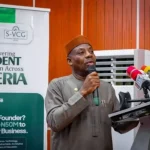
The Managing Director of the Lagos Waste Management Authority, Muyiwa Gbadegesin, has called for a major shift in how waste is managed in Lagos, stressing that it should no longer be seen as mere refuse but as a valuable resource, Eko Hot Blog reports
Speaking at a quarterly forum organised by the Property and Environment Writers of Nigeria (PEWAN), Gbadegesin explained that managing the waste generated by over 22 million residents goes far beyond collection and disposal. According to him, it is about building a modern, efficient system that transforms waste into useful raw materials while creating economic opportunities.
He noted that Lagos must move away from the traditional “collect and dump” approach and embrace a circular economy model where materials are recovered, reused, and reintegrated into production.
“If we continue to manage waste only as something to be collected and dumped, we will keep chasing problems. But if we treat it as a resource, we can reduce pressure on landfills, create jobs, and build a more resilient city,” he said.
Gbadegesin described waste management as a critical part of how a megacity functions, with direct impact on public health, flooding, infrastructure, real estate value, and even investor confidence.
He emphasised that building an effective system would require collaboration across multiple players from government regulators and private sector operators to recyclers, informal waste collectors, and residents themselves.
According to him, one key area Lagos must strengthen is recycling. He explained that for a circular economy to work, there must be strong demand for recovered materials such as plastics, paper, metals, and glass, noting that collection alone does not solve the problem without proper processing and reuse.
He also highlighted the importance of handling different types of waste separately, pointing out that medical, electronic, construction, and household waste all require specialised management due to their unique risks and recovery potential.
Another major concern, he said, is organic waste, which makes up a large portion of what Lagos generates daily. Proper management of organic waste, he noted, can reduce landfill pressure, control environmental hazards, and open up opportunities for composting and other uses.
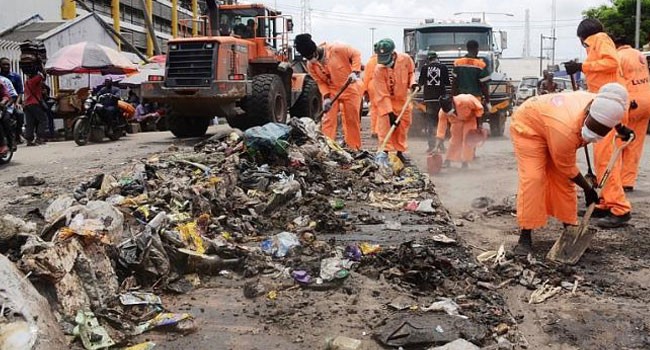
Gbadegesin further called for the integration of informal waste collectors into the system, suggesting that with proper training and structure, they can play a key role in recovering recyclable materials directly from homes and businesses.
He proposed the use of cargo tricycles for last-mile collection in densely populated areas, describing it as a practical way to improve efficiency and reduce contamination of recyclable materials.
To make this work, he said informal collectors must be properly trained, registered, and equipped, with clear operational guidelines covering safety, sorting standards, and accountability.
He also stressed that the success of any waste management system depends heavily on public participation. Residents, businesses, and institutions, he said, must take responsibility for how they generate and dispose of waste.
According to him, a cleaner Lagos is not just about aesthetics, but about building a city that is healthier, more productive, and more attractive for investment.
FURTHER READING
- Police Uncover Shallow Grave in Rivers State Arrest Suspect in Murder Case
- Lagos Unveils Bold Clean Energy Plans, Targets 2GW Solar Capacity
- Nigerian Doctors Powering UK’s NHS, Tinubu Tells King Charles III
Click here to watch video of the week